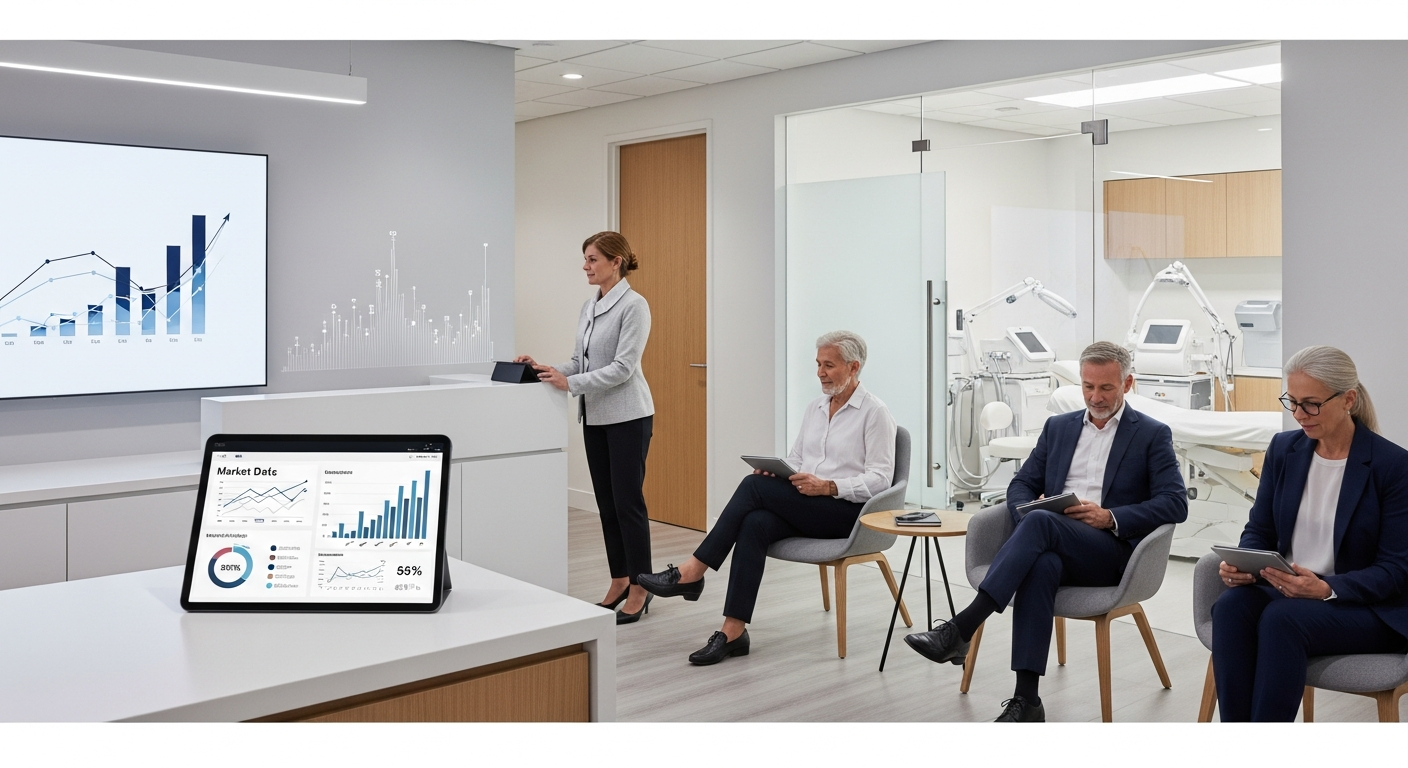
U.S. Med Spa Industry Statistics: 2024 Market Analysis
Current med spa industry statistics indicate the U.S. market is valued at approximately $17.5 billion, characterized by a compound annual growth rate exceeding 10%. This expansion is driven by high demand for minimally invasive aesthetic procedures, including neurotoxins and advanced skin rejuvenation, across diverse demographic segments in all fifty states.
Market Valuation and Economic Growth Projections
The U.S. med spa sector has demonstrated significant resilience and consistent revenue growth over the last decade. Average annual revenue for a single-location med spa currently fluctuates between $1.5 million and $2.5 million depending on regional density.
Industry reports show that approximately 8,800 med spas are currently operating across the United States. This number is projected to increase as private equity investment and clinical consolidation continue to reshape the competitive landscape.
Profit margins in the industry typically range from 20% to 25% for well-managed facilities. Labor costs and medical supplies represent the largest operational expenditures for most domestic practices.
High-Volume Treatment Trends and Clinical Data
Data-driven analysis identifies non-surgical injectables as the primary revenue driver for the majority of U.S. facilities. These treatments provide predictable clinical outcomes and high patient retention rates.
Injectables and Dermal Fillers
- Neurotoxins remain the most requested procedure, accounting for over 35% of total service volume.
- Dermal filler applications have seen a steady 7% year-over-year increase in demand.
- Biostimulatory injectables are emerging as a high-growth sub-category for long-term tissue restoration.
Energy-Based and Body Contouring Procedures
Laser hair removal and intense pulsed light (IPL) therapies continue to maintain high utilization rates. However, non-invasive body contouring has seen the sharpest increase in capital equipment investment.
Clinical data indicates that body contouring procedures now account for roughly 15% of total facility revenue. These services often command higher price points compared to traditional aesthetic maintenance treatments.
Clinical Outcome Analysis and Complication Rates
Maintaining clinical safety is a critical metric for operational stability in the med spa industry. Analysis of adverse events highlights the importance of standardized medical protocols.
Reported complication rates for non-surgical aesthetic procedures remain low, generally staying under 1% for experienced injectors. Vascular occlusions and localized infections are the most tracked clinical risks.
Increased transparency in complication reporting has led to better emergency protocol adoption. Facilities with on-site medical directors report higher rates of successful adverse event resolution.
Regulatory Oversight and Compliance Trends
The regulatory environment for the U.S. med spa industry is currently undergoing a period of increased scrutiny by state medical boards. Compliance requirements vary significantly by state jurisdiction.
Key regulatory trends include stricter definitions of “medical procedures” and more rigorous supervision requirements for mid-level practitioners. Ownership laws, such as the Corporate Practice of Medicine doctrine, remain a primary focus for legal compliance.
State boards are increasingly mandating clear disclosure of provider credentials to ensure patient safety. Regular audits of facility protocols and licensing are becoming standard practice in major metropolitan markets.
Regional Development and Investment Insights
Geographic data shows that California, Texas, and Florida contain the highest concentration of med spas in the United States. These regions benefit from high consumer awareness and favorable climate-related demand.
Investment trends show a shift toward “midsized” markets where competition is lower but disposable income is rising. Investors are prioritizing facilities with high recurring revenue from membership models and subscription-based services.
Operational data suggests that facilities focusing on a specialized service mix achieve faster break-even points than those offering a broad, unspecialized menu. This specialization allows for better inventory management and clinical expertise.
