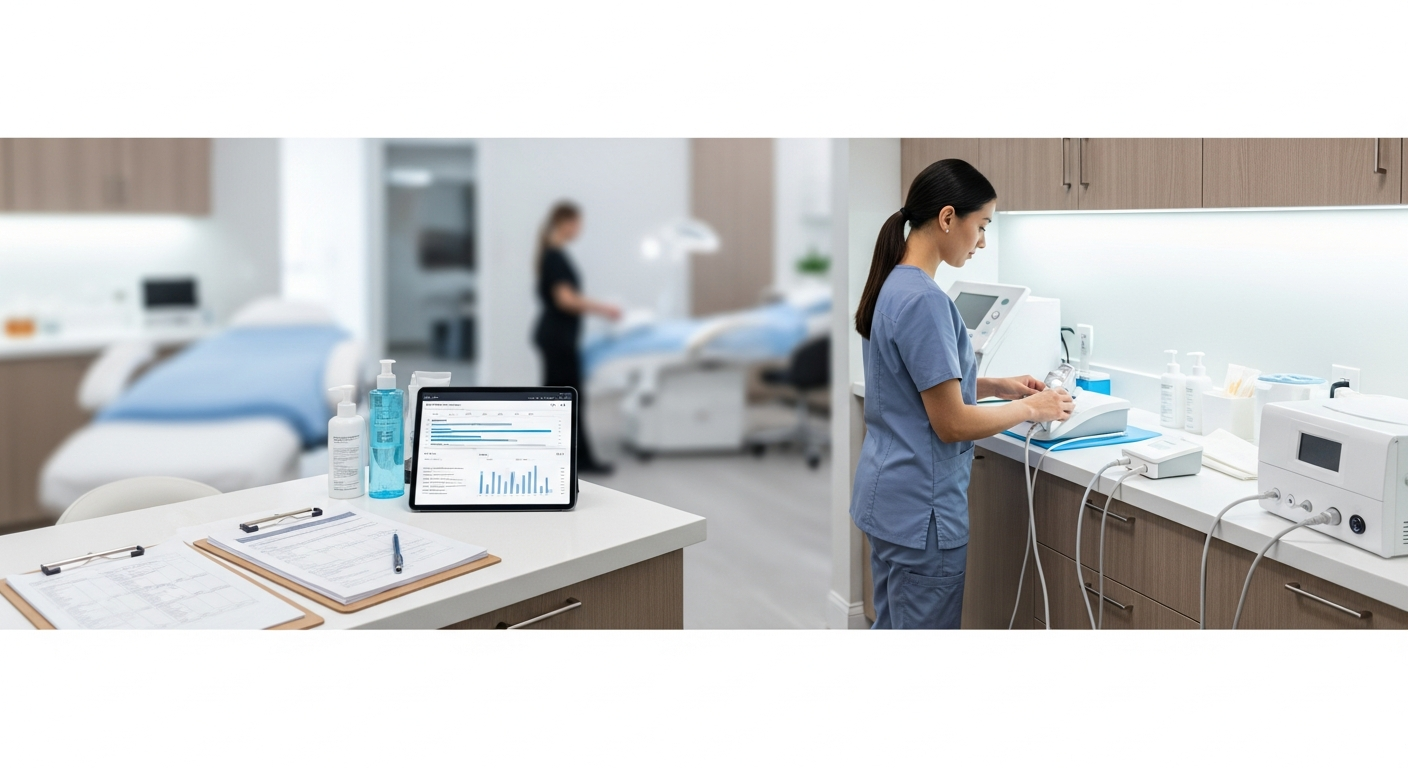
U.S. Med Spa Industry Statistics and Market Insights
The med spa industry statistics for the United States indicate a market valuation exceeding $18 billion, characterized by a compound annual growth rate of nearly 15%. This expansion is driven by increasing consumer accessibility to non-surgical aesthetic procedures, technological advancements in laser therapy, and a growing emphasis on preventative clinical skincare treatments.
U.S. Med Spa Market Size and Economic Impact
Current data suggests the average med spa in the United States generates approximately $1.9 million in annual revenue. This represents a significant increase from previous years as the industry benefits from higher patient retention rates and increased average spend per visit.
The market is increasingly fragmented, with independent clinics making up the majority of the landscape. However, institutional investment is rising, leading to a higher concentration of multi-location brands across major metropolitan areas.
Leading Aesthetic Treatment Trends and Utilization
Neuromodulators remain the primary revenue driver for most facilities, accounting for roughly 25% of all non-invasive procedures. Clinical data shows a consistent year-over-year volume increase for botulinum toxin injections among both female and male demographics.
Dermal fillers and body contouring treatments represent the second and third most utilized categories. Energy-based treatments, including laser hair removal and skin resurfacing, have seen a 12% growth rate as technology improves treatment efficacy and reduces downtime.
Medical-grade chemical peels and microneedling continue to show stable growth. These services often serve as entry points for new patients, facilitating long-term clinical relationships and recurring revenue through maintenance protocols.
Clinical Safety and Complication Rate Analysis
Adverse event reporting indicates that while complications remain below 1% for the majority of non-invasive procedures, clinical vigilance is increasing. Vascular occlusions and skin burns from improperly calibrated lasers are the most cited clinical risks in the industry.
Data suggests a direct correlation between advanced clinical training and lower complication rates. Facilities that prioritize standardized injector training programs report higher patient safety scores and lower professional liability insurance claims.
Patient safety data emphasizes the importance of onsite medical supervision. Clinics operating with a present Medical Director show a statistically significant reduction in treatment-related adverse events compared to those with remote or infrequent oversight.
Regulatory Landscape and Compliance Developments
State medical boards are implementing stricter oversight regarding the “corporate practice of medicine” doctrine. This shift requires med spa owners to ensure clear separation between clinical decision-making and business operations through compliant Management Services Organization (MSO) structures.
Recent regulatory trends show an increase in scope-of-practice audits for mid-level practitioners. Several states are currently reviewing the specific delegation duties of physicians to ensure that non-physician injectors are operating within strictly defined legal boundaries.
Standardized protocols for patient consent and medical history documentation are becoming mandatory focuses for state regulators. These measures aim to standardize the quality of care across the rapidly expanding U.S. med spa landscape.
Market Development and Ownership Trends
The rise of MSOs has facilitated significant private equity entry into the med spa space. This shift toward institutional investment focuses on operational scaling, centralized procurement, and standardized safety protocols across multi-site clinical locations.
Ownership demographics are shifting as more nurse practitioners and physician assistants seek independent clinic ownership. This trend is influencing state-level legislative discussions regarding the autonomy of non-physician medical professionals in the aesthetic field.
Geographic data indicates that while California, Texas, and Florida remain the largest markets, significant growth is occurring in secondary markets. Lower overhead costs and increasing consumer awareness are driving clinic expansion into suburban regions across the Midwest.
