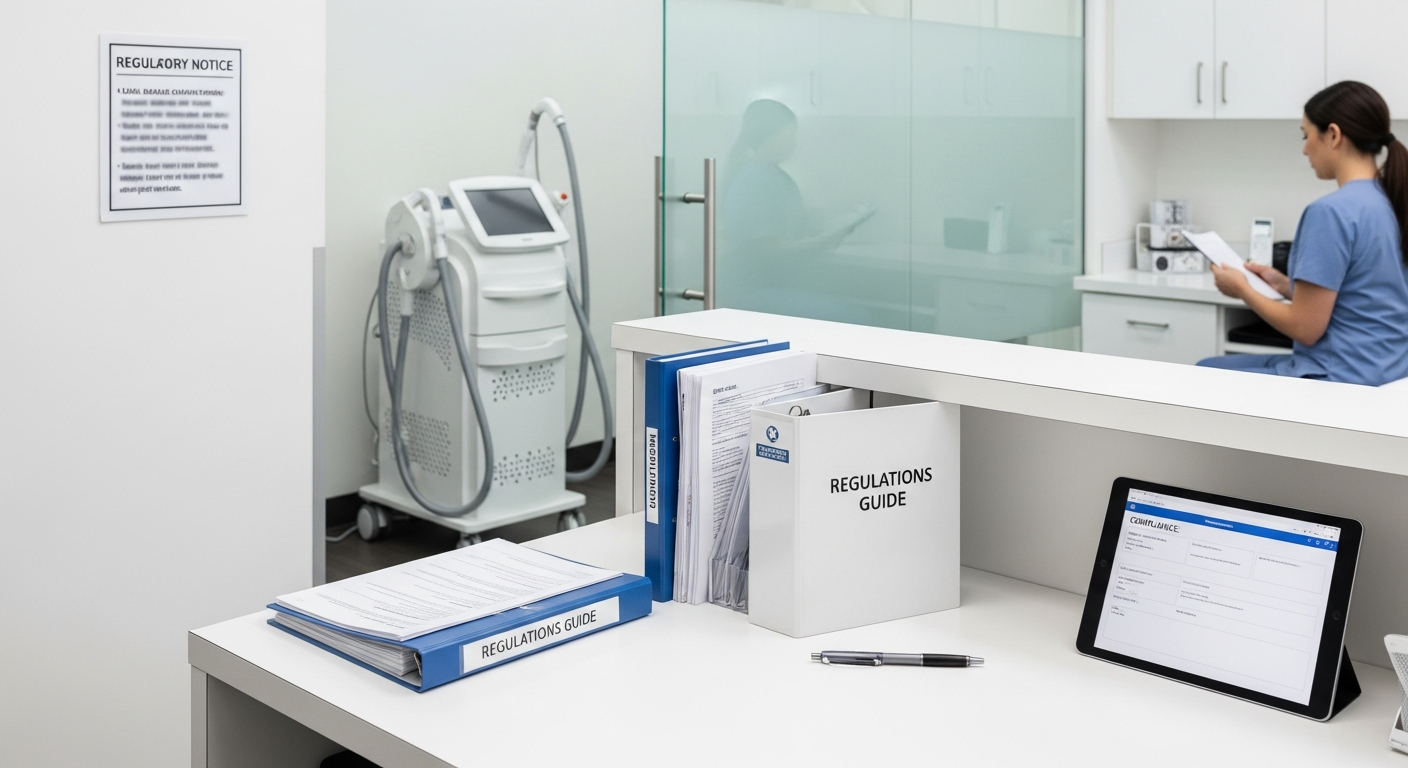
Navigating Med Spa Regulations in the United States
Med spa regulations are state-specific legal frameworks governing the operation of medical aesthetic clinics, focusing on medical oversight, licensing, and professional scope of practice. These regulations ensure that procedures like injectables and laser treatments are performed under the supervision of a licensed physician or medical director to maintain patient safety and clinical standards.
State-Specific Regulatory Frameworks
Every state maintains unique statutes regarding the ownership and operation of medical spas. Most jurisdictions follow the Corporate Practice of Medicine (CPOM) doctrine, which generally prohibits non-physicians from owning a medical practice or employing doctors.
To remain compliant in CPOM states, many owners utilize a Management Services Organization (MSO) model. This structure separates the clinical side, owned by a physician, from the administrative side, managed by the business owner.
Failing to adhere to these ownership structures can lead to charges of practicing medicine without a license. It is critical to consult state board of medicine guidelines to determine the specific requirements for your location.
Licensing and Supervision Requirements
Med spa regulations dictate that medical directors must provide adequate supervision for all clinical staff. The level of required supervision—whether direct, indirect, or general—depends on the state and the specific procedure being performed.
The Role of the Medical Director
A medical director is a licensed physician responsible for the clinical integrity of the med spa. They must develop and approve all medical protocols, ensuring that every treatment meets established safety and efficacy standards.
In some states, the medical director must be physically present on-site during procedures. In others, they may provide remote supervision as long as they are available for immediate consultation and have performed the initial patient exam.
Delegation and Scope of Practice
Practitioners, including nurse practitioners, physician assistants, and registered nurses, must operate strictly within their legal scope of practice. Medical directors may only delegate tasks to individuals who have the appropriate training and licensure.
The “Good Faith Examination” is a vital compliance step where a provider evaluates a patient before any medical treatment. This exam must be performed by a physician or an advanced practice provider before delegating the procedure to an RN or aesthetician.
Inspection Readiness and Compliance Standards
State boards and health departments may conduct unannounced inspections to ensure the facility meets safety standards. Maintaining a high level of inspection readiness is essential for avoiding fines or license suspension.
Inspectors typically review sterilization processes, medication storage, and equipment maintenance logs. They also verify that all professional licenses are current and prominently displayed as required by state law.
Biohazardous waste disposal is another area of intense regulatory focus. Med spas must have documented contracts with licensed medical waste haulers and maintain records of all waste shipments to remain in compliance.
Essential Compliance Documentation
Clear and accurate documentation is the primary defense for a med spa during a regulatory audit or legal challenge. Every patient interaction must be recorded in a secure, HIPAA-compliant electronic medical record (EMR) system.
- Informed Consent: Detailed forms signed by the patient for every specific procedure.
- Standardized Procedures: Written protocols for all medical treatments offered.
- Personnel Files: Documentation of training, certifications, and current licenses for all staff.
- Incident Reports: Records of any adverse events or complications and the corrective actions taken.
Regular internal audits should be performed to ensure that all documentation is complete and consistent. Consistent record-keeping demonstrates a commitment to regulatory compliance and high-quality patient care.
