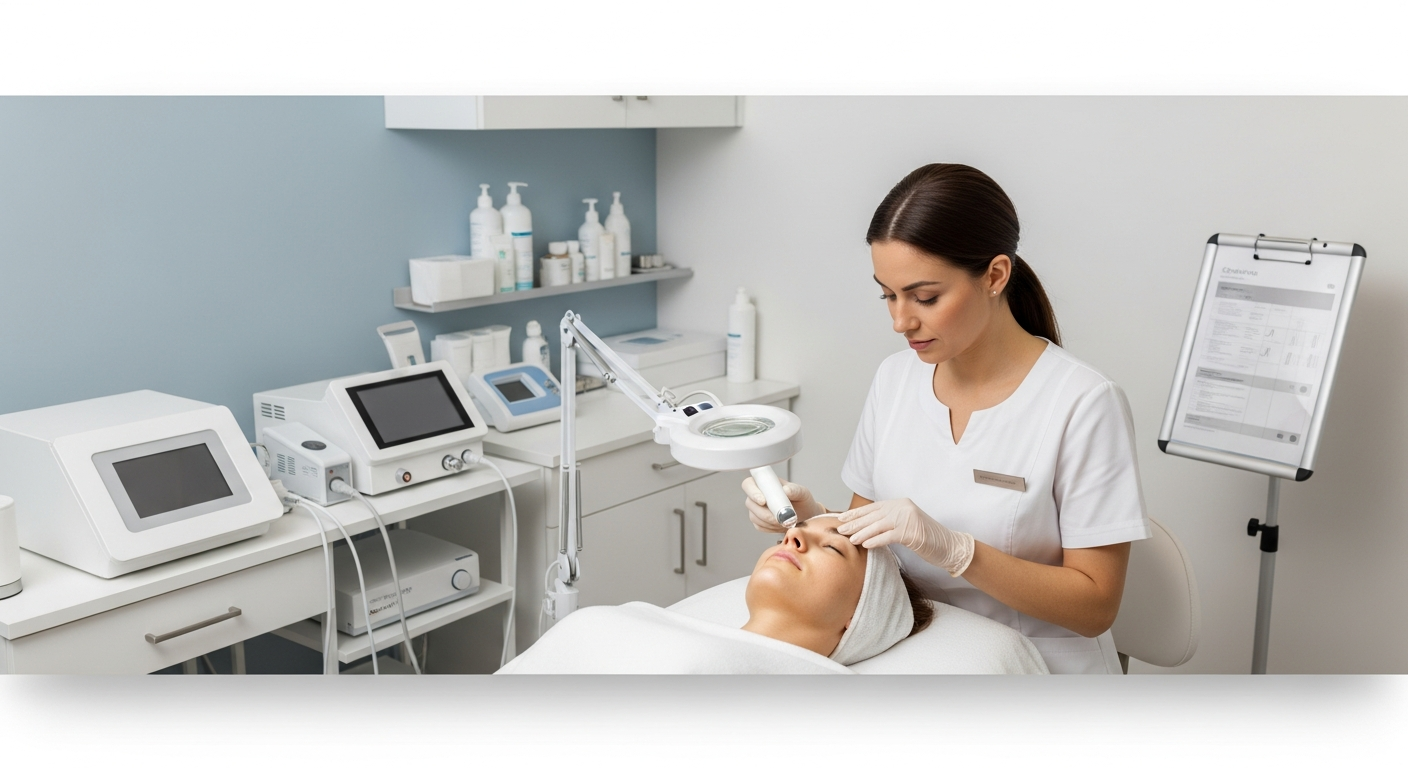
Med Spa Post-Treatment Management Protocols
Post-treatment management in med spa facilities involves implementing standardized clinical protocols to monitor recovery after aesthetic procedures like lasers and microneedling. These systems focus on managing inflammation, reducing erythema, and minimizing downtime through consistent provider workflows. Structured aftercare ensures predictable outcomes and reduces complications across all patient types in a clinical setting.
Standardizing Post-Laser Recovery Workflows
Laser treatments require precise post-procedure care to manage heat-induced inflammation and protect the compromised skin barrier. Med spas must implement specific workflows that prioritize cooling the tissue immediately after the session.
Standardized protocols include the application of occlusive barriers and strict UV avoidance to prevent post-inflammatory hyperpigmentation. Providers should monitor the duration of erythema to ensure the skin is healing within the expected clinical timeline.
Consistent documentation of the skin’s response at 24 and 48 hours allows clinical supervisors to identify outliers in the recovery process. This systemic approach reduces the reliance on individual provider judgment and ensures patient safety.
Managing Microneedling Downtime and Erythema
Microneedling creates thousands of micro-channels that require a controlled environment to heal without infection or irritation. Management systems focus on maintaining a sterile environment and preventing the application of harsh active ingredients.
Clinics should provide patients with specific instructions regarding the 24-hour “no-touch” rule to allow the channels to close. Monitoring for prolonged swelling or atypical redness is a key component of this post-treatment phase.
Effective downtime management involves transitioning the patient from immediate inflammatory response to the proliferative phase of healing. Standardized kits containing simple hydrating agents help maintain protocol compliance among different providers.
Chemical Peel Aftercare Systems
Post-treatment management for chemical peels centers on the controlled shedding of the stratum corneum and the protection of new skin. Protocols must emphasize that patients should never manually remove peeling skin to avoid scarring.
Recovery systems for peels require frequent application of non-irritating emollients to prevent transepidermal water loss. Providers must educate patients on identifying the difference between normal exfoliation and secondary irritation.
Med spa supervisors should establish a clear timeline for when patients can resume their regular skincare routines. Standardizing this timeline ensures that the new skin is not prematurely exposed to acids or retinoids.
Clinical Management of Inflammation
Inflammation is a natural part of the wound-healing cascade but must be kept within therapeutic limits. Protocols often include the use of cold compresses or specialized dressings to modulate the vascular response.
Providers must be trained to recognize the signs of excessive inflammation that may lead to adverse events. Consistent monitoring through follow-up calls or digital check-ins helps maintain clinical oversight during the first 72 hours.
Standardized Recovery Documentation
Every med spa should utilize standardized forms to track the recovery progress of every patient across all treatment modalities. This data helps the clinical team refine energy settings and procedure protocols over time.
- Mandatory follow-up windows for high-energy treatments.
- Standardized photography of erythema levels post-procedure.
- Uniform patient instruction sheets for every treatment category.
By prioritizing protocol consistency over individual provider preference, med spas can achieve a higher standard of care. This structured approach to post-treatment management protects both the patient and the clinical practice.
