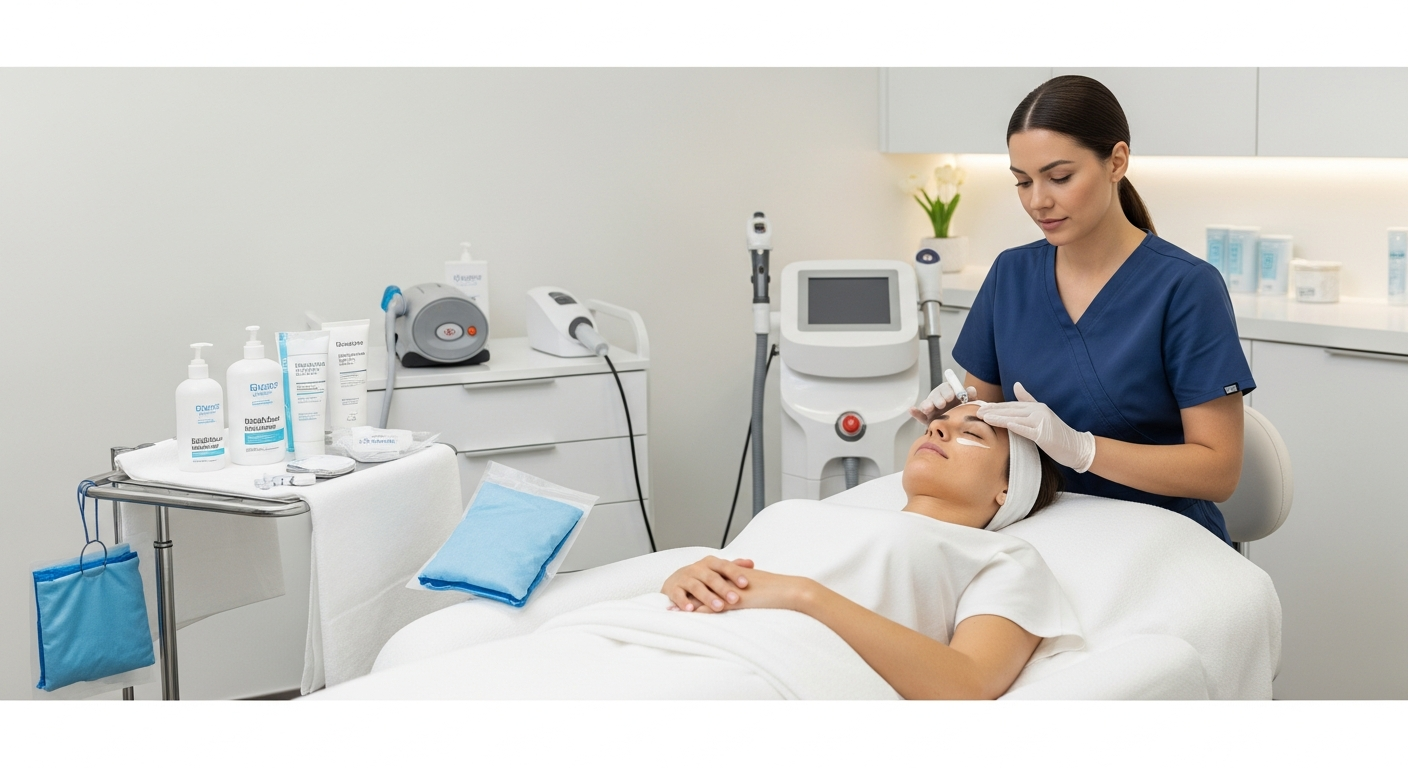
Post-Treatment Management in Med Spa: Standardized Clinical Protocols
Post-treatment management in med spa settings refers to the standardized clinical protocols used to monitor and facilitate skin recovery after aesthetic procedures. These systems prioritize consistent workflows for managing inflammation, erythema, and downtime following laser therapies, microneedling, and chemical peels to ensure patient safety and uniform clinical outcomes across the practice.
Standardizing Post-Laser Recovery Systems
Effective post-treatment management in med spa environments begins with immediate thermal regulation after laser applications. Protocols should mandate specific cooling durations to mitigate residual heat and reduce the risk of thermal injury.
Clinical supervisors must implement standardized timelines for erythema assessment and resolution. This ensures that every practitioner follows a uniform approach to post-laser inflammation rather than relying on subjective clinical judgment.
Managing Post-Laser Erythema
Erythema management involves the application of non-occlusive barriers that allow the skin to breathe while maintaining hydration. Providers must document the intensity and duration of redness to identify deviations from expected recovery paths.
Microneedling Downtime and Barrier Restoration
Microneedling requires a precise post-treatment management strategy focused on protecting open micro-channels. Standardized workflows should prohibit the application of active ingredients for a minimum of 24 to 48 hours.
The primary clinical goal is the restoration of the epidermal barrier through sterile hydration protocols. Consistent application of bland emollients prevents transepidermal water loss and accelerates the healing of the treated area.
Preventing Secondary Complications
Post-treatment management in med spa facilities includes strict instructions on environmental protection. Standardized recovery kits should be provided to ensure patients do not introduce contaminants into the healing skin barrier.
Chemical Peel Aftercare and Desquamation Management
Managing the desquamation process after a chemical peel requires a structured system to prevent premature peeling. Clinical protocols must emphasize gentle cleansing and heavy hydration to protect the emerging skin layers.
Standardized post-treatment management reduces the risk of post-inflammatory hyperpigmentation (PIH). This is achieved through mandatory sun avoidance and specific photoprotection workflows established by the clinical director.
Monitoring Inflammatory Responses
Clinical providers must be trained to distinguish between normal inflammatory responses and adverse reactions. Standardized checklists help staff identify when a patient’s recovery is outside the normal physiological parameters for a specific peel depth.
Establishing Standardized Recovery Workflows
Protocol consistency is the foundation of high-quality post-treatment management in med spa operations. Every procedure must have a corresponding written recovery plan that is distributed to both the provider and the patient.
By removing individual provider judgment from the recovery phase, med spas can ensure a predictable patient experience. This clinical uniformity reduces the frequency of emergency follow-up visits and enhances overall safety.
Documentation and Clinical Follow-Up
A structured follow-up system is essential for monitoring long-term recovery. Med spas should implement automated check-ins at 24-hour, 72-hour, and one-week intervals to track the resolution of common post-procedural side effects.
