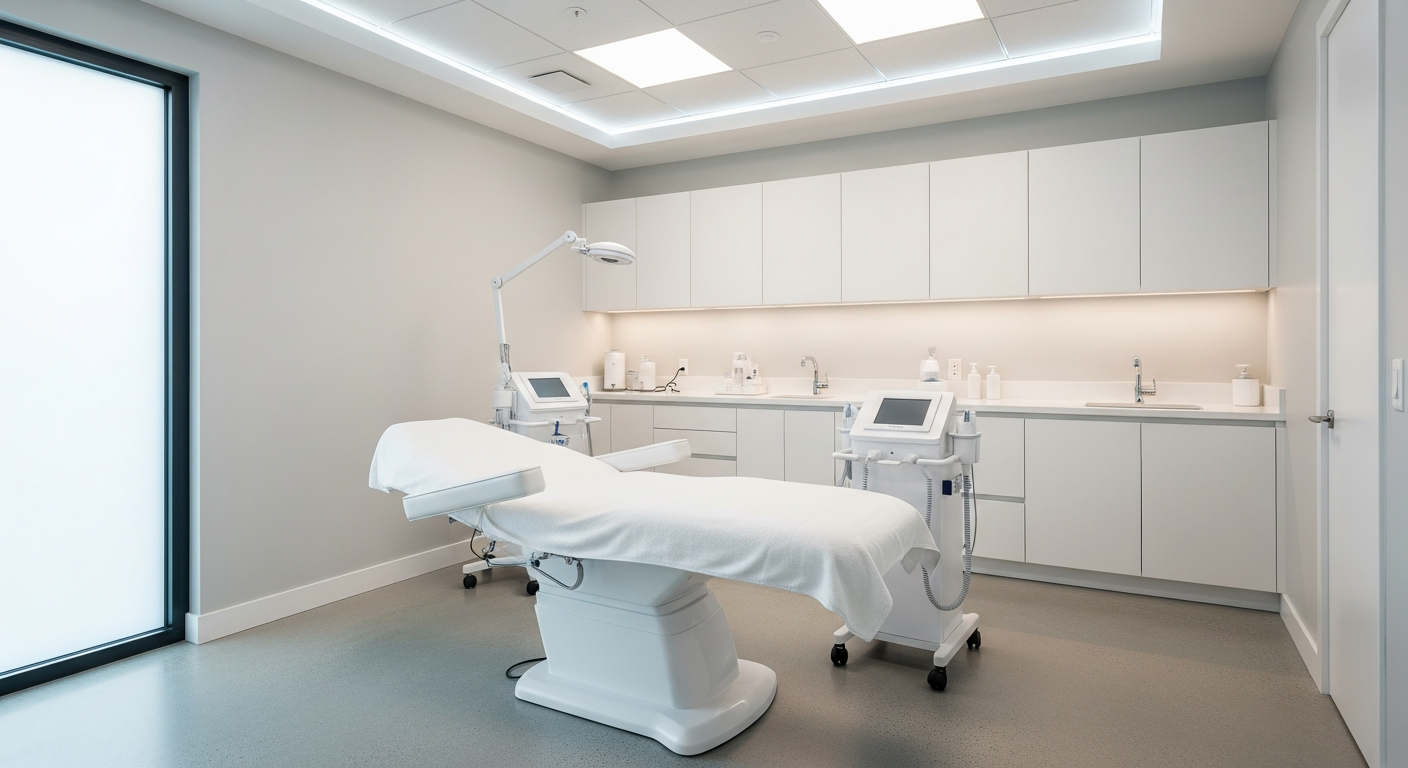
Med Spa Infection Control and Clinical Safety Protocols
Med spa infection control refers to the clinical protocols used to prevent the spread of infectious agents within an aesthetic facility. These standards include rigorous hand hygiene, EPA-registered disinfection of surfaces, and the sterilization of reusable instruments. Consistent application of these systems ensures compliance with OSHA regulations and protects both practitioners and clients.
OSHA-Aligned Sanitation Practices
Maintaining a compliant med spa requires strict adherence to sanitation standards set by federal and state regulatory bodies. This involves the systematic cleaning of all non-porous surfaces and the management of regulated waste.
Hand Hygiene Requirements
Clinicians must perform hand hygiene before and after every client contact and after removing gloves. Use antimicrobial soap and water or high-alcohol content sanitizers when hands are not visibly soiled.
EPA-Registered Disinfectants
All environmental surfaces must be treated with EPA-registered, hospital-grade disinfectants. These solutions must remain on surfaces for the full contact time specified by the manufacturer to ensure efficacy.
Sterilization Standards for Aesthetic Tools
Any instrument that penetrates the skin or contacts mucosal membranes requires the highest level of decontamination. Med spas must distinguish between disposable items and those requiring medical-grade sterilization.
- Autoclave Verification: Use steam sterilization for all heat-stable reusable tools, verified by weekly biological monitoring.
- Chemical Indicators: Place internal and external indicators on every sterilization pouch to confirm heat and pressure exposure.
- Single-Use Items: Dispose of needles, lancets, and wooden applicators immediately after use in approved sharps containers.
Treatment Room Disinfection Systems
A systematic approach to room turnover prevents the accumulation of pathogens between appointments. This process must be documented and followed by all clinical staff members.
Pre-Treatment Preparation
Clean all high-touch surfaces, including treatment tables, stools, and product counters. Cover equipment that cannot be easily disinfected with medical-grade barrier films or disposable drapes.
Post-Treatment Cleanup
Remove all soiled linens and disposable covers immediately after the client departs. Wipe down the entire treatment zone with disinfectant, focusing on equipment controls and task lighting handles.
Cross-Contamination Prevention
Cross-contamination is the primary risk in a busy med spa environment. Implementing physical barriers and workflow controls is essential for maintaining a sterile field during aesthetic procedures.
Personal Protective Equipment (PPE)
Practitioners must use appropriate PPE, including medical gloves, masks, and eye protection, based on the risk of exposure. Change gloves immediately if they become compromised or after touching non-sterile surfaces.
Aseptic Technique
Always maintain a clean field by separating sterile supplies from contaminated items. Use sterile applicators or spatulas to remove products from multi-use containers to prevent the introduction of bacteria.
- Gloves: Never wash or reuse medical-grade gloves between clients.
- Waste Disposal: Place saturated gauze or contaminated materials in biohazard bags according to local regulations.
- Surface Barriers: Apply plastic sleeves to ultrasound probes or laser handpieces to prevent fluid ingress.
