Med Spa Risk Management and Liability Protection
Med spa risk management is the strategic process of identifying and mitigating legal or clinical hazards within an aesthetic clinic. Effective frameworks utilize standardized informed consent, comprehensive recordkeeping, and formal incident reporting to protect the business from malpractice claims, ensure regulatory compliance, and improve overall patient safety across all aesthetic treatments.
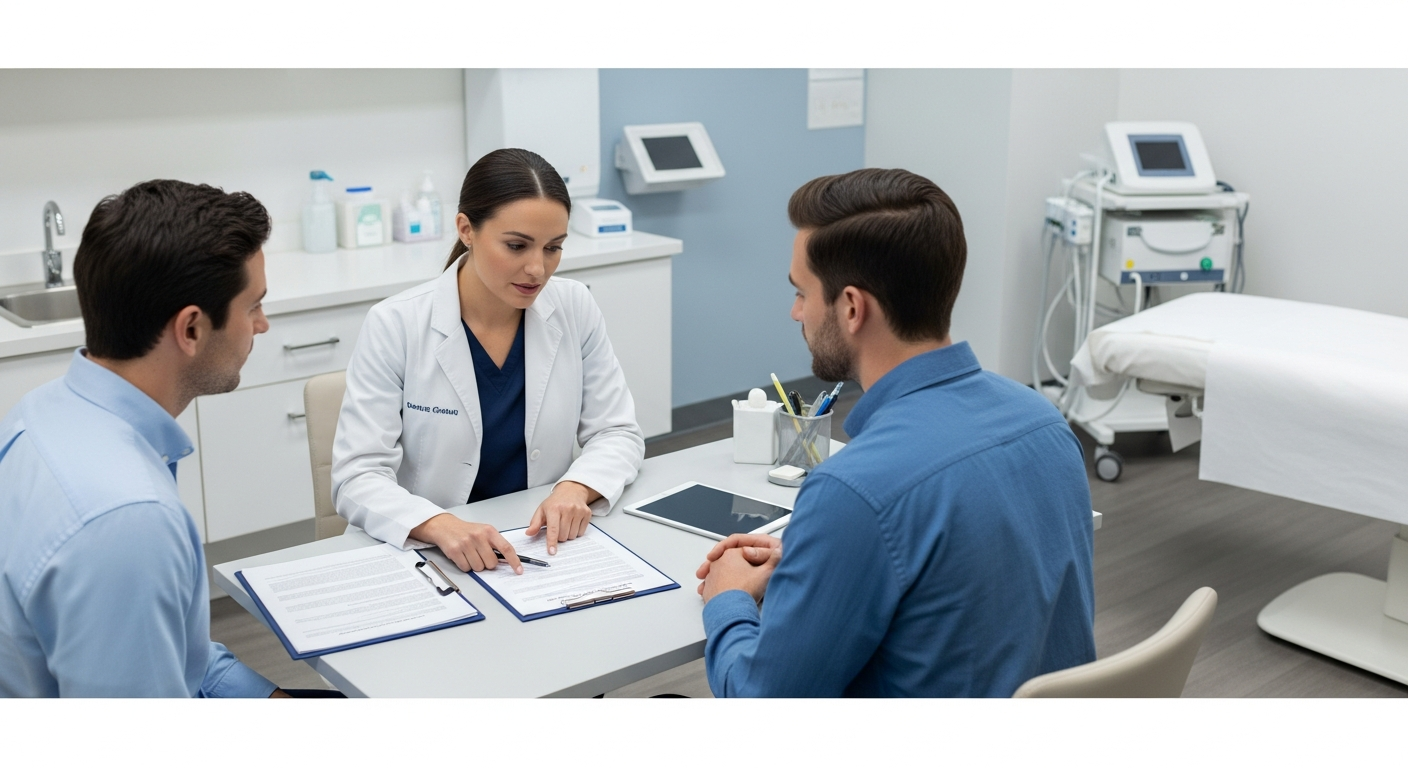
Establishing Robust Informed Consent Protocols
Informed consent is a foundational element of med spa risk management.
It involves a documented dialogue between the provider and the patient.
The patient must understand the potential risks and expected outcomes.
A signed form alone is often insufficient for full liability protection.
The documentation should reflect that a verbal discussion took place.
Providers must confirm the patient had the opportunity to ask questions.
Documentation of Specific Aesthetic Risks
Each aesthetic procedure requires a unique consent form and discussion.
Generalized forms do not adequately address risks like bruising or burns.
Specific complications for neurotoxins or fillers must be clearly outlined.
Standardized Recordkeeping for Clinical Compliance
Consistent recordkeeping is the primary defense in any liability claim.
Every patient interaction should follow a standardized clinical format.
This ensures that all treatment decisions are documented chronologically.
Accurate records must include pre-treatment and post-treatment assessments.
Note the specific products used, including lot numbers and expiration dates.
Detailed charting demonstrates that the standard of care was met.
Utilizing Photographic Evidence in Med Spas
Clinical photography is a critical component of the patient record.
Standardized photos provide objective evidence of the treatment’s progression.
These images protect the med spa against claims of poor results.
Handling Adverse Treatment Outcomes
Adverse outcomes require immediate and structured operational responses.
A formal protocol ensures that complications are managed professionally.
Prompt intervention can often prevent a clinical issue from becoming a lawsuit.
Documentation of the follow-up care is as important as the initial treatment.
Note all instructions given to the patient for at-home recovery.
Maintain a clear timeline of all communication following the incident.
Implementing Incident Reporting Systems
Internal incident reports help identify patterns in clinical errors.
These reports should be used for internal quality improvement only.
Tracking near-misses allows a med spa to update safety protocols.
Liability Reduction Frameworks and Oversight
Medical director oversight is a core requirement for U.S. med spas.
The director must ensure that all staff operate within their scope.
Clear delegatory protocols reduce the risk of unauthorized practice claims.
Regular audits of patient charts help maintain high documentation standards.
Identifying gaps in records before a claim occurs is vital.
Education on risk management should be an ongoing staff requirement.
Staff Training and Competency Verification
All aesthetic providers must demonstrate competency in their specific roles.
Keep updated records of all licenses and specialized certifications.
Ongoing training ensures compliance with evolving aesthetic safety standards.
