Med Spa Risk Management: Frameworks for Liability Reduction
Med spa risk management is the systematic process of identifying, assessing, and mitigating operational and clinical liabilities within an aesthetic clinic. Effective risk management involves maintaining rigorous recordkeeping standards, utilizing comprehensive informed consent forms, and implementing structured incident reporting systems to protect the business from legal exposure and adverse patient outcomes.
The Role of Informed Consent in Liability Reduction
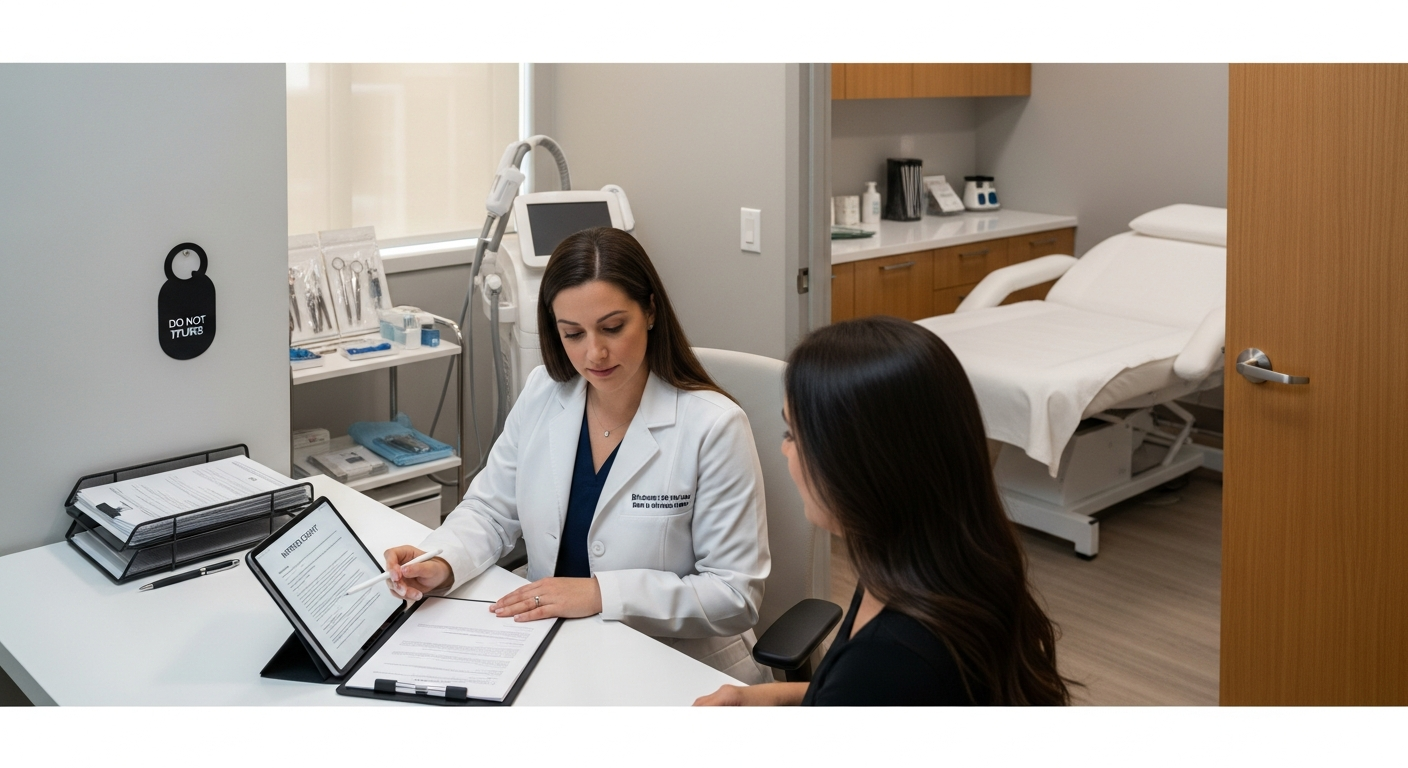
Informed consent is the foundation of a med spa risk management strategy. It is a process of communication rather than just a signed piece of paper.
A legally sound consent process ensures the patient understands the specific risks, benefits, and alternatives of a procedure. This dialogue must be documented to prove the patient was a willing participant in the treatment plan.
Documentation Beyond the Signature
Detailed notes should accompany every consent form. These notes must include the patient’s verbal confirmation of understanding and any specific questions they asked during the consultation.
In the event of a dispute, these contemporaneous notes provide essential evidence that the med spa followed professional standards. Documentation must be completed immediately following the patient interaction.
Structured Recordkeeping Standards for Compliance
Consistent recordkeeping is mandatory for regulatory compliance and liability protection. Every patient file must serve as a complete chronological history of care.
Accurate records include pre-treatment assessments, precise treatment parameters, and post-care instructions provided to the patient. Standardized templates help ensure no critical data points are missed by staff.
- Baseline Photos: Always capture high-quality, standardized “before” images for every patient.
- Treatment Logs: Record device settings, injection sites, and product lot numbers for every session.
- Post-Care Instructions: Document that the patient received and understood written aftercare protocols.
Patient Communication Logs
Risk management requires logging every interaction, including phone calls, emails, and text messages. These logs prevent misunderstandings regarding follow-up advice or missed appointments.
If a patient fails to follow aftercare instructions, this non-compliance must be documented. Such records are vital if an adverse outcome occurs due to patient negligence.
Handling Adverse Treatment Outcomes and Complications
Adverse outcomes are an inherent risk in aesthetic medicine. How a med spa responds to a complication determines its level of liability exposure.
When a complication occurs, the priority is patient safety and transparent communication. Staff should follow a pre-defined medical protocol to manage the physical symptoms immediately.
The Importance of Incident Reporting Systems
A formal incident reporting system allows a med spa to track “near misses” and actual adverse events. This internal documentation helps identify patterns that may indicate a need for better training.
Incident reports should be factual and objective. They must describe exactly what happened, who was involved, and what corrective actions were taken to assist the patient.
Building a Risk Management Culture
Liability reduction is most effective when every team member prioritizes documentation and safety. Regular audits of patient charts can identify gaps in recordkeeping before they become legal liabilities.
Training sessions should focus on the legal importance of thorough documentation. When staff understand that “if it isn’t documented, it didn’t happen,” the med spa’s overall risk profile improves significantly.
- Quarterly Audits: Review a random selection of charts for completion and accuracy.
- Staff Training: Provide regular updates on updated consent protocols and reporting procedures.
- Protocol Reviews: Ensure all clinical protocols align with current industry standards and state regulations.
