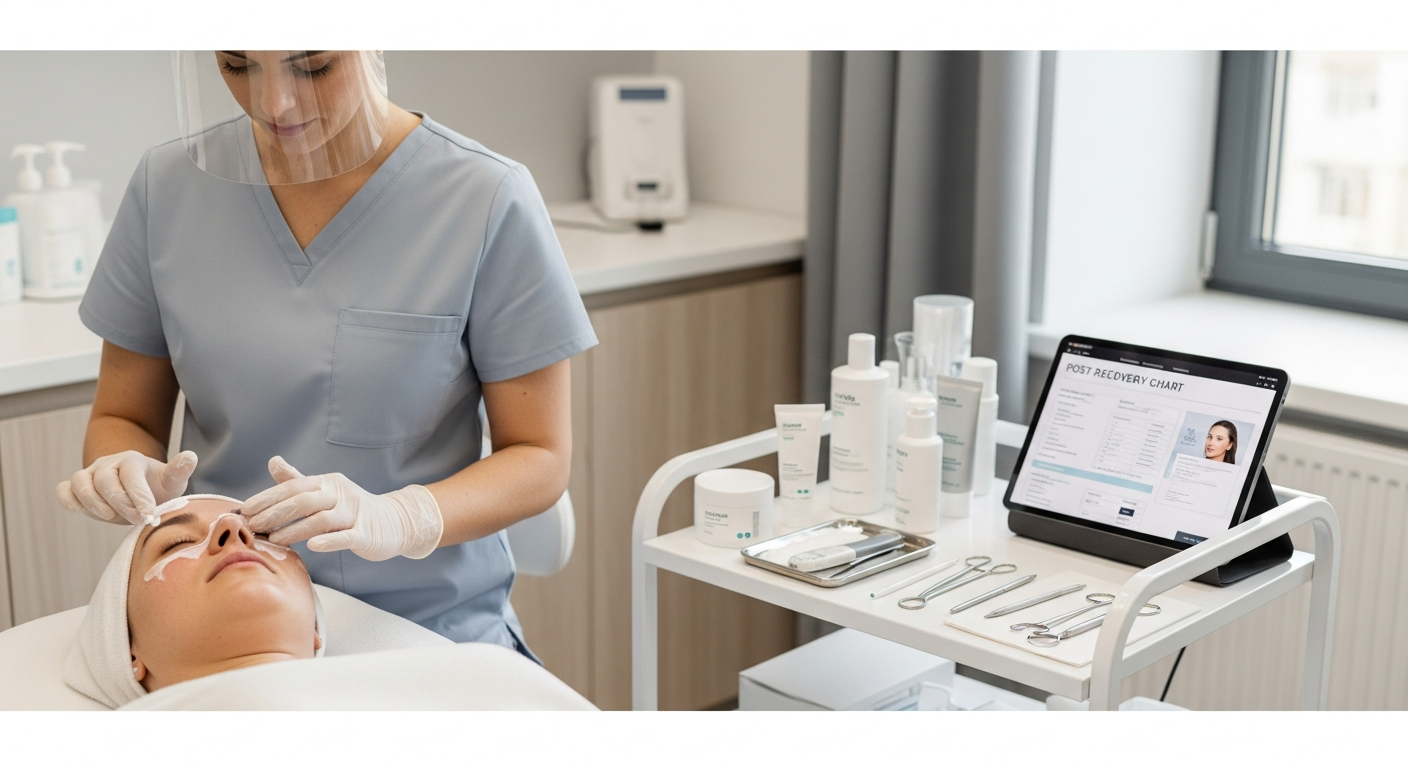
Post-Treatment Management in Med Spa Environments
Post-treatment management in med spa settings involves the implementation of standardized clinical protocols designed to stabilize the skin, minimize complications, and reduce procedural downtime. These systems provide structured workflows for managing inflammation and erythema following aesthetic procedures such as laser resurfacing, microneedling, and chemical peels to ensure predictable patient outcomes.
Standardized Recovery Protocols for Energy-Based Devices
Post-laser recovery requires a systematic approach to heat dissipation and inflammation control. Med spas must establish clear guidelines for managing the thermal response immediately following treatment to prevent prolonged erythema.
Standardized workflows often include specific cooling durations and the application of occlusive barriers to protect the compromised skin surface. These steps ensure that every patient receives the same level of clinical care.
Managing Inflammation and Erythema
- Immediate Cooling: Utilize controlled cooling methods to reduce interstitial heat and comfort the patient.
- Topical Protection: Apply non-irritating, inert barriers to prevent transepidermal water loss during the initial 24-hour window.
- Vascular Monitoring: Establish a schedule for assessing persistent redness to differentiate between normal inflammatory responses and potential complications.
Microneedling and Chemical Peel Aftercare Systems
Managing downtime for microneedling and chemical peels focuses on barrier restoration and infection prevention. A structured system eliminates variability between different practitioners within the med spa.
Clinical supervisors should prioritize protocols that address the unique needs of mechanically or chemically induced injuries. This includes strict timelines for when a patient can resume their regular skincare routine.
Barrier Restoration and Downtime Mitigation
The primary goal of post-treatment management in med spa microneedling is to close the micro-channels safely. This requires strict adherence to sterile protocols and the avoidance of active ingredients that could cause granulomas.
For chemical peels, the management system must focus on the controlled shedding of the stratum corneum. Patients must be educated on the dangers of premature exfoliation, which can lead to post-inflammatory hyperpigmentation.
Implementing Clinical Recovery Workflows
Effective post-treatment management in med spa facilities relies on protocol consistency rather than individual provider judgment. This creates a safer environment and more reliable results for the patient base.
Standardized workflows should include written discharge instructions, a clear schedule for follow-up communication, and a documented process for escalating concerns to the clinical supervisor.
Protocol Consistency and Staff Training
- Uniform Documentation: Use standardized forms to record the patient’s immediate post-procedure skin status and response.
- Patient Education: Provide clear, verbal and written instructions that detail what is considered a normal recovery versus an adverse event.
- Follow-up Schedules: Implement a mandatory 24-hour or 48-hour check-in for high-intensity procedures to monitor the healing trajectory.
By standardizing these recovery systems, med spas can significantly reduce the risk of post-procedural complications. This clinical focus ensures that all aesthetic treatments conclude with a safe and efficient healing process.
