Post-Treatment Management in Med Spa Operations
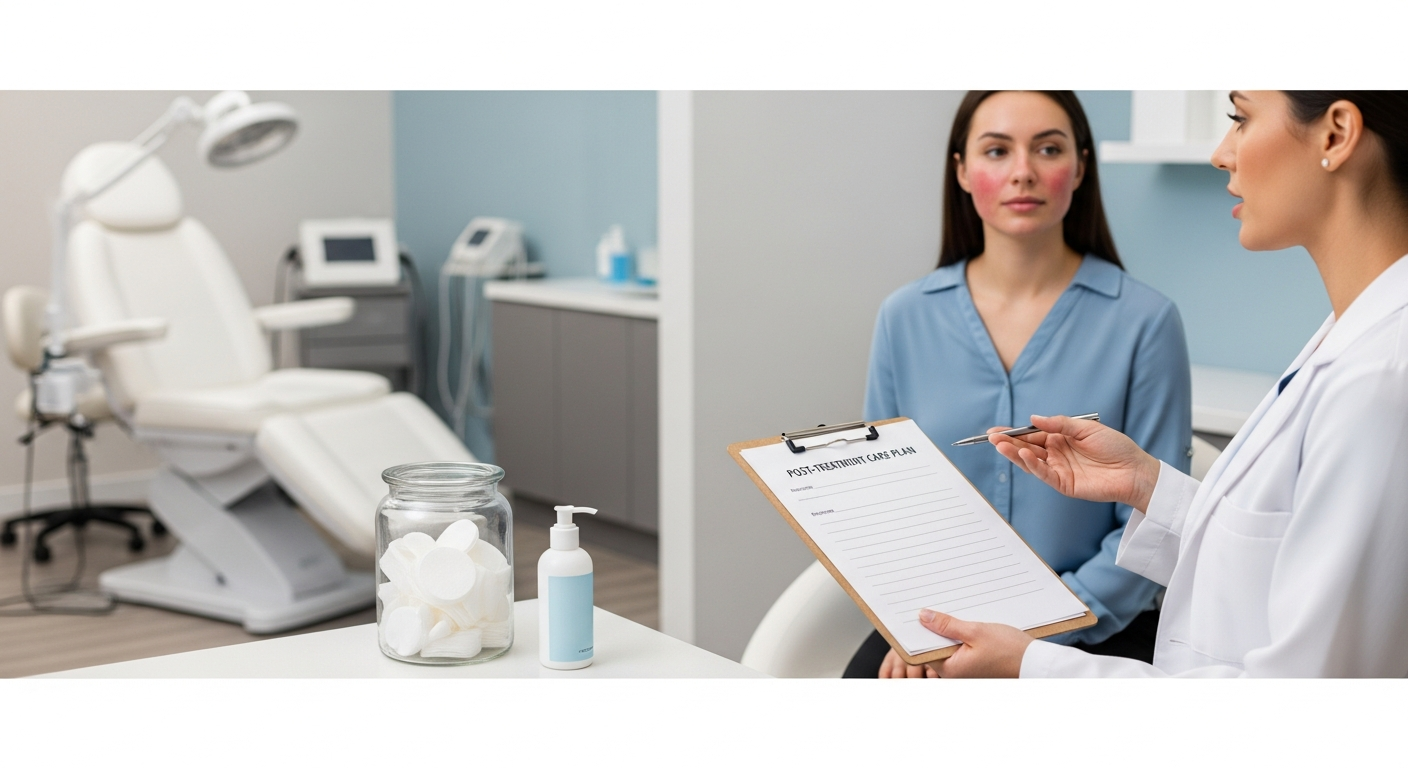
Post-treatment management in med spa facilities involves implementing standardized clinical protocols to oversee patient recovery after aesthetic procedures. These systems ensure consistent management of inflammation, erythema, and barrier repair across treatments like lasers and microneedling. Proper management reduces complication risks and ensures uniform results through evidence-based aftercare workflows.
Standardizing Post-Laser Recovery Protocols
Laser procedures require precise post-treatment management to mitigate heat-induced trauma and controlled thermal injury. Clinical protocols must focus on immediate heat dissipation and protecting the compromised skin barrier.
Providers should implement a standardized cooling phase followed by non-occlusive hydration to support re-epithelialization. Maintaining a consistent recovery environment prevents post-inflammatory hyperpigmentation and prolonged erythema in laser patients.
-
Laser Recovery Essentials:
- Strict UV avoidance and physical photoprotection.
- Monitoring for thermal crusting and edema.
- Maintaining a high-moisture environment for ablative procedures.
Microneedling Downtime and Barrier Restoration
In a med spa setting, microneedling recovery centers on the rapid closure of micro-channels and the prevention of secondary infection. The management system must prioritize sterility and the avoidance of harsh active ingredients.
The first 24 to 48 hours are critical for barrier restoration and reducing transepidermal water loss. Standardized instructions should prohibit the use of mechanical exfoliants or irritants until the inflammatory cascade subsides.
-
Microneedling Management Steps:
- Initial 24-hour period of zero-product contact.
- Use of sterile physiological saline for gentle cleansing.
- Gradual reintroduction of non-active cleansers.
Chemical Peel Aftercare Systems
Chemical peel management requires a structured approach to desquamation and pH stabilization. The primary clinical objective is to prevent premature peeling, which can lead to scarring or uneven texture.
Standardized workflows ensure that patients understand the timeline of skin shedding and the necessity of maintaining epidermal integrity. Providers must monitor for signs of abnormal frosting or persistent irritation during follow-up checks.
Managing Desquamation
Staff must be trained to advise patients against manual picking or pulling of shedding skin. Consistent moisturizing protocols help the skin slough off naturally without damaging the underlying tissue.
Clinical Management of Inflammation and Erythema
Effective post-treatment management in med spa environments requires distinguishing between expected inflammatory responses and adverse reactions. Erythema is a common side effect that must be monitored through a standardized grading system.
Protocols should define the expected duration of redness for each procedure type. If erythema persists beyond the clinical window, the recovery workflow should include an immediate clinical reassessment.
-
Inflammation Control Measures:
- Application of cold compresses for vascular constriction.
- Elevating the treated area to reduce edema.
- Monitoring for heat sensitivity or pruritus.
Standardized Recovery Workflows in Med Spas
Consistency in med spa operations relies on protocol-driven recovery systems rather than individual provider judgment. This ensures that every patient receives the same level of care and clinical oversight.
Standardized workflows include digital documentation of the healing process and scheduled follow-up touchpoints. This systematic approach allows clinical supervisors to identify trends and optimize recovery timelines across the facility.
-
Workflow Implementation Benefits:
- Reduction in post-procedure complications.
- Improved predictability of aesthetic outcomes.
- Clearer communication between providers and patients.
