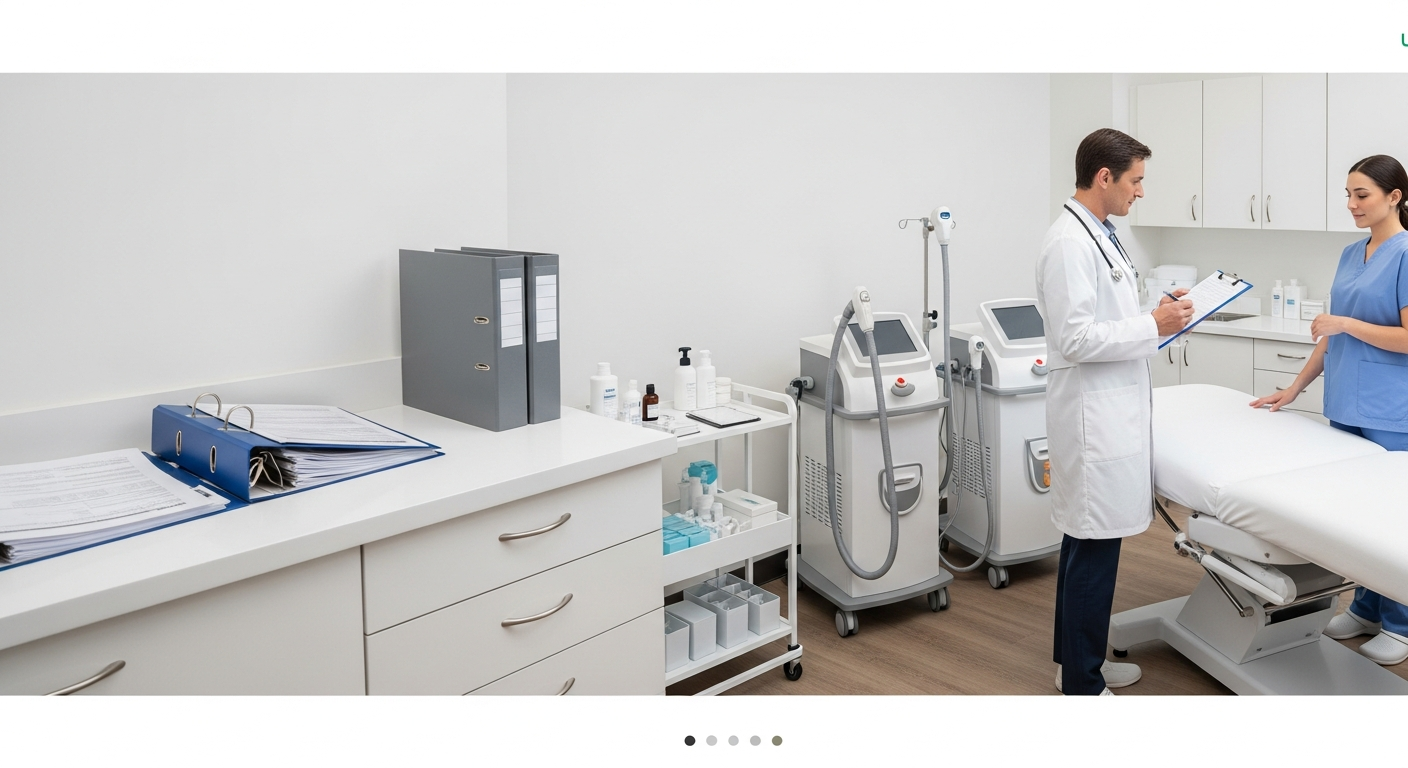
Understanding Med Spa Regulations and Compliance Requirements
Med spa regulations are state-specific laws governing the ownership, medical supervision, and clinical operation of aesthetic medical practices. These regulations typically mandate that med spas operate as medical clinics, requiring a licensed physician or medical director to oversee procedures like neurotoxin injections, laser treatments, and medical-grade peels to ensure patient safety and legal compliance.
State-Specific Licensing and Ownership Rules
Most states follow the Corporate Practice of Medicine (CPOM) doctrine, which restricts the ownership of medical practices to licensed physicians or physician-owned corporations.
Compliance begins with structuring the business entity correctly to reflect state laws, often requiring a Management Services Organization (MSO) model if non-physicians are involved.
Each state board of medicine or nursing sets specific requirements for who can legally own, manage, and receive profits from a med spa facility.
Medical Supervision and Delegation Standards
Every med spa must have a designated Medical Director who provides oversight and assumes legal responsibility for all medical procedures performed on-site.
Regulations strictly define how tasks are delegated to Registered Nurses (RNs), Physician Assistants (PAs), or Nurse Practitioners (NPs) based on their professional scope.
A “Good Faith Exam” (GFE) is a mandatory regulatory requirement where a provider must evaluate a patient before any medical treatment is administered.
Legal Scope of Aesthetic Practice
The legal scope determines which practitioners can perform specific services, such as laser hair removal, microneedling, or dermal filler injections.
Estheticians are generally restricted to the stratum corneum and cannot perform procedures that puncture the skin or use prescriptive devices without medical licensing.
Violating scope of practice regulations can result in heavy fines, license revocation, and the permanent closure of the med spa by state boards.
Inspection Readiness and Safety Standards
Med spas must maintain high levels of inspection readiness to comply with Department of Health, OSHA, and state medical board safety standards.
Facility requirements often include specific protocols for biohazardous waste disposal, sterile processing areas, and the proper storage of prescription medications.
Regular internal audits help ensure that the facility meets all environmental safety codes and emergency response requirements mandated by local jurisdictions.
Essential Compliance Documentation Basics
Accurate and thorough documentation is the foundation of a compliant med spa, starting with comprehensive patient intake forms and informed consent.
Standard Operating Procedures (SOPs) must be written and followed for every medical treatment offered to ensure consistency and safety for all patients.
HIPAA compliance is mandatory, requiring the secure storage of electronic medical records and the protection of sensitive patient health information at all times.
