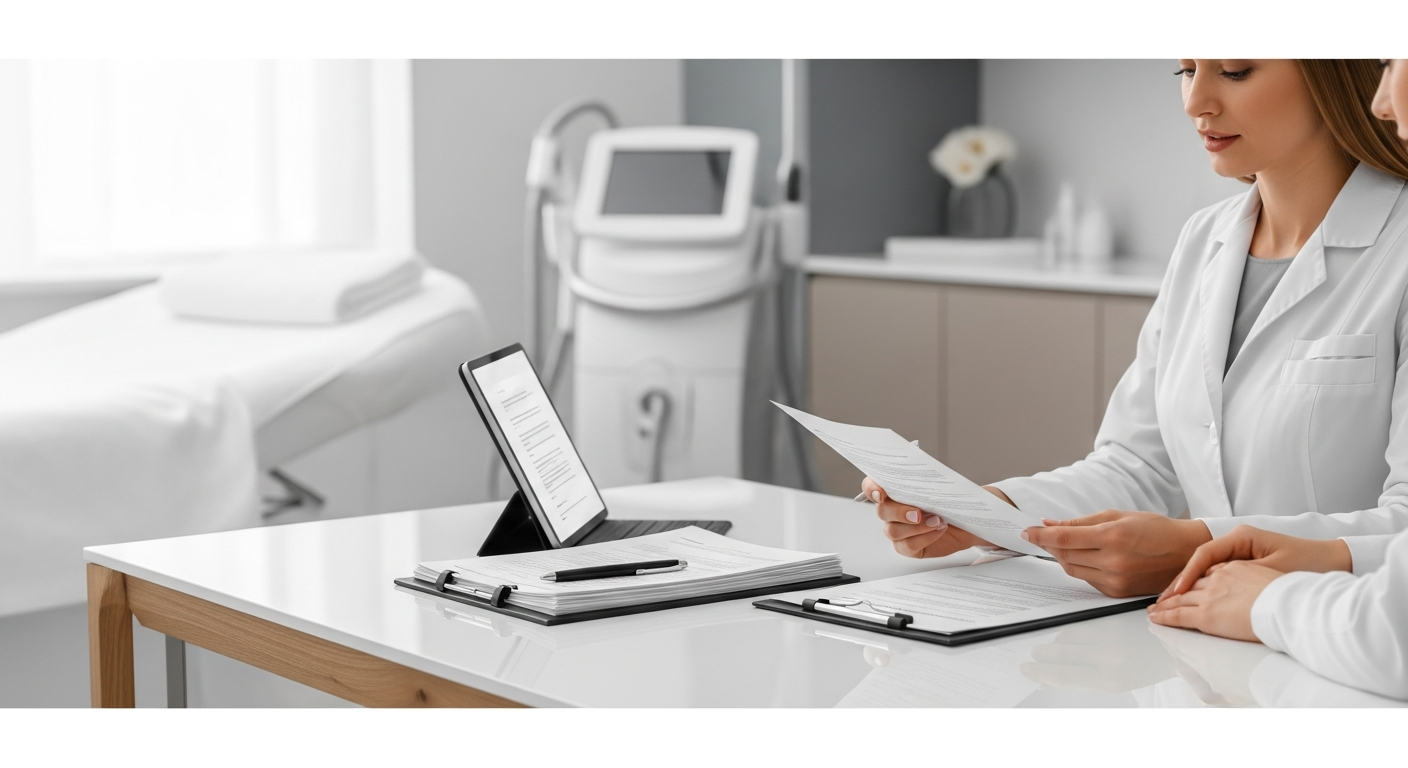
Med Spa Risk Management: Essential Liability Protocols
Med spa risk management is the proactive implementation of operational safeguards and documentation standards designed to minimize legal liability in aesthetic clinics. This process involves maintaining rigorous informed consent protocols, structured incident reporting systems, and comprehensive patient records to ensure clinical compliance and protect the medical director’s license.
The Foundation of Med Spa Risk Management
Effective risk management begins with a culture of compliance that prioritizes patient safety over high-volume sales.
In the United States, medical directors must oversee all clinical protocols to ensure treatments remain within the legal scope of practice.
A structured framework helps mitigate the inherent dangers of aesthetic procedures like laser treatments or injectables.
Informed Consent Documentation Standards
Informed consent is more than a signed form; it is a documented educational process between the provider and the patient.
The documentation must explicitly list the specific risks, potential side effects, and realistic expected outcomes for each unique procedure.
A valid consent form must also record that the patient had the opportunity to ask questions and received satisfactory answers.
Structured Recordkeeping for Compliance
Standardized recordkeeping is the primary defense for any med spa facing a liability claim or a state board inquiry.
Every patient chart should include detailed treatment notes, device settings, product lot numbers, and high-quality before-and-after photographs.
Inconsistent or incomplete records often suggest professional negligence, making the clinic more vulnerable to legal challenges.
Managing Adverse Treatment Outcomes
Despite the best clinical practices, adverse outcomes such as burns, infections, or vascular occlusions can occur in any med spa.
The speed and professional nature of the clinic’s response directly dictate the level of subsequent liability exposure.
Providers must remain calm and follow a pre-established clinical protocol for corrective care while documenting every step taken.
Formal Incident Reporting Systems
An internal incident reporting system allows a med spa to track, analyze, and learn from every clinical complication.
Reports should be filed immediately following an adverse event, detailing the timeline, the equipment used, and the provider involved.
These documents serve as internal tools to identify systemic issues and are critical for communication with professional liability insurers.
Handling Patient Complaints Professionally
Dissatisfied patients often escalate to litigation if they feel their concerns are being ignored or dismissed by the clinic staff.
Management should have a standardized communication protocol for addressing grievances that emphasizes empathy without admitting legal fault.
Resolving issues through formal refund agreements or corrective treatments can prevent a simple complaint from turning into a lawsuit.
Long-Term Liability Reduction Frameworks
Reducing liability requires constant vigilance and the regular auditing of all internal clinical and administrative processes.
Med spa owners should conduct quarterly reviews of patient charts to ensure all documentation meets the required state standards.
Ongoing training for staff on the latest safety protocols ensures that the clinic remains compliant as aesthetic technology evolves.
- Standard Operating Procedures: Maintain written protocols for every medical service offered.
- Credential Verification: Regularly verify the active licensure and certifications of all clinical staff.
- Equipment Maintenance: Keep detailed logs of laser calibrations and device servicing to prove operational safety.
- Emergency Preparedness: Ensure all staff are trained in emergency protocols, including the use of hyaluronidase.
The Role of the Medical Director
The medical director is central to med spa risk management, providing the necessary oversight for all delegated medical tasks.
They are responsible for approving clinical protocols and ensuring that all practitioners are properly trained and supervised.
A medical director who is active and involved significantly reduces the risk of practicing medicine without a license or negligence claims.
