Essential Med Spa Risk Management Strategies
Med spa risk management is the systematic process of identifying, assessing, and mitigating operational and clinical hazards to protect patients and reduce legal liability. Effective frameworks prioritize structured documentation, rigorous informed consent protocols, and detailed incident reporting to ensure regulatory compliance and safeguard the professional licenses of medical directors and practitioners.
Comprehensive Informed Consent Documentation
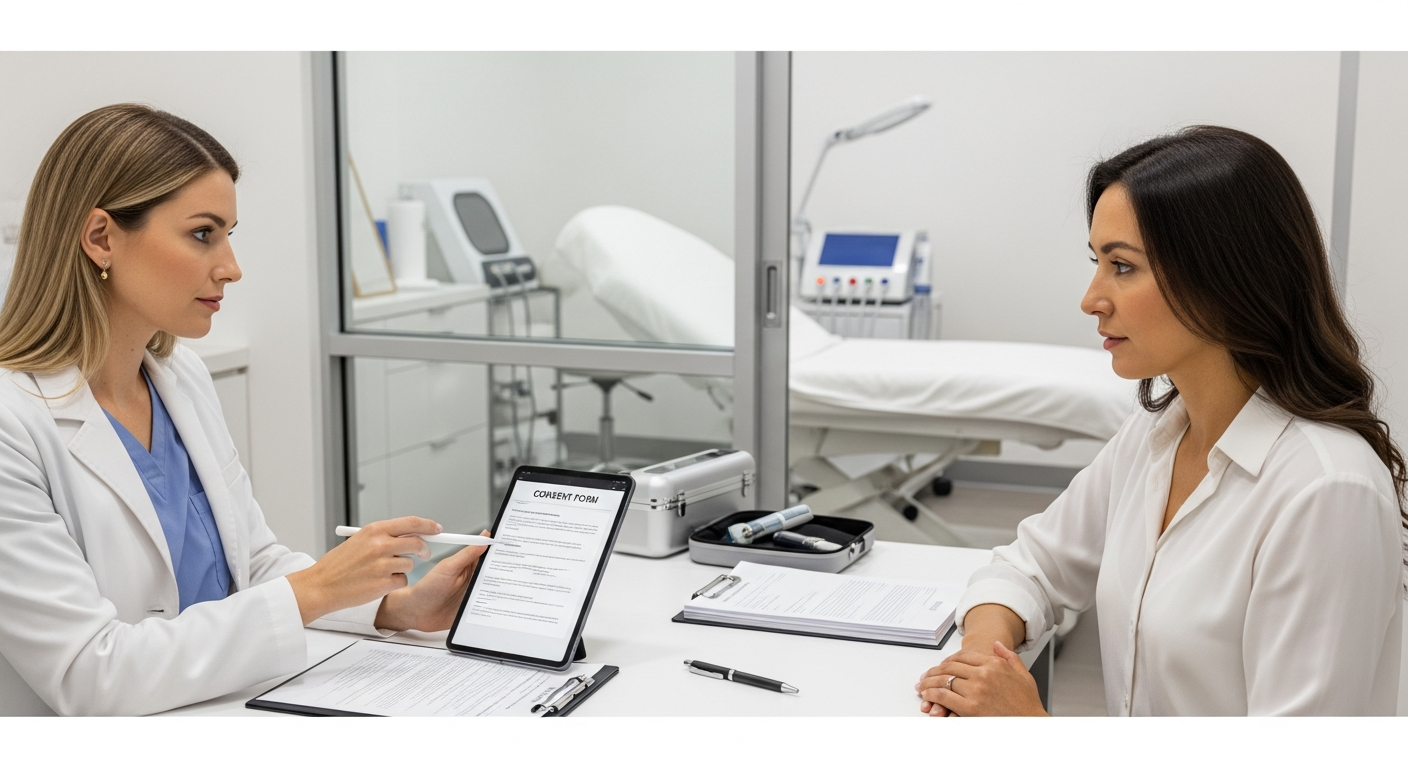
Informed consent is a foundational element of med spa risk management that goes beyond a signed form. It requires a clear dialogue between the practitioner and the patient regarding treatment expectations.
The process must document that the patient understands the specific risks, benefits, and alternative options available. Every record should reflect that the patient had the opportunity to ask questions before the procedure.
Detailed notes should confirm the patient’s acknowledgment of potential adverse outcomes. This creates a defensive paper trail that validates the patient was fully aware of the clinical possibilities.
Standardizing Medical Recordkeeping for Compliance
Consistent recordkeeping standards are vital for maintaining compliance and defending against malpractice claims. Every patient encounter must be logged using a structured format that details the treatment parameters.
Medical records should include precise data such as product batch numbers, injection sites, and device settings. Inaccurate or incomplete records often serve as the primary vulnerability during a legal audit.
High-quality clinical photography is an essential component of the recordkeeping system. Standardized before-and-after photos provide objective evidence of treatment outcomes and help manage patient expectations over time.
Implementing Incident Reporting Systems
A structured incident reporting system allows a med spa to track deviations from standard care. This internal log should capture every unexpected event, regardless of whether it resulted in immediate harm.
Reporting systems help medical directors identify patterns in treatment complications or practitioner errors. Analyzing these trends allows the clinic to implement corrective actions before systemic issues lead to litigation.
Every report should include the date, the personnel involved, a factual description of the event, and the immediate response. This documentation demonstrates a proactive approach to patient safety and quality control.
Managing Adverse Treatment Outcomes
Handling adverse outcomes requires a balance of clinical intervention and administrative documentation. When a complication occurs, the practitioner must follow a predetermined communication protocol to inform the patient.
The med spa must document all follow-up care provided to address the adverse event. Clear instructions given to the patient for at-home care should be recorded to prove the clinic’s ongoing commitment to safety.
Maintaining a professional and transparent relationship during a complication reduces the likelihood of a legal dispute. Documentation should remain factual and avoid admissions of guilt while focusing on the clinical resolution.
Liability Reduction Frameworks for Owners
Reducing liability in a med spa involves defining clear roles for medical directors and aesthetic staff. A formal framework ensures that every procedure is performed within the practitioner’s legal scope of practice.
- Establish clear protocols for medical screenings and patient clearances.
- Ensure medical directors provide adequate supervision based on state regulations.
- Conduct regular audits of patient charts to ensure documentation consistency.
- Maintain updated policy manuals that reflect current aesthetic safety standards.
By focusing on these operational safeguards, med spa owners can create a culture of safety. Structured documentation remains the most effective tool for mitigating the financial and legal risks inherent in aesthetic medicine.
