Med Spa Risk Management: Essential Liability Protections
Med spa risk management is the systematic process of identifying and mitigating clinical and operational hazards within an aesthetic practice. Effective management focuses on implementing robust informed consent protocols, standardized recordkeeping, and formal incident reporting systems to reduce liability exposure and ensure the safety of both patients and practitioners.
Standardizing Informed Consent Documentation
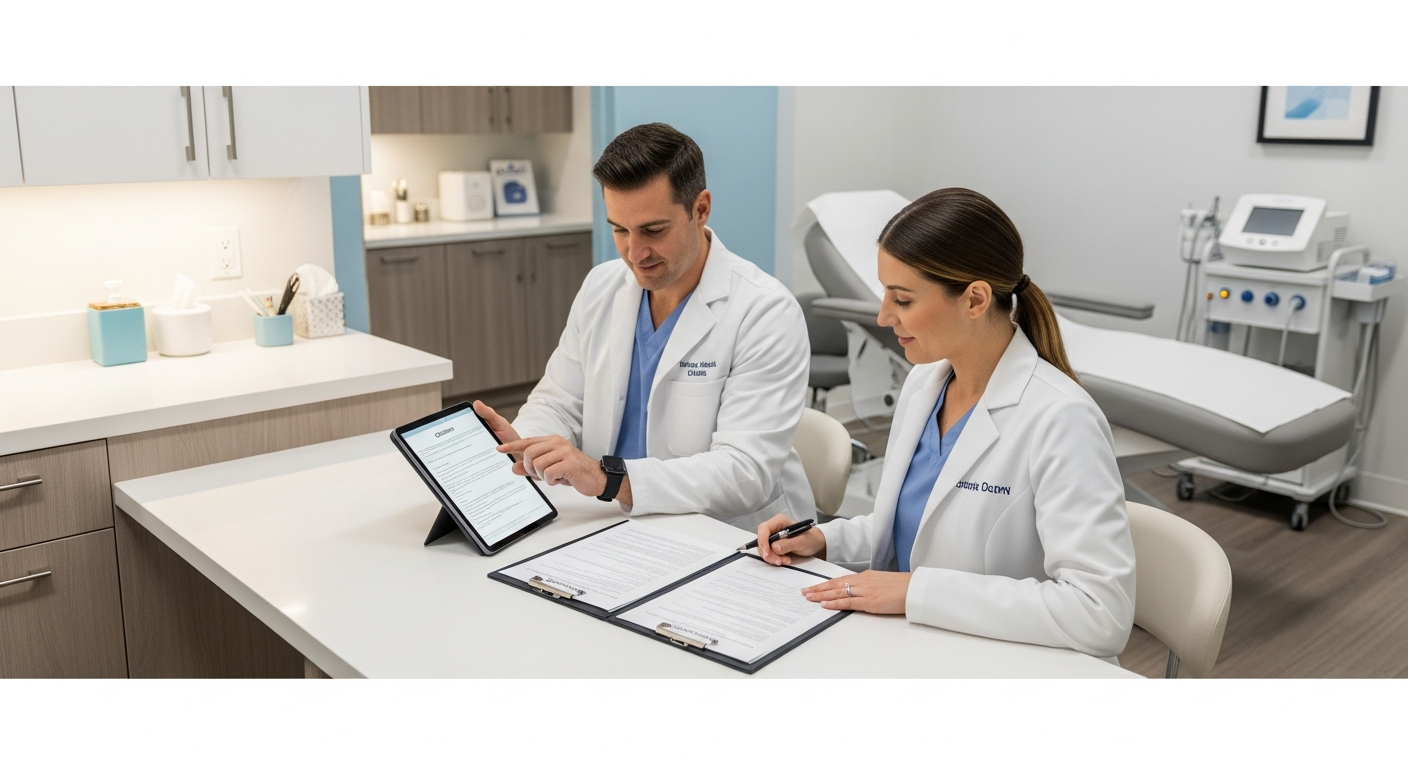
Informed consent is more than a signed form; it is a vital communication process between the practitioner and the patient. In a med spa environment, this document must detail the specific risks, benefits, and alternatives of every procedure.
Proper documentation must reflect that the patient understood the potential for adverse outcomes before the treatment began. Practitioners should record any questions the patient asked and the specific answers provided during the consultation.
To reduce liability, each treatment modality requires its own distinct consent form tailored to the unique risks of that service. General or blanket consent forms are often insufficient for protecting a med spa during a legal dispute.
Incident Reporting Systems for Adverse Outcomes
A structured incident reporting system allows a med spa to track and analyze complications or unexpected results. This system should be utilized for every deviation from the expected clinical path, regardless of severity.
Reports must include objective descriptions of the event, the immediate steps taken to address the issue, and the patient’s response. Avoid including subjective opinions or admissions of fault within these internal administrative records.
Consistent reporting helps medical directors identify patterns that may indicate a need for additional staff training. This proactive approach prevents recurring issues that could lead to widespread liability for the business.
Identifying Potential Treatment Risks
Each aesthetic procedure carries inherent risks that must be monitored by the clinical team. Staff should be trained to recognize the early signs of complications, such as vascular occlusions or thermal injuries.
Early identification allows for immediate intervention, which can significantly limit the physical damage to the patient. Reducing the severity of an outcome is one of the most effective ways to lower legal exposure.
Documenting Response and Resolution
When an adverse event occurs, the med spa must document all follow-up care provided to the patient. This includes phone calls, emails, and in-person assessments conducted after the initial incident.
Maintaining a clear timeline of the clinic’s responsive actions demonstrates a commitment to patient safety. Documentation should show that the med spa followed established protocols for managing complications.
Recordkeeping Standards for Regulatory Compliance
Accurate recordkeeping is the foundation of any med spa risk management strategy. Patient charts must be legible, chronological, and complete, containing all treatment parameters and post-care instructions provided.
Every entry should be time-stamped and associated with the specific practitioner who performed the service. Inconsistent or missing notes are often the primary reason aesthetic clinics lose liability cases.
Digital records must be stored securely to maintain patient privacy and meet industry standards for data protection. Regular audits of patient files help ensure that documentation remains consistent across the entire clinical team.
Creating a Liability Reduction Framework
A liability reduction framework integrates documentation, staff training, and clinical protocols into a single operational strategy. This framework ensures that every team member understands their role in protecting the clinic.
Medical directors should lead the development of these safeguards, ensuring they align with the specific services offered at the med spa. Consistency in how procedures are performed and recorded is the best defense against claims.
By prioritizing structured documentation, med spa owners can build a culture of safety that benefits both the business and the clientele. Reducing risk is a continuous process that requires regular review of operational standards.
