Med Spa Risk Management: Strategies to Reduce Liability
Med spa risk management is a strategic operational framework designed to identify, evaluate, and mitigate potential legal and clinical liabilities within aesthetic practices. Effective programs prioritize rigorous informed consent protocols, standardized incident reporting, and comprehensive recordkeeping to protect owners and medical directors from malpractice claims while ensuring consistent patient safety standards across all cosmetic procedures.
Establishing a Liability Reduction Framework
Med spa risk management requires a proactive approach to operational safety.
A structured framework helps owners identify potential hazards before they escalate.
This system creates a defensive shield around the medical director and staff.
Key Components of Risk Mitigation
- Standardized clinical protocols for every treatment offered.
- Consistent training to ensure all practitioners follow safety margins.
- Regular audits of patient files to verify protocol compliance.
Informed Consent Documentation Standards
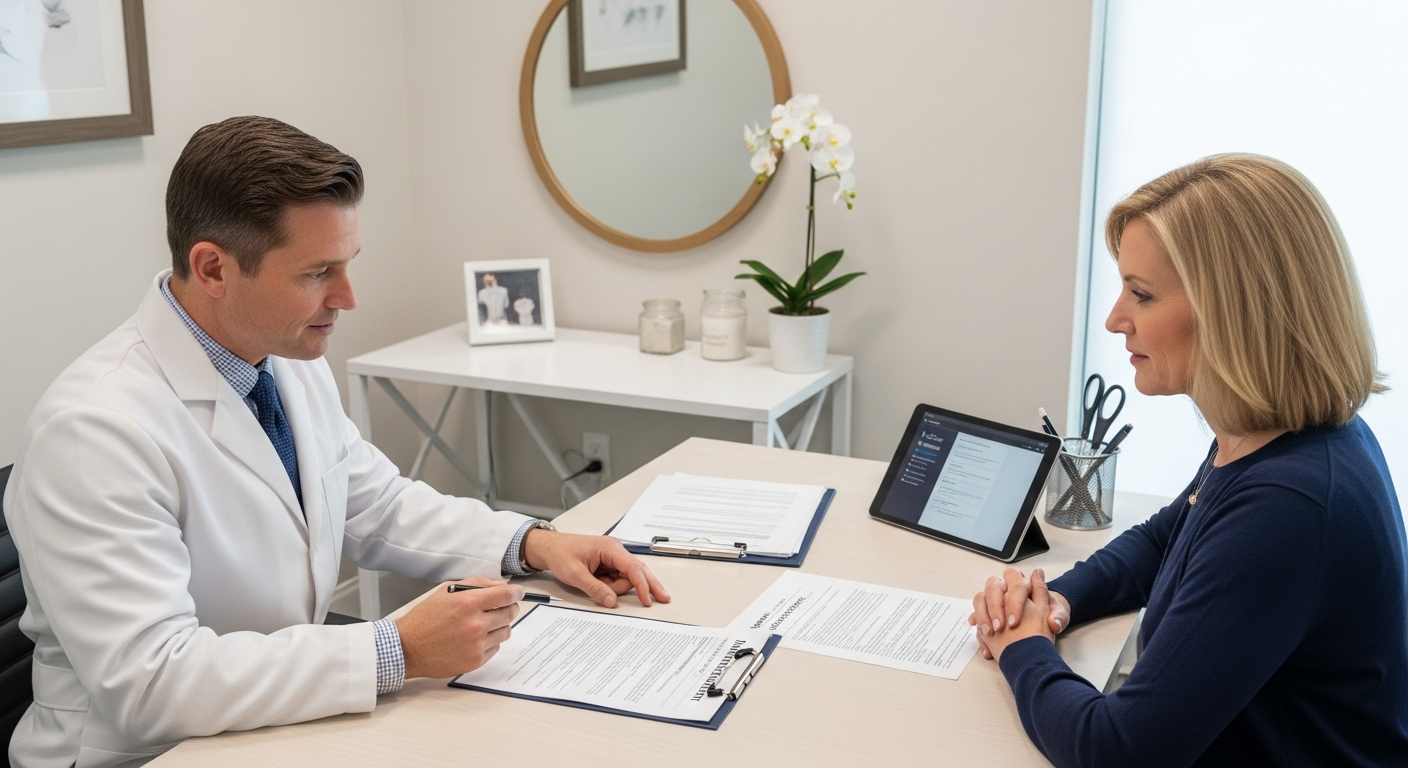
Informed consent is more than a signed paper in a med spa environment.
It is a documented process where the patient acknowledges specific treatment risks.
Effective consent forms detail the potential for burns, scarring, or dissatisfaction.
Essential Elements of Consent
Documentation must show the patient had the opportunity to ask questions.
The clinician should record the patient’s verbal understanding of the procedure.
Signed forms must be dated and specific to the exact service performed that day.
Implementing Incident Reporting Systems
When an adverse outcome occurs, the response determines the level of liability.
A formal incident reporting system tracks every unexpected event or complication.
This documentation provides an objective timeline of the clinic’s corrective actions.
Handling Adverse Treatment Outcomes
Staff should be trained to document clinical observations without admitting fault.
Reports must include the date, practitioner involved, and immediate steps taken.
Photographic evidence of the adverse event should be secured in the patient file.
Recordkeeping for Compliance and Defense
Detailed medical records are the primary defense in any aesthetic legal dispute.
Every interaction, including consultations and follow-ups, must be logged.
Inconsistent documentation is often viewed as a sign of negligent care.
Maintaining Defensive Documentation
- Use standardized templates to ensure no critical data points are missed.
- Ensure all notes are objective and focused on clinical facts.
- Store records securely to comply with state and federal privacy laws.
The Role of the Medical Director in Risk
The medical director provides the clinical oversight necessary for legal compliance.
They are responsible for approving the protocols that the med spa follows daily.
Active involvement in risk management reduces the director’s personal exposure.
Supervision and Accountability
Directors should perform regular check-ins on staff performance and record accuracy.
Clear lines of authority ensure that every staff member knows the safety chain.
Documented supervision is a critical element of a med spa risk management plan.
