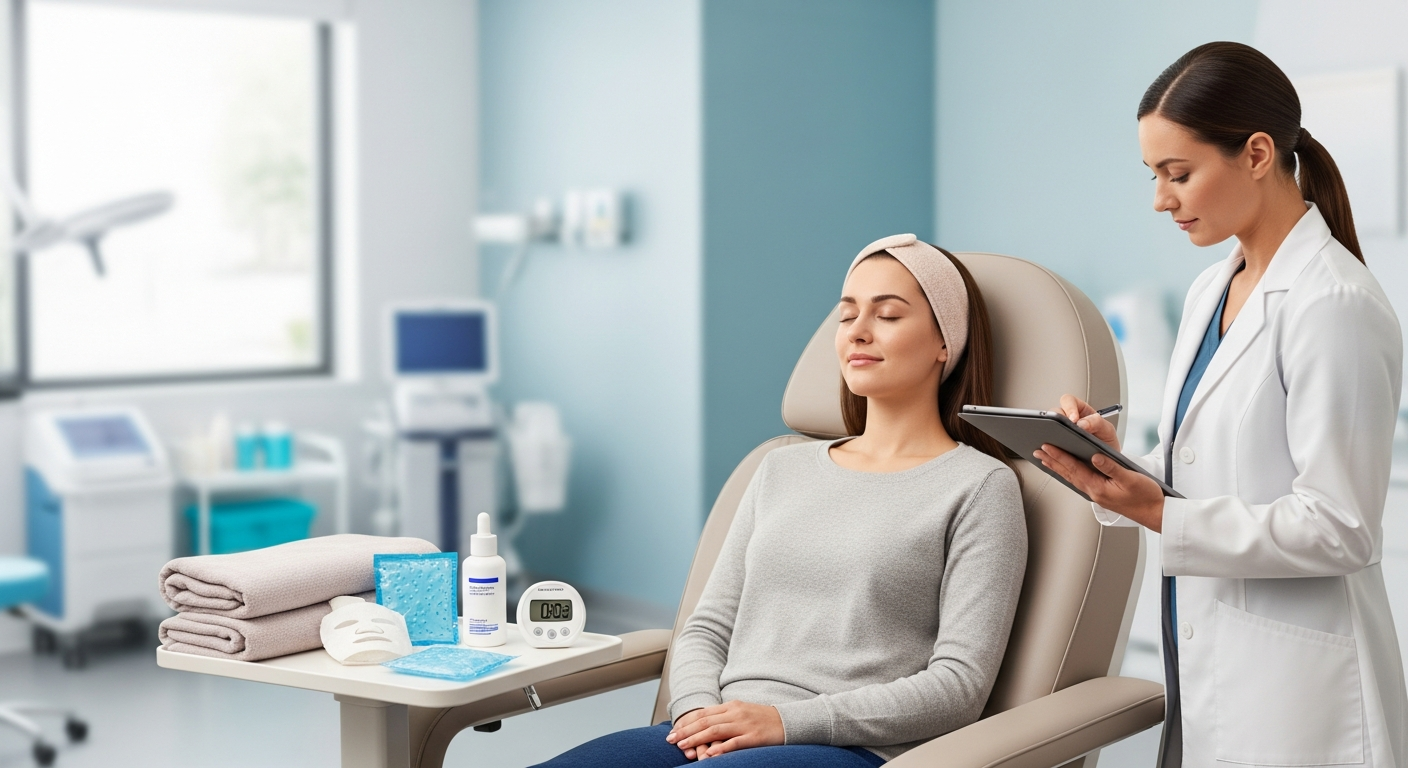
Post-Treatment Management in Med Spa Protocols
Post-treatment management in med spa settings refers to the standardized clinical protocols used to monitor recovery and mitigate complications following aesthetic procedures. These systems focus on controlling inflammation, managing erythema, and accelerating tissue repair through structured follow-up care to ensure consistent patient outcomes and minimize downtime across all provider levels.
Standardized Post-Laser Recovery Protocols
Post-laser care requires strict adherence to thermal regulation and barrier protection.
Clinical staff must ensure patients understand the heat dissipation phase immediately following treatment.
Managing residual heat prevents prolonged erythema and potential thermal injury.
Managing Heat and Erythema
Clinicians should implement immediate cooling measures to stabilize skin temperature.
Standardized protocols include the application of occlusive barriers to prevent transepidermal water loss.
Monitoring the duration of redness is essential for identifying abnormal inflammatory responses.
Sun Avoidance and Pigment Protection
U.S. med spas must enforce strict UV protection guidelines to prevent post-inflammatory hyperpigmentation.
Physical blockers are prioritized over chemical filters in the immediate 48-hour window.
Consistency in patient education prevents avoidable complications from environmental exposure.
Microneedling Downtime Management
Microneedling recovery centers on managing micro-channel closure and inflammatory cascades.
Standardized workflows dictate that no active ingredients be applied for the first 24 hours.
This ensures the skin’s natural healing process remains undisturbed by external irritants.
Barrier Repair Systems
The primary goal of post-microneedling management is restoring the lipid barrier.
Clinical supervisors should mandate the use of sterile, non-comedogenic hydrating agents.
Proper hydration accelerates re-epithelialization and reduces the sensation of tightness.
Infection Control and Monitoring
Standardized protocols require patients to report any pustules or localized warmth.
Providers must document the healing progression at specific 24 and 72-hour intervals.
Standardization reduces reliance on individual provider judgment during the recovery phase.
Chemical Peel Aftercare Systems
Post-peel management focuses on the controlled desquamation of the stratum corneum.
Med spa protocols must prevent patients from prematurely removing peeling skin.
Manual interference with the peeling process increases the risk of scarring and infection.
Controlling Desquamation
Recovery systems prioritize heavy moisturization to keep the peeling tissue pliable.
This prevents cracking and reduces the risk of secondary infection.
Consistency in aftercare instructions ensures patients do not use exfoliating acids too soon.
Managing Sensitive Tissue
The newly revealed skin is highly sensitive and requires specialized handling.
Protocols should include gentle cleansing techniques and the avoidance of high-heat environments.
Managing patient expectations regarding the timeline of peeling is a core clinical task.
Standardized Recovery Workflows in Med Spas
Operational success in a med spa relies on uniform recovery documentation and follow-up.
Every practitioner must follow the same clinical path to ensure patient safety.
Standardization minimizes the variability in results between different aesthetic injectors and technicians.
- Digital Follow-Up: Automated systems for checking patient status at 24 hours.
- Standardized Kits: Pre-packaged recovery supplies provided to every patient.
- Incident Reporting: Clear pathways for escalating abnormal healing responses.
- Patient Education: Written and verbal instructions that match clinic-wide standards.
Managing Inflammation and Erythema
Clinical management of inflammation involves distinguishing between normal healing and adverse events.
Med spa supervisors must train staff to recognize persistent edema or prolonged blanching.
Early intervention through standardized protocols prevents long-term tissue damage.
Documentation and Compliance
Accurate charting of the post-treatment phase is a requirement for U.S. clinical standards.
Providers must record the duration of erythema and any patient-reported discomfort.
This data allows the med spa to refine protocols and improve overall clinical outcomes.
