U.S. Med Spa Industry Statistics and Clinical Trends
U.S. med spa industry statistics reveal a market valued at approximately $17.5 billion in 2023, with a projected annual growth rate of 9.8% through 2030. These data points reflect rising consumer demand for minimally invasive aesthetic procedures, increased regulatory scrutiny regarding medical oversight, and a shift toward standardized clinical outcomes in facilities across the United States.
Current Market Valuation and Growth Projections
The United States med spa sector continues to outpace traditional healthcare service growth. Recent financial data indicates that the average med spa generates approximately $1.9 million in annual revenue, with top-performing facilities exceeding $5 million.
Market expansion is driven by the democratization of aesthetic procedures. Once reserved for high-income demographics, med spa services are now utilized by a broader socioeconomic range, increasing the total addressable market significantly.
Investment patterns show a marked increase in private equity involvement. Consolidation through Management Services Organizations (MSOs) is a primary trend, as investors seek to standardize operations and capitalize on high-margin elective procedures.
Leading Aesthetic Treatment Categories
Injectables and Skin Rejuvenation
Neurotoxins and dermal fillers remains the highest volume category in the med spa industry. Statistics show that botulinum toxin injections account for a substantial percentage of total patient encounters annually.
Biostimulatory fillers, which encourage natural collagen production, are the fastest-growing injectable sub-segment. Data indicates a year-over-year increase in demand as patients pivot toward long-term structural skin health.
Body Contouring and Energy-Based Devices
Non-invasive fat reduction and muscle stimulation treatments represent a significant revenue stream. Growth in this sector is attributed to technological advancements that reduce treatment time and improve patient comfort levels.
Laser hair removal and intense pulsed light (IPL) therapies remain foundational services. These treatments provide the consistent recurring revenue necessary for operational stability in a competitive regional market.
Clinical Safety and Complication Rate Analysis
Maintaining low complication rates is critical for industry sustainability. While the majority of med spa procedures are safe, clinical data tracks adverse events such as vascular occlusions, burns, and infections.
Statistics suggest that facilities with on-site medical directors and rigorous practitioner training protocols report significantly lower complication rates. Safety data is increasingly used by consumers to differentiate between clinical-grade facilities and discount providers.
The reporting of adverse events is becoming more standardized. This shift allows for better benchmarking of clinical outcomes and the development of universal safety protocols for high-risk procedures like deep chemical peels.
Regulatory Oversight and Compliance Shifts
State medical boards are increasingly updating regulations regarding med spa operations. Primary focus areas include the definition of “medical act” and the required level of supervision for non-physician injectors.
- Requirement for in-person “good faith exams” prior to initial treatment.
- Strict guidelines on the use of titles such as “medical aesthetician.”
- Mandatory disclosure of medical director proximity and credentials.
Regulatory compliance is no longer optional for operational longevity. Facilities failing to meet state-specific corporate practice of medicine (CPOM) doctrines face increased risk of licensure suspension and heavy financial penalties.
Investor Outlook and Facility Development
The U.S. med spa industry remains a fragmented market, offering significant opportunities for independent owners and institutional investors. Geographic data shows high facility density in urban centers, with emerging growth in suburban corridors.
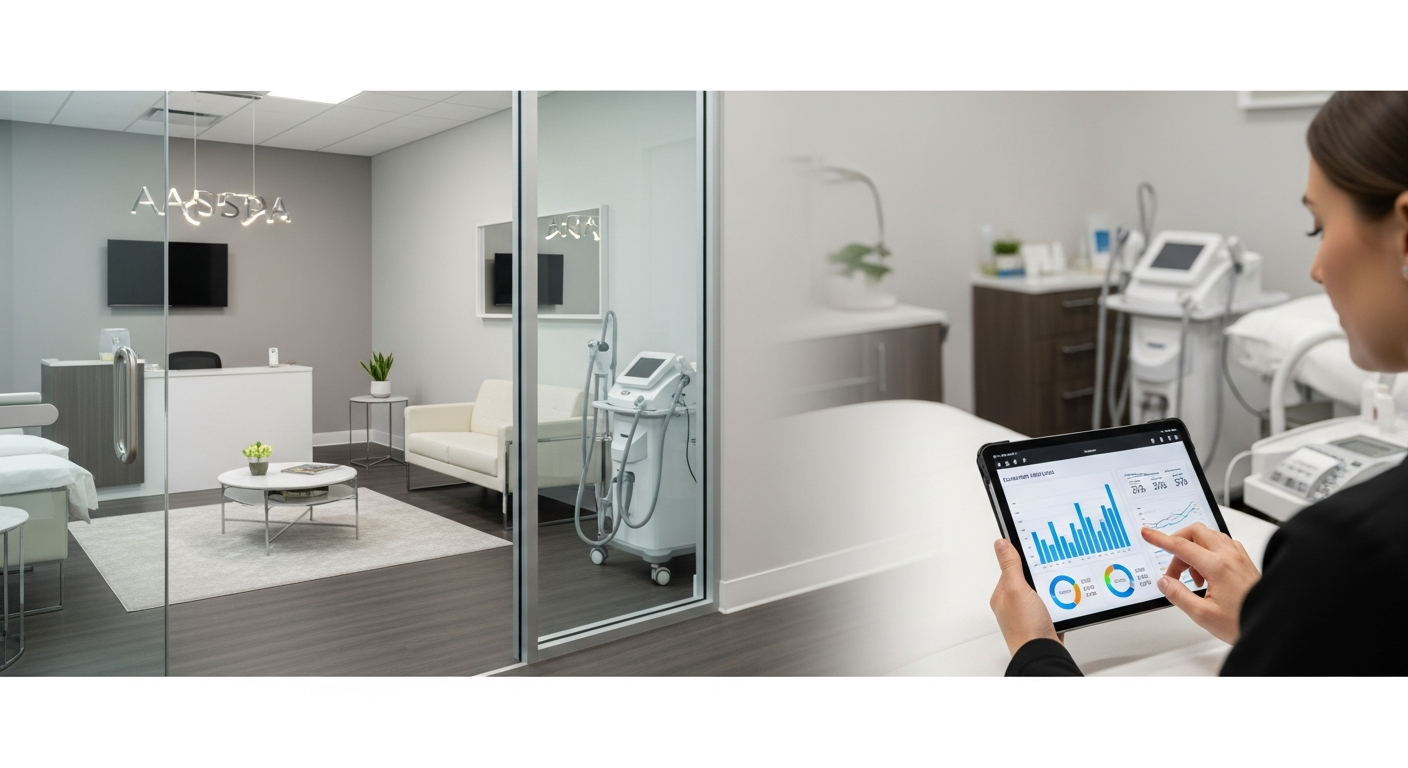
Strategic facility development now prioritizes clinical layout and data integration. Modern med spas utilize electronic medical records (EMR) to track patient retention, lifetime value, and treatment efficacy through quantitative metrics.
Sustainability in the market depends on balancing high-margin services with evidence-based clinical care. As the industry matures, data-driven decision-making will separate market leaders from underperforming clinics.
