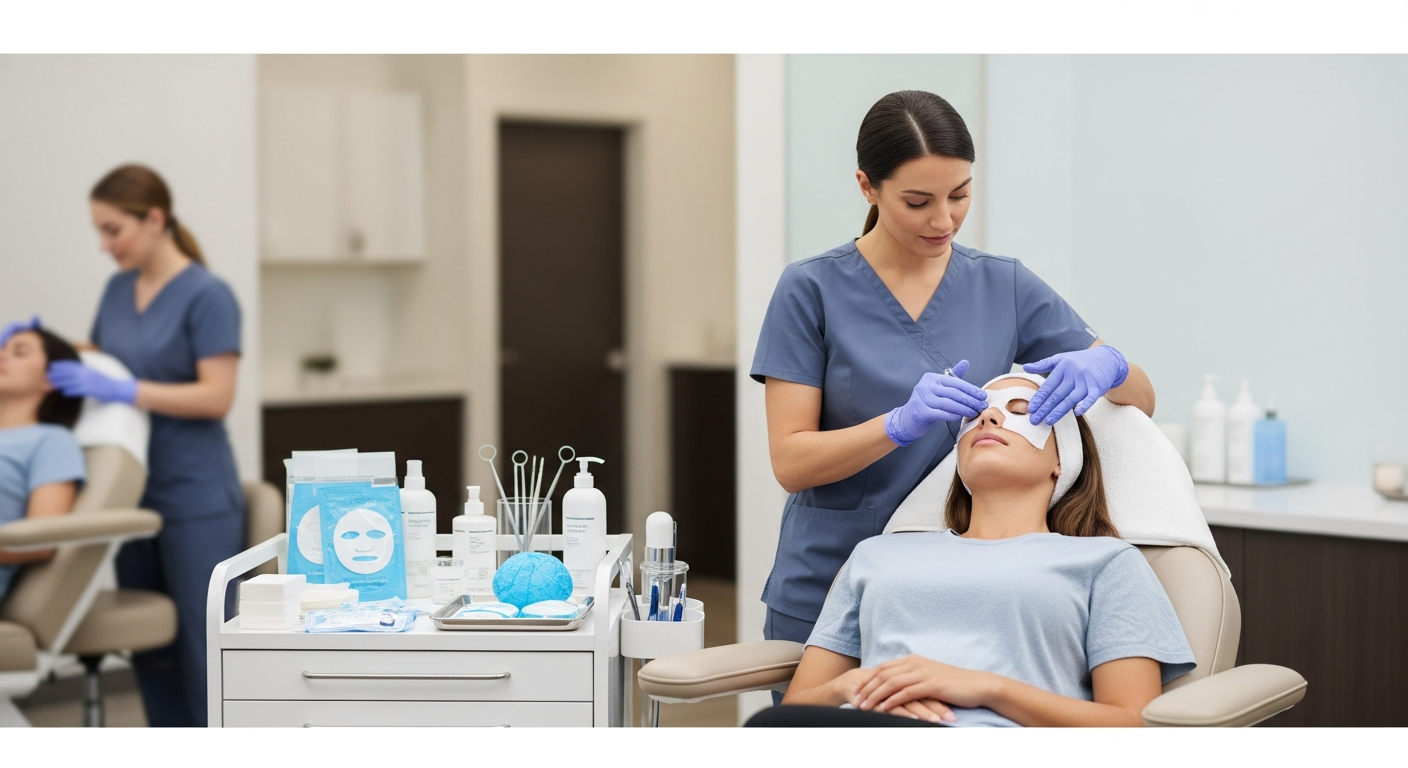
Standardizing Post-Treatment Management in Med Spas
Post-treatment management in med spa environments is the systematic application of clinical protocols designed to monitor and facilitate skin recovery following aesthetic procedures. These standardized systems focus on reducing erythema, managing inflammation, and ensuring patient safety by providing uniform aftercare instructions across all treatment modalities within a clinical setting.
Clinical Importance of Standardized Recovery Systems
Standardizing post-treatment management in med spa settings ensures that every patient receives the same level of clinical oversight. Consistency reduces the risk of adverse events and helps providers distinguish between expected side effects and complications.
A structured workflow allows clinical supervisors to audit recovery outcomes effectively. When protocols are uniform, the medical team can more easily identify patterns in patient healing and adjust clinic-wide settings for better safety.
Consistency also minimizes the reliance on individual provider judgment. By following established clinical pathways, med spas maintain a high standard of care regardless of which aesthetician or nurse performs the initial procedure.
Post-Laser Recovery Protocols
Effective management after laser treatments focuses on heat dissipation and skin barrier protection. Providers must monitor the duration of thermal retention to prevent secondary inflammatory responses in the dermis.
Managing Thermal Energy and Erythema
Reducing skin temperature immediately following a laser procedure is critical for patient comfort and safety. Standardized protocols often involve controlled cooling methods to stabilize the treated area without causing vascular constriction.
Monitoring erythema levels during the first 24 to 48 hours is a key component of post-treatment management. Clinical staff should provide patients with clear visual benchmarks for normal versus abnormal redness.
Microneedling Downtime Management Systems
Microneedling requires a recovery system that prioritizes the restoration of the epidermal barrier. Management focuses on preventing trans-epidermal water loss while the micro-channels close.
Providers should implement a 24-hour “dry period” where the skin remains free from environmental contaminants. This standardized instruction is vital for preventing infections and ensuring the inflammatory response remains productive rather than destructive.
Clinical supervisors must ensure that all patients receive written guidelines regarding physical activity and sun exposure. These factors directly impact the speed of re-epithelialization and overall downtime.
Chemical Peel Aftercare Frameworks
Post-treatment management for chemical peels involves managing the exfoliation process and preventing premature peeling. Protocols must emphasize that the shedding process is a controlled clinical outcome.
Standardized workflows include specific timelines for when patients can resume their regular skincare routines. Clinical management ensures that active ingredients are not reintroduced until the skin barrier has fully recovered.
- Days 1-3: Focus on hydration and gentle cleansing.
- Days 4-7: Monitoring for uniform exfoliation and avoiding mechanical friction.
- Post-Day 7: Gradual reintroduction of maintenance protocols.
Managing Inflammation and Erythema
Differentiating between healthy inflammation and excessive erythema is a core skill in med spa clinical management. Inflammation is a necessary part of the remodeling process but must be kept within specific parameters.
Standardized assessment tools, such as erythema grading scales, help clinical teams communicate effectively about patient progress. This objective data allows for better clinical decision-making during follow-up appointments.
Effective management includes educating the patient on the physiological stages of healing. When patients understand the timeline of inflammation, they are less likely to interfere with the recovery process.
Implementing Clinical Recovery Workflows
Successful post-treatment management in med spa facilities requires a documented workflow for every procedure type. These workflows should be accessible to all clinical staff to ensure administrative and medical alignment.
Each workflow must include a mandatory follow-up schedule, whether via digital check-ins or in-person assessments. Regular monitoring ensures that any deviations from the normal recovery path are addressed promptly.
Documentation is the final pillar of a recovery system. Recording the duration of downtime and the severity of side effects for every patient helps the med spa refine its clinical protocols over time.
