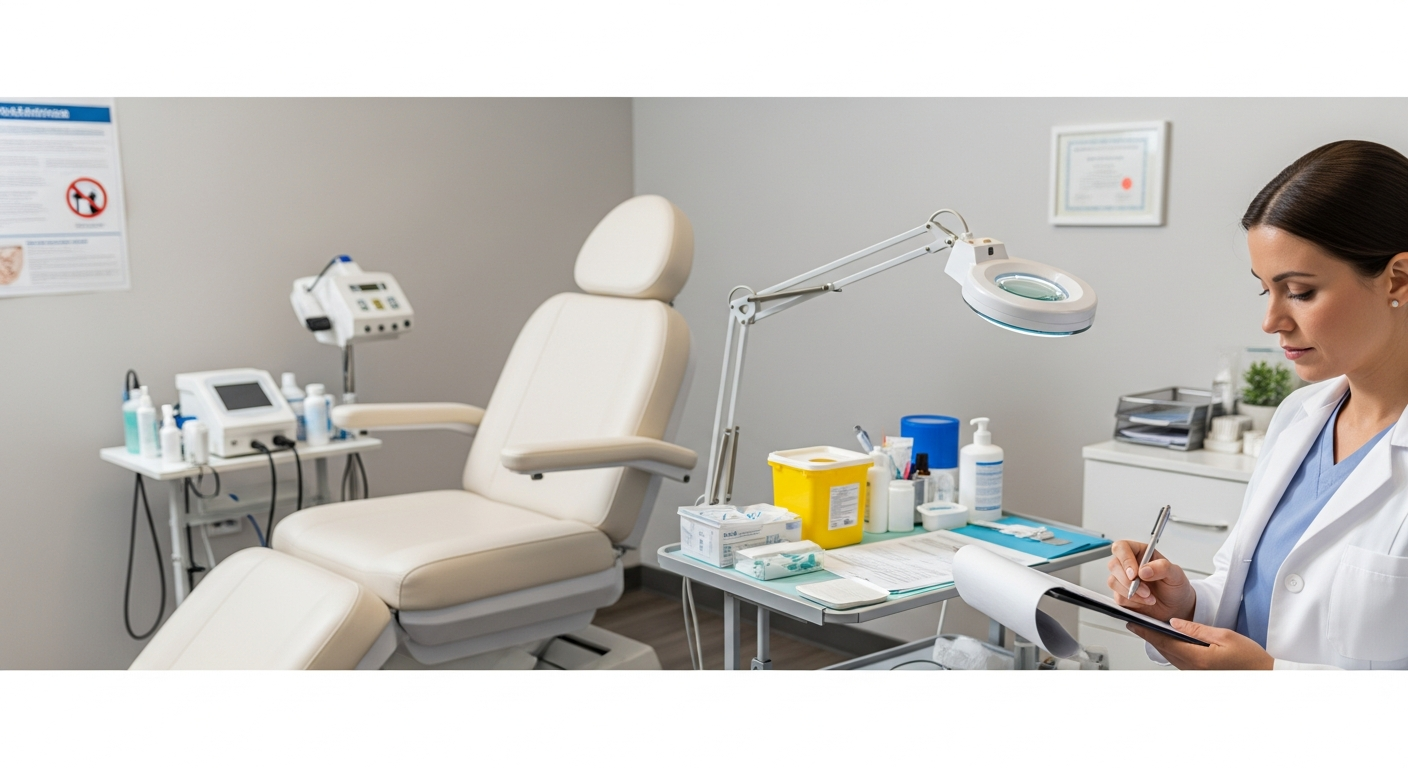
Understanding US Med Spa Regulations and Compliance
Med spa regulations are the state-specific legal frameworks governing aesthetic medical practices, including licensing, medical director oversight, and scope of practice for clinicians. These laws ensure patient safety by requiring that medical procedures, such as neurotoxin injections and laser treatments, are performed or supervised by licensed healthcare professionals according to state medical board standards.
State-Specific Med Spa Regulations and Legal Structures
Every state maintains unique statutes regarding how a medical spa must be owned and operated. Most jurisdictions follow the Corporate Practice of Medicine (CPOM) doctrine, which prohibits non-physicians from owning a medical practice or employing physicians.
Compliance often requires a Management Services Organization (MSO) model to bridge the gap between business owners and medical providers. This structure separates administrative functions from clinical decision-making to satisfy state medical board requirements.
Licensing and Medical Supervision Requirements
A medical spa is considered a medical clinic, meaning it must operate under the license of a designated Medical Director. This individual is responsible for all clinical outcomes and must be a physician, or in some states, a nurse practitioner.
The Role of the Medical Director
The Medical Director provides essential oversight, develops treatment protocols, and ensures that all staff members are properly trained. They are legally accountable for the safety of all medical procedures performed within the facility.
Good Faith Examinations (GFE)
Regulatory standards require a “good faith exam” before any new patient receives a medical treatment. This initial assessment must be performed by a physician, physician assistant, or nurse practitioner to determine the patient’s suitability for the procedure.
Legal Scope of Aesthetic Practice
The scope of practice defines which procedures specific licensed professionals can legally perform based on their credentials. These regulations vary significantly between states for Registered Nurses (RNs), Licensed Practical Nurses (LPNs), and estheticians.
In many states, estheticians are limited to non-invasive skin care and are strictly prohibited from performing injections or deep chemical peels. Compliance depends on ensuring every staff member operates within the limits of their professional license.
Inspection Readiness and Safety Standards
State boards may conduct unannounced inspections to verify that a med spa is adhering to health and safety codes. Facilities must maintain rigorous standards for sterilization, biohazardous waste disposal, and emergency preparedness.
Maintaining an organized environment with clearly labeled medical supplies and up-to-date equipment maintenance logs is critical for passing inspections. Failure to meet these standards can result in heavy fines or the suspension of medical licenses.
Essential Compliance Documentation Basics
Accurate and thorough documentation is the foundation of regulatory compliance in the aesthetic industry. Every patient interaction must be recorded in a HIPAA-compliant manner to protect sensitive health information.
- Standardized SOAP notes for every clinical encounter
- Signed informed consent forms for all medical procedures
- Documented protocols signed by the Medical Director
- Up-to-date professional liability insurance for all providers
Consistent record-keeping not only satisfies regulatory requirements but also provides a vital legal defense in the event of a complication. Compliance documentation should be reviewed quarterly to ensure it reflects current state laws.
