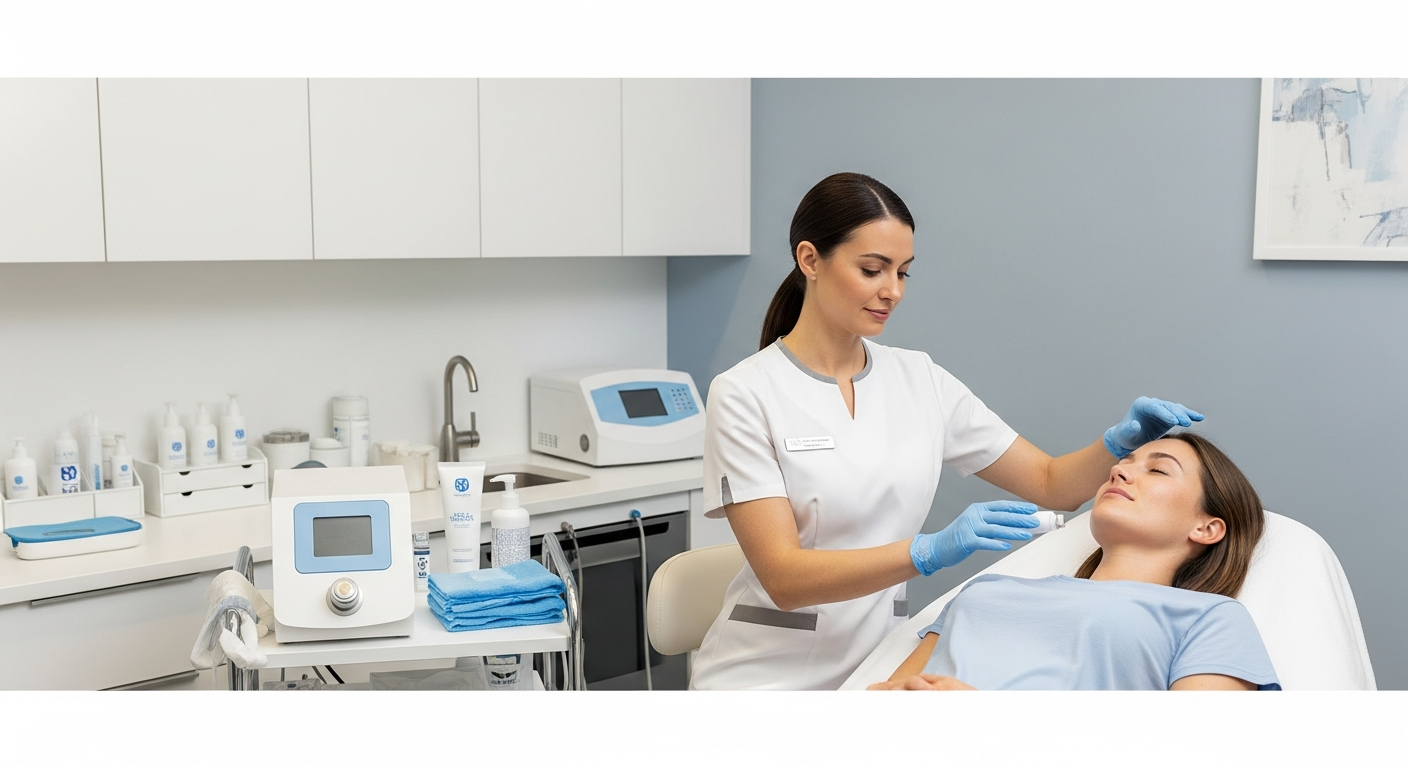
Post-Treatment Management in Med Spas
Post-treatment management in med spa settings refers to the systematic application of clinical protocols designed to monitor recovery and minimize downtime following aesthetic procedures. These standardized workflows ensure consistent patient outcomes by addressing inflammation, erythema, and barrier repair through structured clinical observation and uniform aftercare instructions across all treatment modalities.
The Importance of Standardized Recovery Protocols
Consistency in post-treatment management in med spa environments reduces the risk of adverse events. Standardized protocols ensure that every provider delivers the same clinical guidance regardless of individual experience levels.
A structured system minimizes variation in patient outcomes. By following a set recovery workflow, med spas can maintain high safety standards and predictable healing timelines for every client.
Reducing Provider Subjectivity
Relying on standardized protocols removes guesswork from the recovery phase. When providers follow a fixed clinical pathway, they can more easily identify deviations from normal healing patterns.
Managing Post-Laser Recovery and Erythema
Laser treatments often induce controlled thermal injury, requiring specific post-treatment management in med spa facilities. The primary goals are heat dissipation and the reduction of prolonged erythema.
Clinical protocols should emphasize immediate cooling and the application of occlusive barriers to protect the compromised epidermis. Monitoring for excessive swelling during the first 48 hours is essential for patient safety.
Thermal Regulation and Barrier Protection
Patients must be instructed to avoid additional heat sources that could exacerbate inflammation. Maintaining a cool skin temperature helps stabilize the inflammatory response and accelerates the return to baseline.
Microneedling Downtime Management
Effective post-treatment management in med spa microneedling procedures focuses on the window of micro-channel closure. During this period, the skin is highly susceptible to external irritants and environmental pathogens.
Standard protocols require patients to avoid active ingredients and makeup for a minimum of 24 hours. Hydration focused on non-irritating, biocompatible ingredients supports the natural healing process without triggering sensitivity.
Preventing Secondary Complications
Proper microneedling aftercare emphasizes strict hygiene to prevent infection. Standardized workflows include providing clear, written instructions on how to cleanse the treated area during the initial recovery phase.
Chemical Peel Aftercare Systems
Chemical peel recovery requires a structured approach to manage the exfoliation process. Post-treatment management in med spa settings involves educating patients on the physiological stages of skin shedding.
The clinical focus remains on preventing premature peeling, which can lead to post-inflammatory hyperpigmentation. Protocols should mandate the use of broad-spectrum sun protection and intensive moisture replenishment.
Managing the Desquamation Phase
During the desquamation phase, clinical supervisors must ensure patients understand not to manually disrupt the skin. Consistent messaging across the clinical team prevents patient-induced trauma to the new epidermal layer.
Standardized Clinical Workflows
Integrating post-treatment management in med spa operations requires a formal documentation system. This includes post-procedure check-ins and standardized follow-up timelines to evaluate the healing progress.
A well-defined workflow includes a 24-hour follow-up call to screen for unexpected symptoms. This proactive approach allows the clinical team to intervene early if a patient experiences an abnormal inflammatory response.
Documentation and Incident Reporting
Thorough documentation of the recovery process is vital for clinical oversight. Standardized forms should track the duration of erythema, the degree of edema, and the patient’s adherence to the prescribed aftercare regimen.
