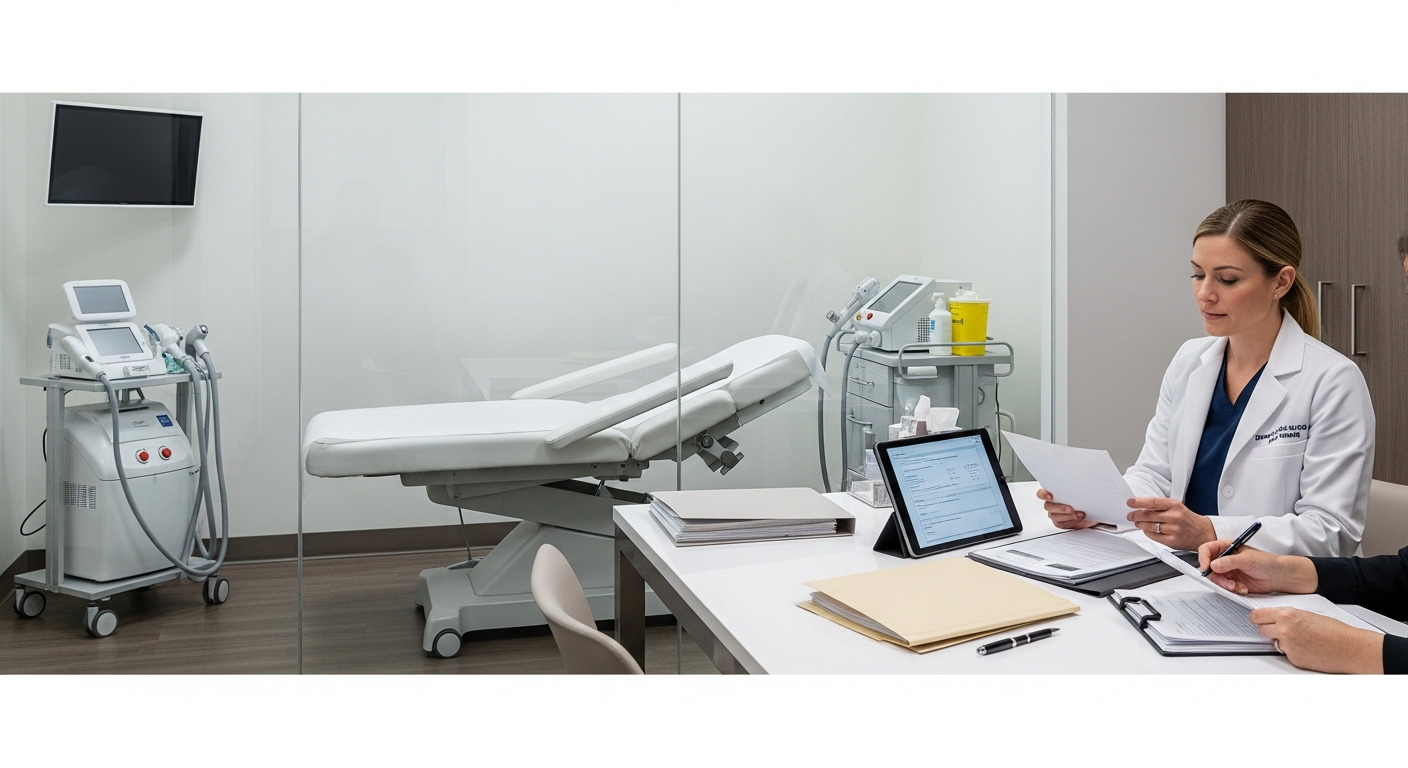
Understanding Med Spa Regulations and Compliance
Med spa regulations are state-specific legal frameworks that govern the ownership, medical supervision, and delivery of aesthetic procedures in the United States. These laws typically require a licensed physician to oversee clinical operations, establish a clear scope of practice for practitioners, and mandate strict adherence to medical record-keeping and facility safety standards.
The Corporate Practice of Medicine Doctrine
Most states follow the Corporate Practice of Medicine (CPOM) doctrine. This legal principle generally prohibits non-physicians or general corporations from practicing medicine or employing physicians.
In CPOM states, a med spa must be owned by a licensed physician or a professional corporation owned by physicians. Non-medical owners often use Management Service Organizations (MSOs) to handle administrative tasks.
Violating CPOM rules can lead to heavy fines, license revocation, and the forced closure of the facility. Understanding your state’s specific ownership requirements is the first step in regulatory compliance.
Medical Supervision and Delegation Requirements
Med spas function as medical practices, meaning all clinical treatments fall under a physician’s license. State boards of medicine dictate how much supervision a medical director must provide.
Supervision can be onsite or remote depending on state-level administrative codes. The medical director is legally responsible for the safety and outcomes of all medical procedures performed by staff.
Clear written protocols must exist for every treatment offered. These protocols outline the specific steps, risks, and contraindications that the performing provider must follow for each patient.
The Importance of the Good Faith Exam
Before any medical treatment is administered, a qualified provider must conduct a “Good Faith Exam” (GFE). This initial assessment establishes the patient-physician relationship and determines treatment suitability.
The GFE must be performed by a physician, physician assistant, or nurse practitioner. In most jurisdictions, a registered nurse or aesthetician cannot perform the initial diagnostic evaluation or prescribe treatment.
State Licensing and Scope of Practice
Regulatory compliance requires every provider to operate within their legally defined scope of practice. This varies significantly between states for nurses, estheticians, and laser technicians.
In many states, estheticians are limited to the epidermis and cannot perform injections or deep chemical peels. Performing medical procedures without the correct license is considered practicing medicine without a license.
Nurses and physician assistants must ensure their specific state board allows them to perform procedures like neurotoxin injections or laser hair removal under delegated authority.
Inspection Readiness and Documentation Standards
Med spas must be prepared for inspections from state medical boards, nursing boards, or health departments. Maintaining rigorous documentation is the best defense against regulatory scrutiny.
Standardized patient charts must include medical histories, signed informed consents, and detailed treatment notes. Every entry should include the date, provider name, and specific products or settings used.
Facility compliance also includes maintaining a sanitary environment and proper hazardous waste disposal. Regular audits of patient files and safety protocols ensure the clinic remains in good standing with regulators.
-
Core Compliance Checklist:
- Verify ownership structure aligns with state CPOM laws.
- Ensure a licensed medical director is active and reachable.
- Perform a Good Faith Exam for every new patient and treatment plan.
- Maintain current professional licenses for all clinical and esthetic staff.
- Keep detailed medical records and signed informed consent forms.
