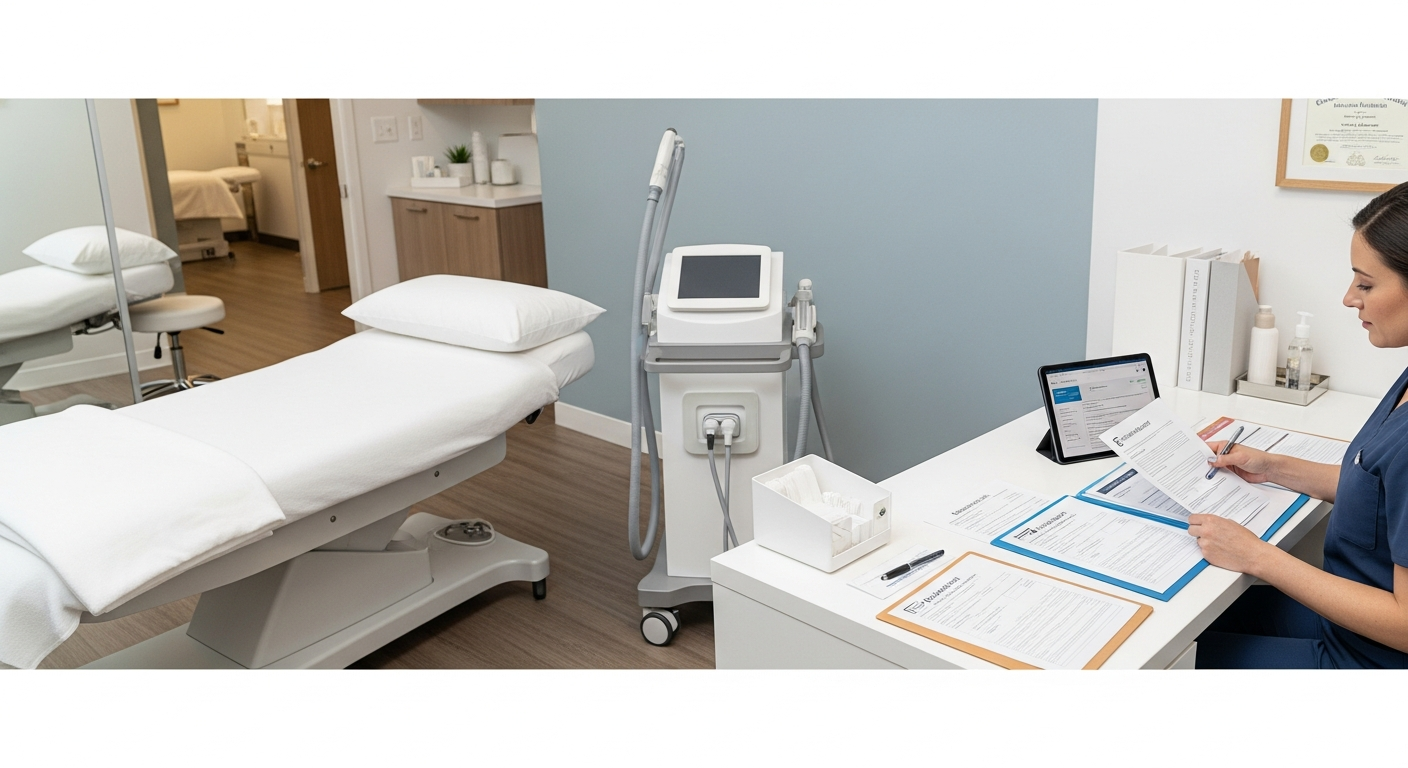
Essential Med Spa Regulations and Compliance Standards
Med spa regulations are state-specific legal frameworks governing the ownership, medical supervision, and operational standards of aesthetic clinics in the United States. These laws typically mandate that medical directors oversee clinical procedures, ensure practitioners work within their legal scope of practice, and maintain strict adherence to healthcare licensing requirements.
The Corporate Practice of Medicine Doctrine
Most states follow the Corporate Practice of Medicine (CPOM) doctrine, which restricts the ownership of medical practices. This rule generally dictates that only licensed physicians or professional corporations owned by physicians can own a med spa.
Non-physician entrepreneurs often utilize Management Service Organizations (MSOs) to remain compliant. An MSO handles administrative functions while the medical entity remains under physician control to satisfy state-level med spa regulations.
Violating CPOM rules can lead to heavy fines, license revocation, or charges of practicing medicine without a license. It is the most critical structural hurdle for new med spa owners.
Medical Supervision and Delegation Requirements
State laws define the level of supervision a medical director must provide for clinical staff. While some states allow off-site supervision, others require a physician to be physically present during certain procedures.
Compliance hinges on the “good faith exam,” which is the initial patient evaluation. A physician, physician assistant, or nurse practitioner must typically perform this exam before any prescription treatments are administered.
Written protocols and standardized procedures are mandatory for delegating tasks to registered nurses or estheticians. These documents must clearly outline the scope of practice and emergency response steps for every clinical treatment offered.
Licensing and Legal Scope of Practice
The legal scope of practice varies significantly between states for different professional licenses. Registered nurses (RNs), nurse practitioners (NPs), and physician assistants (PAs) have different authorities regarding injectables and lasers.
Estheticians are often restricted from performing invasive procedures that penetrate the dermal layer. It is vital to consult the state boards of medicine, nursing, and cosmetology to ensure all staff operate within their legal bounds.
Misrepresenting the qualifications of staff or allowing unlicensed individuals to perform medical procedures is a primary trigger for regulatory investigations. Proper credentialing must be documented and updated regularly.
Inspection Readiness and Compliance Documentation
Regulatory bodies may conduct unannounced inspections to ensure the clinic meets health and safety standards. Maintaining organized, accessible compliance documentation is the only way to prove ongoing adherence to law.
Essential records include patient informed consent forms, medical history evaluations, and detailed treatment logs. HIPAA compliance is also required for the storage and transmission of all protected health information.
Facility standards involve OSHA compliance for bloodborne pathogens and proper biohazard waste disposal. Clinical areas must meet specific sanitation benchmarks to pass state health department inspections during routine audits.
Maintaining Operational Compliance
Compliance is not a one-time setup but an ongoing operational requirement. Regular internal audits of patient charts and protocol reviews help identify potential regulatory gaps before they become legal liabilities.
Staff must receive periodic training on updated state laws and safety protocols. This includes training on adverse event reporting and emergency medical interventions for complications arising from aesthetic treatments.
Working with a compliance expert or healthcare attorney ensures the business adapts to evolving med spa regulations. Staying informed about legislative changes protects the medical director’s license and the business’s longevity.
