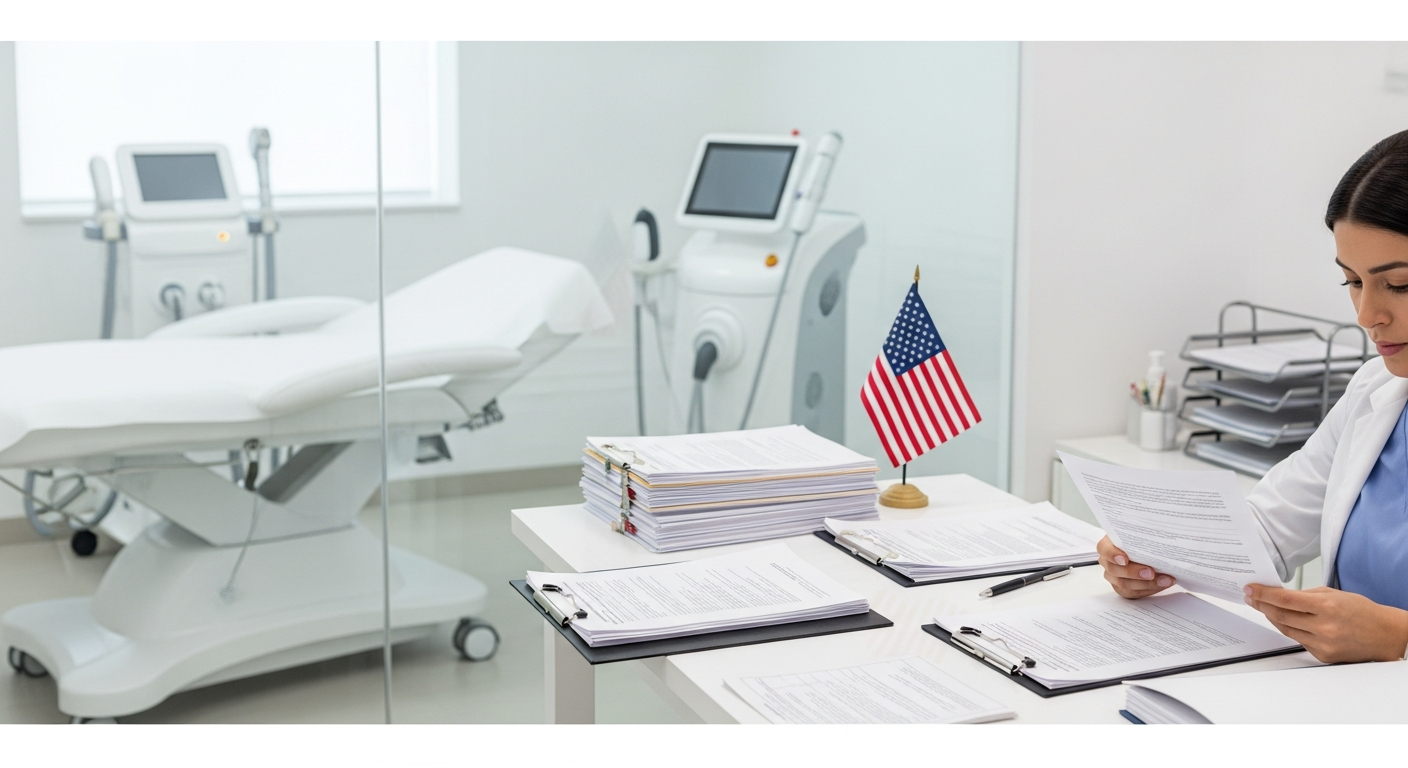
Essential Med Spa Regulations and Compliance Standards
Med spa regulations are the state-specific legal frameworks governing aesthetic medical practices, including licensing, supervision, and scope of practice. These rules ensure that medical spas operate under a licensed physician’s oversight while maintaining clinical safety standards for procedures like injectables and laser treatments within the United States.
Understanding State-Specific Regulatory Frameworks
Med spa regulations vary significantly by state, as there is no single federal governing body.
Most states follow the Corporate Practice of Medicine doctrine, which restricts business ownership.
This doctrine generally requires that only licensed physicians can own a medical practice.
In states like California and Texas, non-physicians may only own a minority share.
Owners often use Management Service Organizations (MSOs) to handle administrative tasks legally.
Compliance requires strictly separating clinical decision-making from business operations.
Physician Supervision and Medical Director Roles
Every med spa must operate under the supervision of a licensed Medical Director.
The Medical Director is responsible for all clinical protocols and patient safety outcomes.
State laws dictate how often the physician must be physically present on-site.
A critical component of supervision is the Good Faith Exam (GFE).
Regulations require a physician, NP, or PA to examine a patient before treatments.
This initial assessment ensures the patient is a safe candidate for medical procedures.
Legal Scope of Aesthetic Practice
Compliance depends on ensuring every practitioner works within their legal scope of practice.
Registered Nurses (RNs) can typically perform injections but require a prior medical assessment.
Estheticians are generally limited to non-invasive treatments that do not breach the dermis.
Using mid-level providers like Nurse Practitioners or Physician Assistants can expand operational hours.
However, delegation of medical tasks must always be documented in writing.
Unauthorized practice of medicine carries severe legal penalties for both the individual and the clinic.
Inspection Readiness and Safety Standards
Med spas must remain ready for unannounced inspections from state medical or nursing boards.
Inspectors review facility cleanliness, equipment maintenance logs, and emergency protocols.
Compliance with OSHA standards for bloodborne pathogens and sharps disposal is mandatory.
Clinics must also adhere to HIPAA regulations regarding the storage of patient health information.
Digital and physical records must be secured to prevent unauthorized access.
Failure to maintain private medical records can lead to significant fines and license suspension.
Mandatory Compliance Documentation Basics
- Standard Operating Procedures (SOPs): Written clinical guidelines for every medical treatment offered.
- Informed Consent Forms: Detailed documents explaining risks, benefits, and alternatives to patients.
- Personnel Files: Current copies of all professional licenses and specialized certifications.
- Adverse Event Logs: Records of any complications and the subsequent clinical response.
Maintaining a culture of compliance protects the longevity of the business entity.
Regular internal audits help identify gaps in documentation before they become legal liabilities.
Prioritizing regulatory adherence ensures patient safety and professional integrity in the aesthetic industry.
