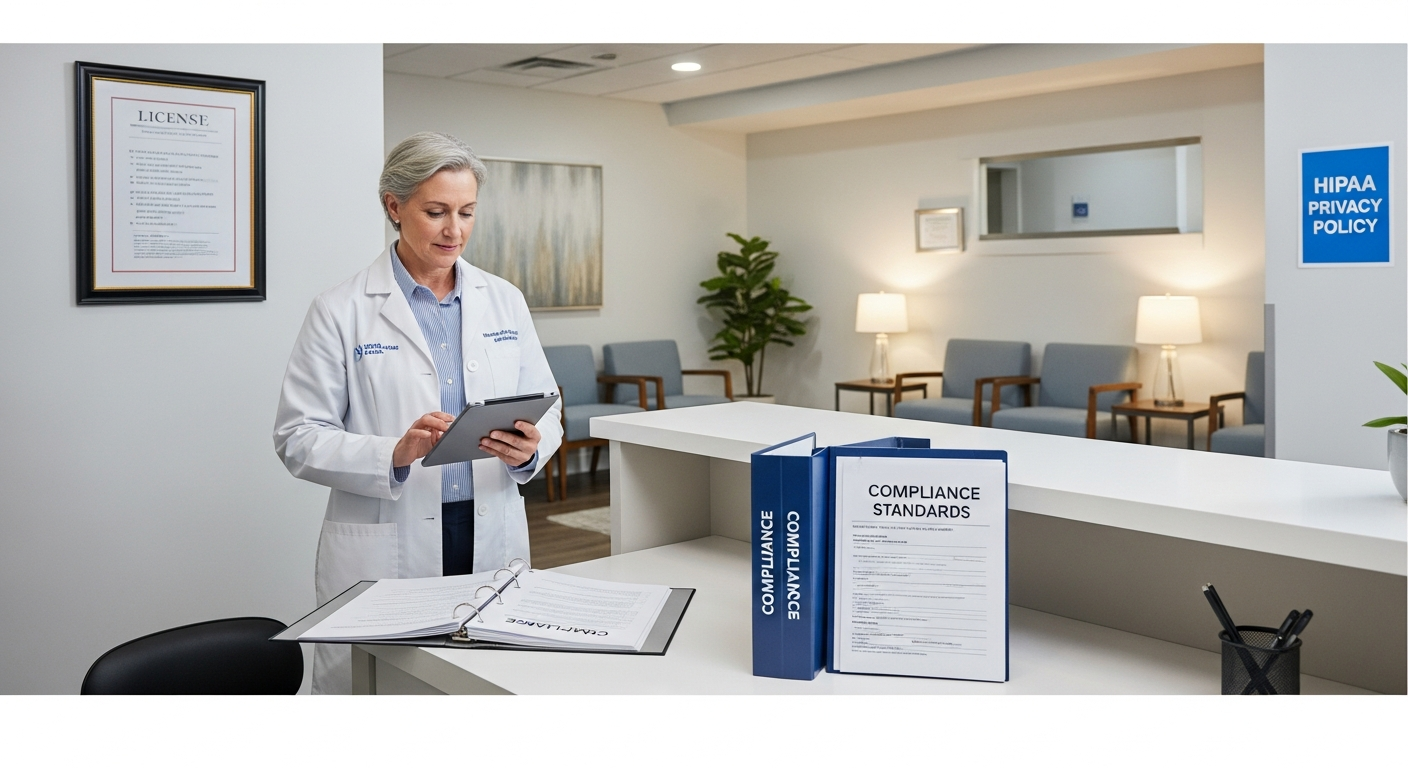
Med Spa Regulations and Compliance Standards in the U.S.
Med spa regulations are state-specific legal frameworks governing the ownership, medical supervision, and clinical operation of aesthetic practices in the United States. These laws determine who can own a clinic, the required level of physician oversight, and the specific licensing necessary for practitioners to perform medical procedures safely and legally.
The Corporate Practice of Medicine and Ownership
The Corporate Practice of Medicine (CPOM) doctrine is a critical component of med spa regulations. This legal principle prevents non-physicians from practicing medicine or owning medical entities in many states.
Non-medical owners often utilize Management Services Organizations (MSOs) to remain compliant. This structure separates administrative business tasks from the clinical decision-making process.
Violating CPOM rules can lead to heavy fines or the loss of medical licenses. Owners must consult state-specific statutes to determine if a physician must hold majority ownership.
Medical Supervision and Licensing Requirements
Every med spa must operate under a licensed Medical Director who oversees all medical treatments. This individual is responsible for the safety and efficacy of all clinical protocols performed.
Supervision requirements vary significantly between states, ranging from on-site presence to remote availability. Practitioners must ensure their specific state board allows for the chosen supervision model.
Medical Directors must be properly licensed in the state where the facility operates. They are legally accountable for the actions of the clinical staff under their supervision.
The Importance of Good Faith Examinations
A Good Faith Exam (GFE) is a mandatory initial assessment required by most state med spa regulations. A physician, NP, or PA must evaluate the patient before any medical treatment.
This examination establishes a formal provider-patient relationship and confirms the treatment’s appropriateness. Skipping this step is a frequent cause of regulatory disciplinary action.
GFEs must be documented in the patient’s medical record before any injections or lasers are used. These exams must typically be repeated at specific intervals or when the treatment plan changes.
Scope of Practice in Aesthetic Medicine
The legal scope of practice defines which procedures specific professionals can perform. Registered Nurses (RNs) and Nurse Practitioners (NPs) often have different authorization levels than estheticians.
Estheticians are typically restricted to non-invasive skin care and cannot perform medical-grade injections. Med spa owners must verify the professional licenses of all staff members regularly.
Performing procedures outside of one’s legal scope is considered practicing medicine without a license. This can result in criminal charges and the permanent closure of the business.
Inspection Readiness and Mandatory Documentation
Maintaining compliance requires thorough documentation of all clinical and administrative activities. This includes detailed patient charts, informed consent forms, and comprehensive treatment records.
Clinics should also maintain updated Standard Operating Procedures (SOPs) for every service offered. Having these documents organized ensures the facility is ready for unexpected state board inspections.
Internal audits should be conducted quarterly to identify any gaps in documentation. Consistent record-keeping is the best defense during a regulatory review.
HIPAA and Patient Privacy Standards
Med spas must adhere to the Health Insurance Portability and Accountability Act (HIPAA) standards. This protects sensitive patient health information from unauthorized access or disclosure.
Compliance involves using secure electronic medical record (EMR) systems and training staff on privacy. Physical records must be stored in locked areas to prevent data breaches.
Failure to protect patient data can result in massive federal penalties and loss of reputation. Privacy protocols must be a core part of the clinic’s operational manual.
