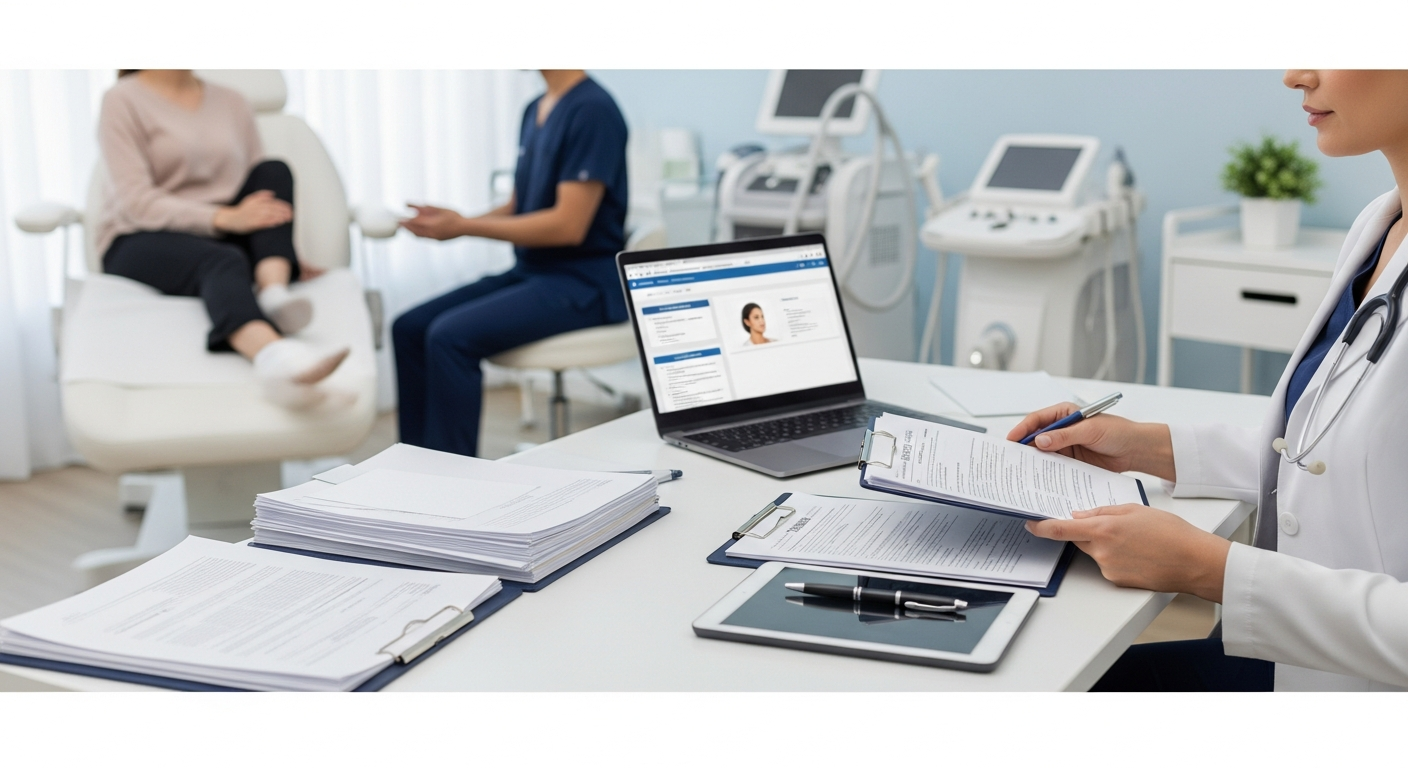
Med Spa Risk Management: Essential Liability Strategies
Med spa risk management is the systematic process of identifying, assessing, and mitigating potential liabilities within an aesthetic medical practice. This framework focuses on standardized informed consent, comprehensive recordkeeping, and formal incident reporting protocols to reduce legal exposure and ensure patient safety during non-surgical cosmetic procedures across the United States.
The Role of Informed Consent in Liability Reduction
Informed consent is the foundation of med spa risk management. It is a communicative process that ensures patients understand the specific risks, benefits, and alternatives of a treatment before proceeding.
Every med spa must use procedure-specific consent forms rather than generic templates. These documents should clearly outline potential side effects, expected outcomes, and post-treatment care requirements to align patient expectations.
Documentation must show that the patient had the opportunity to ask questions. A signed consent form serves as vital evidence that the med spa fulfilled its duty to inform the patient of inherent risks.
Standardizing Med Spa Recordkeeping for Compliance
Consistent recordkeeping is essential for maintaining the standard of care. Every patient interaction, including phone consultations and follow-up checks, must be documented in a chronological and legible format.
Detailed treatment notes should include the specific products used, lot numbers, injection sites, and dosages. Precise documentation allows the medical director to review care quality and defend the clinic during audits or disputes.
High-quality clinical photography is a non-negotiable standard for med spa risk management. Consistent “before and after” photos provide objective evidence of treatment outcomes and protect the facility against unfounded claims of injury.
Developing a Formal Incident Reporting System
A structured incident reporting system allows a med spa to track unexpected events or near-misses. This internal system helps management identify patterns and implement corrective actions before systemic failures occur.
Staff must be trained to report any deviation from standard operating procedures immediately. This includes equipment malfunctions, treatment errors, or patient complaints regarding unexpected physical reactions.
Effective incident reports are factual and objective. They should document exactly what happened, who was involved, and the immediate steps taken to address the situation without assigning blame or speculating on causes.
Frameworks for Handling Adverse Treatment Outcomes
Handling adverse outcomes professionally is critical for liability reduction. When a patient experiences a complication, the med spa must follow a predetermined clinical protocol to manage the medical and emotional aspects.
Prompt communication is necessary to prevent the escalation of a physical complication into a legal claim. The medical director should oversee the clinical response and ensure the patient receives appropriate follow-up care instructions.
Documentation of the adverse event must be thorough. It should include the clinical assessment of the complication, the remedial treatments provided, and all subsequent communications with the patient until the issue is resolved.
Maintaining Operational Safeguards
Operational safeguards include regular audits of patient charts and staff credentials. Ensuring that all practitioners operate within their state-defined scope of practice is a primary requirement for med spa risk management.
Facility-wide training on emergency protocols ensures that the team is prepared for rare but serious reactions. Consistent education on safety standards reduces the likelihood of human error during complex aesthetic procedures.
By integrating these documentation systems, med spa owners can build a robust defense against litigation. Structured oversight and meticulous recordkeeping transform risk management from a reactive task into a proactive business strategy.
