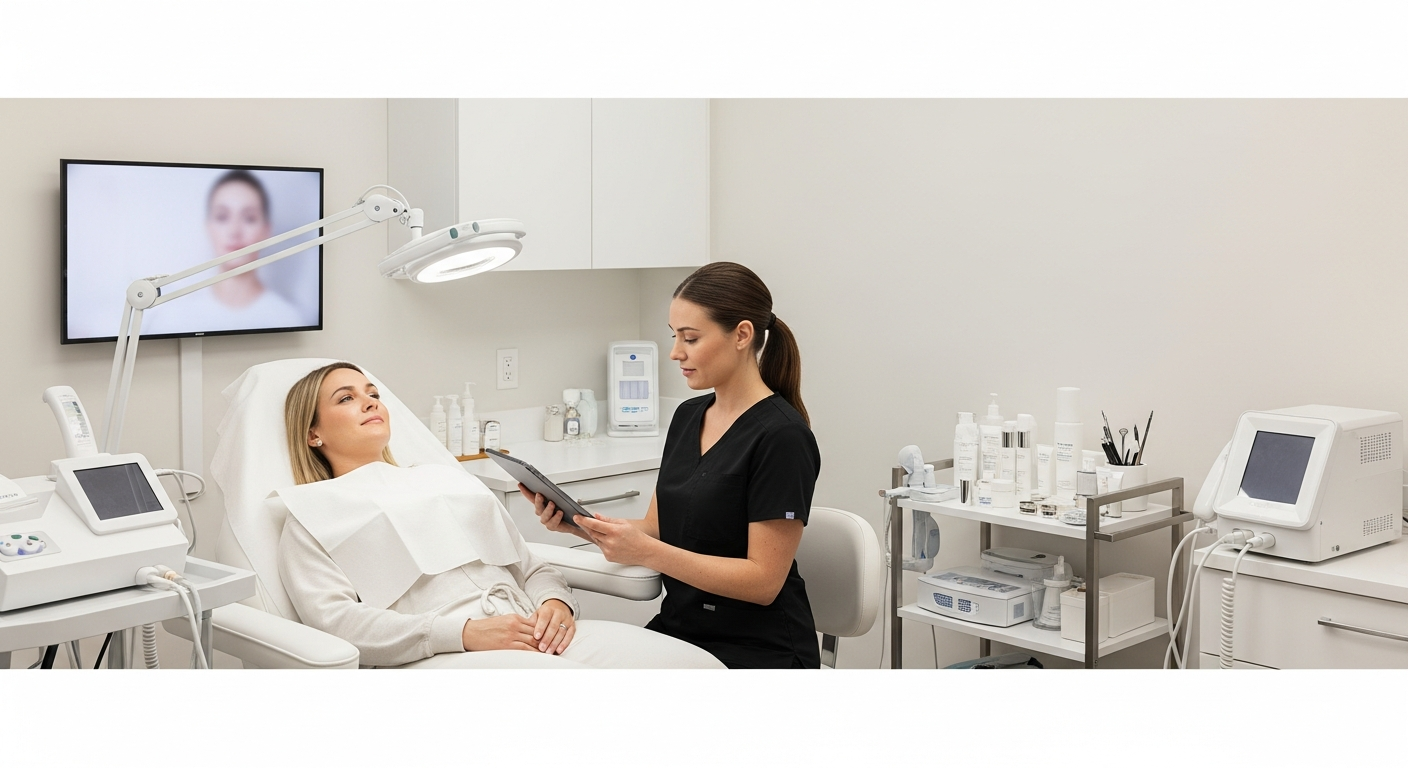
Post-Treatment Management in Med Spa Clinical Settings
Post-treatment management in med spa facilities involves the systematic application of clinical protocols to oversee patient recovery after aesthetic procedures. This management framework focuses on mitigating adverse effects, controlling inflammation, and standardizing healing timelines through structured follow-up care to ensure consistent clinical results across all providers.
Standardized Recovery Protocols for Laser Procedures
Effective post-treatment management in med spa settings begins with heat dissipation. Laser procedures induce controlled thermal injury, requiring immediate cooling to prevent extended erythema.
Clinical supervisors must implement workflows that prioritize thermal regulation. Standardizing these steps ensures that every patient receives uniform care regardless of the treating technician.
Recovery systems should emphasize the preservation of the skin barrier. Utilizing occlusive measures helps prevent transepidermal water loss during the critical forty-eight-hour window following a laser session.
Microneedling and Chemical Peel Downtime Systems
Managing downtime after microneedling requires a focus on inflammatory response control. Structured protocols ensure that the micro-channels created during treatment heal without secondary infection or irritation.
For chemical peels, post-treatment management in med spa environments revolves around exfoliation timing. Providers must instruct patients on mechanical vs. chemical shedding to avoid premature peeling.
- Barrier Repair: Use of bland emollients to support the lipid layer.
- Sun Avoidance: Strict protocols for UV protection during the vulnerable healing phase.
- Hydration: Maintaining cellular moisture levels to facilitate faster re-epithelialization.
Managing Clinical Inflammation and Erythema
Inflammation is a natural part of the wound-healing cascade, but it must be monitored. Clinical protocols should define the difference between therapeutic erythema and persistent redness.
Med spa providers use cooling interventions and topical anti-inflammatory measures to stabilize the skin. Standardizing these interventions reduces the risk of post-inflammatory hyperpigmentation.
Documentation is essential for managing recovery. Recording the duration and intensity of redness allows clinical supervisors to adjust treatment parameters for future sessions.
Establishing Clinical Workflow Consistency
Consistency in post-treatment management in med spa operations removes the risks associated with individual judgment. Every provider should follow the same recovery checklist for every patient.
Standardized workflows include scheduled follow-up communications to assess healing milestones. This proactive approach identifies potential complications early, such as prolonged edema or unexpected sensitivity.
Essential Elements of Clinical Recovery Systems:
- Written Instructions: Providing clear, non-technical aftercare guides to every patient.
- Follow-up Logs: Maintaining detailed records of the patient’s healing progress.
- Standardized Kits: Using pre-selected recovery components to eliminate provider variation.
By focusing on these systems, med spas can ensure a higher standard of safety. Proper management reduces downtime and improves the overall clinical integrity of the facility.
