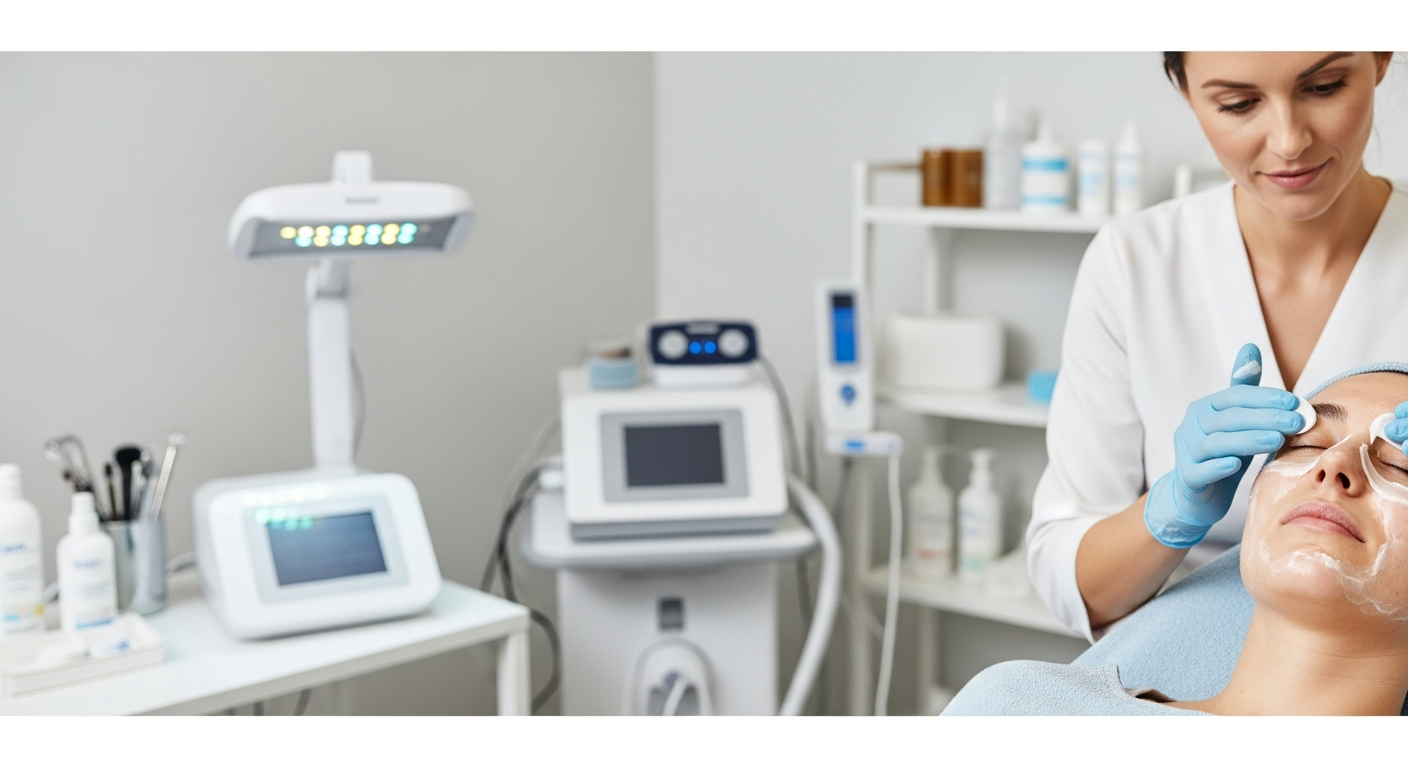
Post-Treatment Management in Med Spa Operations
Post-treatment management in med spa settings refers to the standardized clinical protocols used to stabilize skin barrier function and minimize erythema following aesthetic procedures. These systematic recovery workflows ensure patient safety, reduce downtime, and provide consistent clinical outcomes by managing inflammatory responses after laser treatments, microneedling, and chemical resurfacing.
Standardized Recovery Workflows for Laser Procedures
Effective post-treatment management in med spa environments begins with immediate thermal stabilization. After non-ablative or ablative laser services, the primary goal is to mitigate residual heat and prevent prolonged edema through structured cooling phases.
Clinicians must follow a timeline-based recovery system that monitors the resolution of erythema. Standardized workflows ensure every provider applies the same cooling duration and barrier protection to prevent complications like post-inflammatory hyperpigmentation.
Managing Inflammation and Erythema
Reducing inflammation requires a controlled environment where the skin can return to a normal temperature range. Providers use specific cooling intervals to manage the vascular response triggered by thermal energy during the procedure.
Consistency in managing redness involves documented observation of the skin’s reactive state. Protocols should dictate the exact point at which a patient is cleared to leave the clinical environment based on visual benchmarks.
Microneedling Downtime Management Systems
In a professional med spa, microneedling recovery focuses on the rapid restoration of the epidermal barrier. Because the procedure creates micro-channels, the management system must prioritize preventing exogenous irritants from entering the skin.
Standardized protocols for microneedling include strict “dry periods” followed by the application of biocompatible occlusives. This systemic approach reduces the risk of granulomas and ensures that the healing process remains on track.
Protecting the Skin Barrier Post-Injury
Post-treatment management in med spa facilities emphasizes the “window of vulnerability” immediately following mechanical injury. Providers must instruct patients on specific cleansing techniques that do not disrupt the forming seal of the epidermis.
The use of standardized barrier protection ensures that the transepidermal water loss is kept to a minimum. This clinical step is vital for reducing the overall duration of social downtime for the patient.
Clinical Aftercare Systems for Chemical Peels
Chemical peel recovery requires a highly structured system to manage the desquamation process. Med spas must provide clear guidelines on managing the transition from the initial acid application to the eventual shedding of the stratum corneum.
The protocol should focus on pH neutralization and subsequent hydration strategies. Standardizing this process prevents patients from prematurely removing peeling skin, which can lead to scarring or uneven texture.
Controlling Controlled Desquamation
Clinical supervisors oversee the management of peeling to ensure that the exfoliation remains within the expected depth. Providers must use a consistent monitoring system to track the progression of the peel over a seven-day period.
Structured follow-up touchpoints allow the clinic to verify that the patient is adhering to the non-intervention rule. This prevents the most common complications associated with advanced chemical resurfacing.
Implementing Protocol Consistency in the Clinic
The success of post-treatment management in med spa settings relies on removing individual provider preference. Clinical manuals should detail every step of the recovery process to ensure all patients receive the same level of care.
Consistency reduces the likelihood of adverse events and simplifies the troubleshooting process for clinical directors. When every provider follows the same recovery workflow, the facility can more accurately predict healing times and patient outcomes.
- Standardized cooling: Ensures uniform reduction of thermal stress.
- Barrier restoration: Minimizes transepidermal water loss after injury.
- Documented follow-ups: Tracks the resolution of expected side effects.
- Patient education: Provides clear, non-negotiable instructions for home care.
