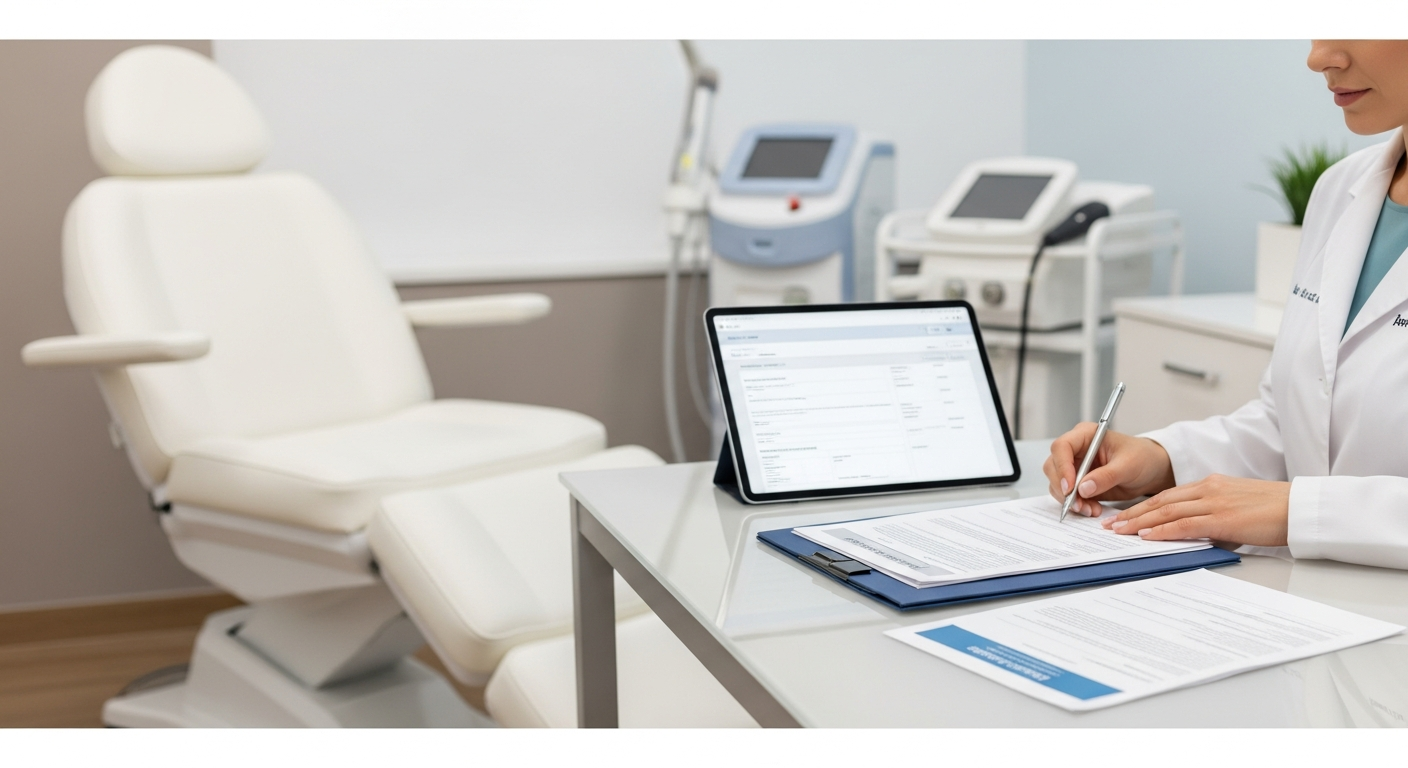
Med Spa Regulations: A Compliance Guide for U.S. Owners
Med spa regulations are the state-specific legal frameworks governing aesthetic medical practices, focusing on licensing, medical supervision, and scope of practice. These laws ensure that clinical treatments like injectables and lasers are performed under a medical director’s oversight, maintaining patient safety and adherence to corporate practice of medicine doctrines across the United States.
Understanding State-Specific Med Spa Laws
Every state maintains unique statutes regarding the operation of medical aesthetic clinics.
Most jurisdictions follow the Corporate Practice of Medicine (CPOM) doctrine.
This prevents non-physicians from owning medical practices or interfering with clinical decisions.
Licensing and Medical Supervision Requirements
The Role of the Medical Director
A licensed physician must serve as the medical director to oversee all medical treatments.
They are responsible for clinical protocols, emergency procedures, and staff training.
Some states require the director to be physically present or on-site at specific intervals.
The Good Faith Examination (GFE)
Regulations require a physician or mid-level provider to evaluate every new patient.
This exam must occur before any medical treatment, such as neurotoxins, is administered.
Documenting this initial encounter is a critical component of regulatory compliance.
Legal Scope of Aesthetic Practice
Compliance depends on understanding what each professional license type is permitted to perform.
Registered Nurses (RNs) and Physician Assistants (PAs) have specific delegation rules.
Licensed aestheticians are typically limited to non-invasive, surface-level skin treatments.
Inspection Readiness and Documentation Basics
Standard Operating Procedures (SOPs)
State boards require written protocols for every medical procedure offered at the facility.
These SOPs must be reviewed annually and signed by the medical director.
Compliance Record Keeping
Maintain detailed logs for device maintenance, laser safety, and sterilization processes.
Ensure all patient records are stored in HIPAA-compliant electronic medical record systems.
Keep personnel files updated with current professional licenses and training certifications.
Maintaining Long-Term Regulatory Compliance
Regulatory environments change frequently as new aesthetic technologies and treatments emerge.
Owners should conduct quarterly internal audits to identify and mitigate potential risks.
Prioritizing legal adherence protects the clinic’s license and ensures long-term patient safety.
