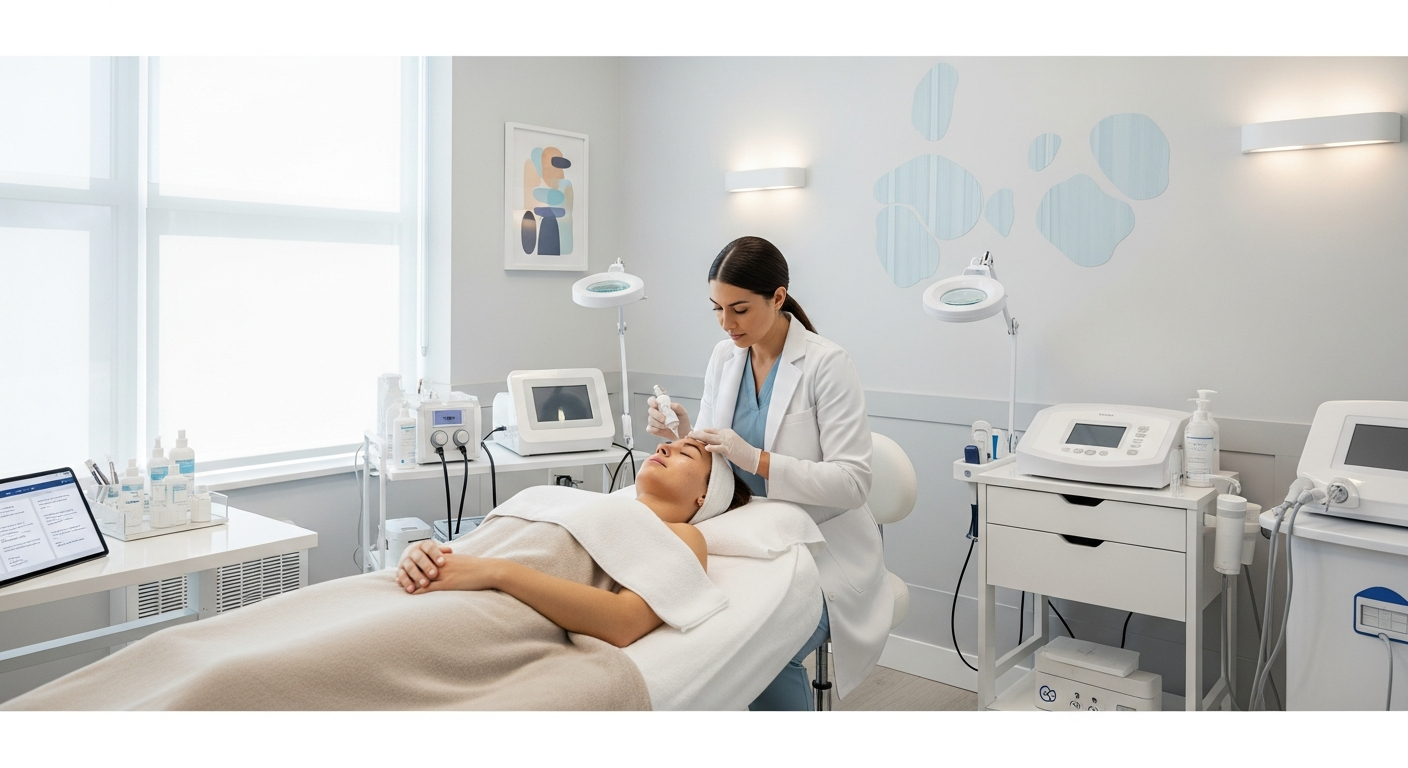
Post-Treatment Management in Med Spas: Clinical Protocols
Post-treatment management in med spa facilities refers to the systematic clinical protocols used to monitor and support skin healing following minimally invasive aesthetic procedures. These standardized recovery systems focus on stabilizing the skin barrier, reducing inflammation, and managing downtime for treatments such as lasers, microneedling, and chemical peels to ensure consistent patient outcomes.
Standardized Laser Recovery Protocols
Effective post-treatment management in med spa settings begins with immediate thermal regulation after laser procedures. Clinical staff must implement cooling measures to dissipate residual heat and prevent prolonged erythema.
Standardized workflows include applying occlusive barrier protection to prevent transepidermal water loss. Providers must ensure that every patient receives the same clinical instructions regarding heat avoidance and sun protection.
Consistency in laser recovery reduces the risk of post-inflammatory hyperpigmentation. By following a rigid clinical timeline, med spas can better predict the resolution of expected side effects.
Microneedling Downtime Management
Post-treatment management in med spa environments for microneedling focuses on the closure of micro-channels. Clinical protocols usually restrict the application of non-sterile substances for the first twenty-four hours.
Standardized systems emphasize gentle cleansing and hydration using non-irritating formulas. Managing the inflammatory response is critical during the first forty-eight hours to promote healthy collagen remodeling.
Providers must document the reduction of edema and redness according to a set clinical scale. This ensures that the recovery process remains within the expected parameters for the specific needle depth used.
Chemical Peel Aftercare Systems
Management of chemical peel recovery requires a structured approach to the exfoliation cycle. Med spas utilize standardized protocols to prevent patients from prematurely disrupting the desquamation process.
The primary clinical goal is maintaining pH balance and skin hydration while the epidermis regenerates. Standardized workflows ensure that patients do not use active acids or retinoids during the vulnerable healing phase.
Clinical supervisors should enforce a protocol that includes specific check-in intervals. This allows the med spa to monitor for signs of abnormal irritation or delayed healing across all patient demographics.
Managing Inflammation and Erythema
Post-treatment management in med spa facilities requires a proactive approach to managing the vascular response. Inflammation is a natural part of wound healing but must be kept within therapeutic limits.
Clinical protocols often involve the use of cold compresses or specialized soothing agents to stabilize the skin. Reducing erythema quickly improves patient comfort and satisfaction with the clinical experience.
Standardized assessment tools help providers distinguish between normal inflammatory responses and potential complications. Consistency in these assessments is the hallmark of a high-quality clinical environment.
Standardized Recovery Workflows in Med Spas
The success of post-treatment management in med spa operations depends on protocol consistency over individual provider judgment. Standardized workflows ensure that every patient receives the same high level of clinical care.
- Written Discharge Instructions: Standardized forms provided to every patient to eliminate verbal ambiguity.
- Follow-up Scheduling: Mandatory clinical touchpoints at twenty-four and seventy-two hours post-procedure.
- Complication Triage: A predefined clinical path for managing unexpected reactions or prolonged downtime.
Implementing these systems reduces operational variability and enhances the safety profile of the facility. Clinical supervisors should regularly audit these workflows to maintain high standards of post-treatment care.
