Post-Treatment Management in Med Spa Clinical Operations
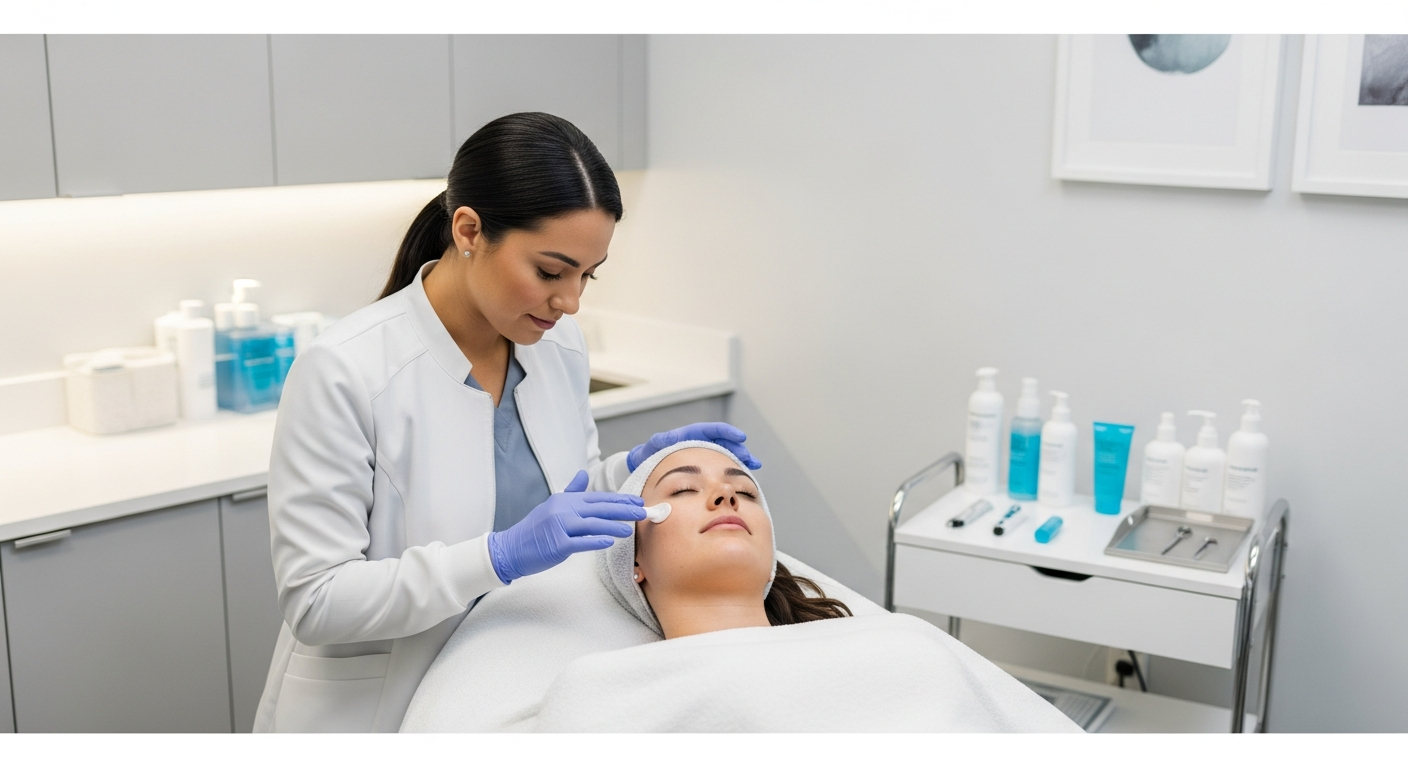
Post-treatment management in med spa settings refers to the standardized clinical protocols used to monitor recovery, reduce downtime, and manage inflammation following aesthetic procedures. These systems ensure consistent patient outcomes after laser treatments, microneedling, and chemical peels by prioritizing uniform healing instructions and clinical observation across the entire provider team.
Standardized Recovery for Laser Procedures
Effective post-treatment management in med spa environments begins with immediate thermal regulation. Lasers induce controlled heat, making erythema and edema the primary clinical concerns during the first 48 hours.
Clinical supervisors must enforce protocols that focus on heat dissipation and barrier preservation. Standardizing these steps prevents the provider-to-provider variability that can lead to avoidable complications like post-inflammatory hyperpigmentation.
Recovery workflows should include specific intervals for patient follow-up. Documentation must capture the progression of redness and the integrity of the skin barrier to ensure the healing trajectory remains within expected parameters.
Microneedling Downtime and Inflammation Control
Microneedling requires a precise post-treatment management system centered on micro-channel closure. Within a med spa, the clinical focus remains on preventing environmental contamination while the skin remains permeable.
Standardized instructions should emphasize the avoidance of active ingredients for a minimum of 72 hours. Managing inflammation involves keeping the treatment area hydrated and protected from friction or mechanical irritation.
Providers must be trained to distinguish between normal inflammatory responses and early signs of adverse reactions. Utilizing a uniform clinical assessment tool ensures that every patient receives the same level of post-procedure oversight.
Chemical Peel Aftercare Systems
Post-treatment management for chemical peels focuses on the controlled desquamation process. Med spa protocols must strictly govern how patients manage the peeling phase to avoid premature exfoliation and scarring.
Standardized workflows include providing clear timelines for when peeling should begin and end. Clinical staff should use a consistent checklist to evaluate the depth of the peel during follow-up appointments.
Systematizing the use of gentle cleansers and broad-spectrum sun protection is essential. Removing individual provider judgment from these basic instructions ensures that all patients follow the same safety-first recovery path.
Managing Erythema and Edema
Erythema is a common byproduct of many med spa treatments, yet its duration must be carefully monitored. Post-treatment management protocols provide the framework for identifying when redness exceeds the normal clinical window.
Edema management requires consistent application of cooling measures and specific sleeping positions. Standardizing these recommendations across the med spa reduces patient anxiety and improves the overall clinical experience.
Clinical supervisors should audit post-treatment logs to ensure that inflammatory responses are being documented accurately. This data allows for the refinement of clinical protocols based on observed recovery trends within the facility.
Importance of Protocol Consistency
In a professional med spa, post-treatment management must rely on institutionalized systems rather than individual provider preferences. Consistency reduces the risk of error and ensures predictable patient outcomes across all locations.
Standardized recovery manuals should be available to all aesthetic providers and clinical assistants. These documents serve as the definitive guide for managing downtime and responding to common patient concerns post-procedure.
By prioritizing a system-based approach to recovery, med spas can maintain a high standard of care. This focus on clinical management ensures that every procedure is followed by a safe and structured healing process.
