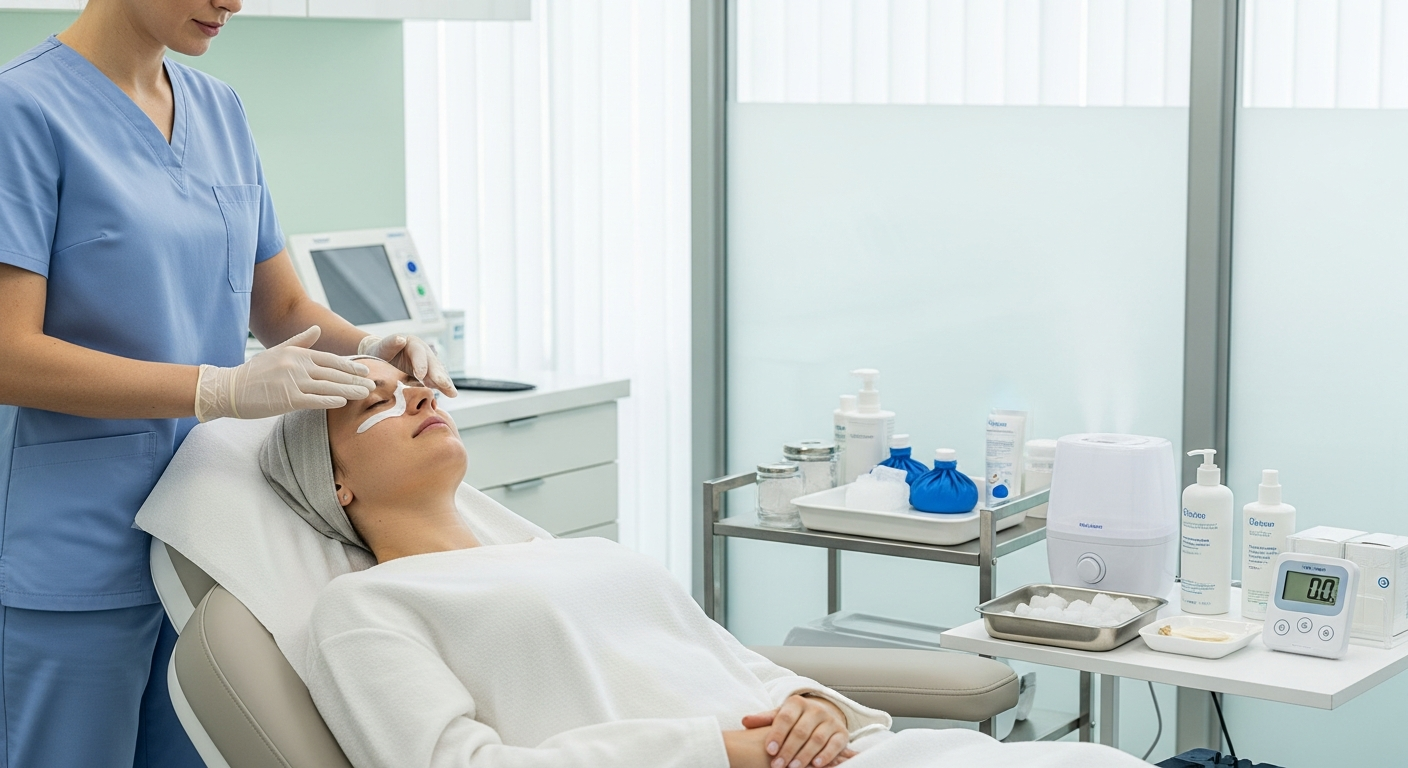
Clinical Protocols for Post-Treatment Management in Med Spas
Post-treatment management in med spa environments is the systematic application of standardized recovery protocols designed to minimize downtime and prevent complications after aesthetic procedures. These clinical systems ensure uniform patient care through structured workflows for inflammation control, barrier protection, and physiological monitoring across all laser, microneedling, and chemical peel treatments.
Standardized Recovery Workflows for Aesthetic Procedures
Consistency in post-treatment management in med spa settings reduces the risk of adverse events. Standardized workflows ensure every provider follows the same clinical steps.
Clinical supervisors must establish written guidelines for every procedure performed. These protocols dictate the immediate cooling phase and the subsequent home-care monitoring period.
By removing individual provider judgment from the recovery phase, clinics maintain a higher safety profile. This structure ensures that patient outcomes remain predictable and measurable.
Post-Laser Recovery and Thermal Management
Managing the thermal response is the primary goal of post-laser recovery protocols. High-intensity light treatments require immediate intervention to dissipate residual heat.
Clinical protocols usually prioritize active cooling via cold compresses or specialized cooling devices. This prevents prolonged heat retention that could lead to post-inflammatory hyperpigmentation.
Providers must monitor the duration of erythema as a key clinical indicator. If redness persists beyond the expected window, the standardized escalation protocol is triggered.
Microneedling Downtime and Barrier Protection
Post-treatment management in med spa microneedling focuses on protecting the compromised skin barrier. The creation of micro-channels requires a sterile environment during the initial healing.
Standardized aftercare systems prohibit the use of active ingredients for a specific timeframe. This prevents irritation and allergic contact dermatitis during the inflammatory phase.
Clinics use standardized hydration protocols to support re-epithelialization. Providers must educate patients on strict adherence to these barriers to prevent transepidermal water loss.
Chemical Peel Aftercare Systems
Chemical peel recovery requires a structured approach to managing desquamation and sensitivity. The depth of the peel dictates the intensity of the recovery protocol.
Med spa protocols for peels emphasize gentle cleansing and heavy occlusion. This protects the vulnerable new skin layers as the damaged stratum corneum sheds.
Strict UV protection protocols are mandatory components of chemical peel management. Providers must verify patient understanding of sun avoidance to prevent rebound pigmentation issues.
Managing Post-Procedure Inflammation and Erythema
Inflammation is a natural response to aesthetic procedures, but it must be controlled. Standardized protocols help differentiate between healthy inflammatory responses and potential complications.
Providers utilize clinical observation tools to grade erythema levels post-treatment. This data is recorded in the patient chart to track the rate of resolution.
Clinical management systems often include a 24-hour follow-up contact for high-intensity treatments. This ensures that any unexpected inflammation is identified and managed immediately.
The Role of Protocol Consistency
- Reduces variation between different aesthetic providers.
- Ensures patient safety through evidence-based recovery steps.
- Provides clear benchmarks for normal versus abnormal healing.
- Simplifies staff training for post-procedure clinical support.
Effective post-treatment management in med spa facilities relies on these rigid systems. When recovery is standardized, the clinic can ensure a higher standard of care.
