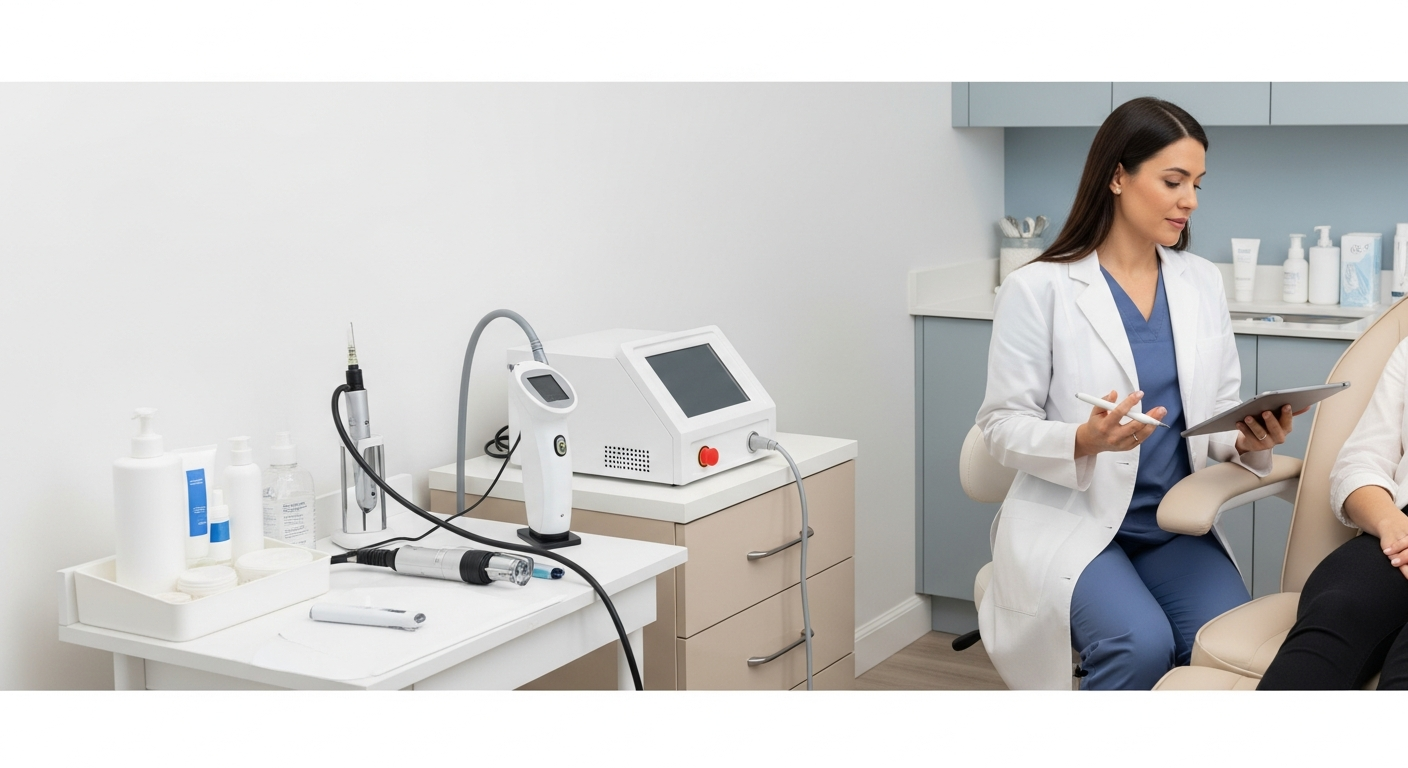
Post-Treatment Management in Med Spa Clinical Settings
Post-treatment management in med spa environments is the application of standardized clinical protocols designed to monitor skin healing and minimize complications after aesthetic procedures. These systems ensure consistent recovery across laser, microneedling, and chemical peel treatments by prioritizing inflammation control, barrier restoration, and structured follow-up workflows for aesthetic providers.
Standardizing Post-Laser Recovery Protocols
Effective post-treatment management in med spa facilities begins with immediate thermal regulation. Lasers induce controlled heat, necessitating protocols that prioritize cooling the tissue to prevent secondary thermal injury.
Clinical workflows must emphasize heat dissipation during the first 24 hours. Providers should instruct patients to avoid activities that increase internal body temperature, which could exacerbate erythema and prolong recovery times.
Standardized barrier protection is the second phase of laser recovery. Protocols should focus on occlusive or semi-occlusive environments that prevent transepidermal water loss while the basement membrane repairs itself.
Microneedling Downtime and Inflammation Management
Post-treatment management in med spa settings for microneedling focuses on the inflammatory cascade. While controlled inflammation is the goal, excessive swelling can lead to patient discomfort and delayed healing.
Clinical supervisors should implement a strict 24-hour “clean skin” protocol. This ensures the micro-channels created during the procedure remain free of environmental pollutants and non-sterile substances until the skin barrier closes.
Management systems must include specific instructions for managing pinpoint bleeding and subsequent crusting. Standardizing these steps ensures patients do not prematurely disrupt the healing tissue, which reduces the risk of post-inflammatory hyperpigmentation.
Chemical Peel Aftercare and Erythema Control
Chemical peel recovery requires a systems-based approach to desquamation. Post-treatment management in med spa clinics must account for varying depths of exfoliation and the resulting inflammatory response.
Managing erythema is the primary clinical objective following a peel. Providers should utilize standardized assessment tools to distinguish between normal therapeutic redness and signs of potential chemical burns or adverse reactions.
Protocols must strictly forbid manual exfoliation by the patient. Standardizing the timeline for when physical activity and sun exposure can resume is critical for maintaining the integrity of the newly revealed epidermal layers.
Implementing Standardized Recovery Workflows
Consistency Over Individual Judgment
To reduce clinical errors, post-treatment management in med spa operations must rely on written protocols rather than provider intuition. This ensures every patient receives the same high standard of clinical care.
Documenting the Healing Trajectory
Clinical documentation should include standardized checkpoints for 24-hour, 72-hour, and one-week intervals. Tracking erythema levels and barrier restoration progress allows supervisors to identify deviations from the normal healing path.
Standardized Patient Instructions
Providing uniform, written recovery guides reduces the likelihood of patient non-compliance. These documents should clearly outline the expected stages of recovery and provide specific triggers for when to contact the clinical team.
Managing Acute Inflammation and Erythema
Inflammation is a necessary component of the wound-healing response, but it must be controlled. Clinical protocols should define the acceptable duration of erythema for every energy-based or chemical treatment offered.
If inflammation exceeds the standardized window, post-treatment management in med spa protocols should trigger an immediate clinical review. This proactive approach allows for rapid intervention before minor swelling evolves into a more significant complication.
Providers must be trained to recognize the difference between a normal inflammatory response and early signs of infection or allergic reaction. Standardization of these observations ensures patient safety remains the clinical priority.
