Post-Treatment Management in Med Spa Protocols
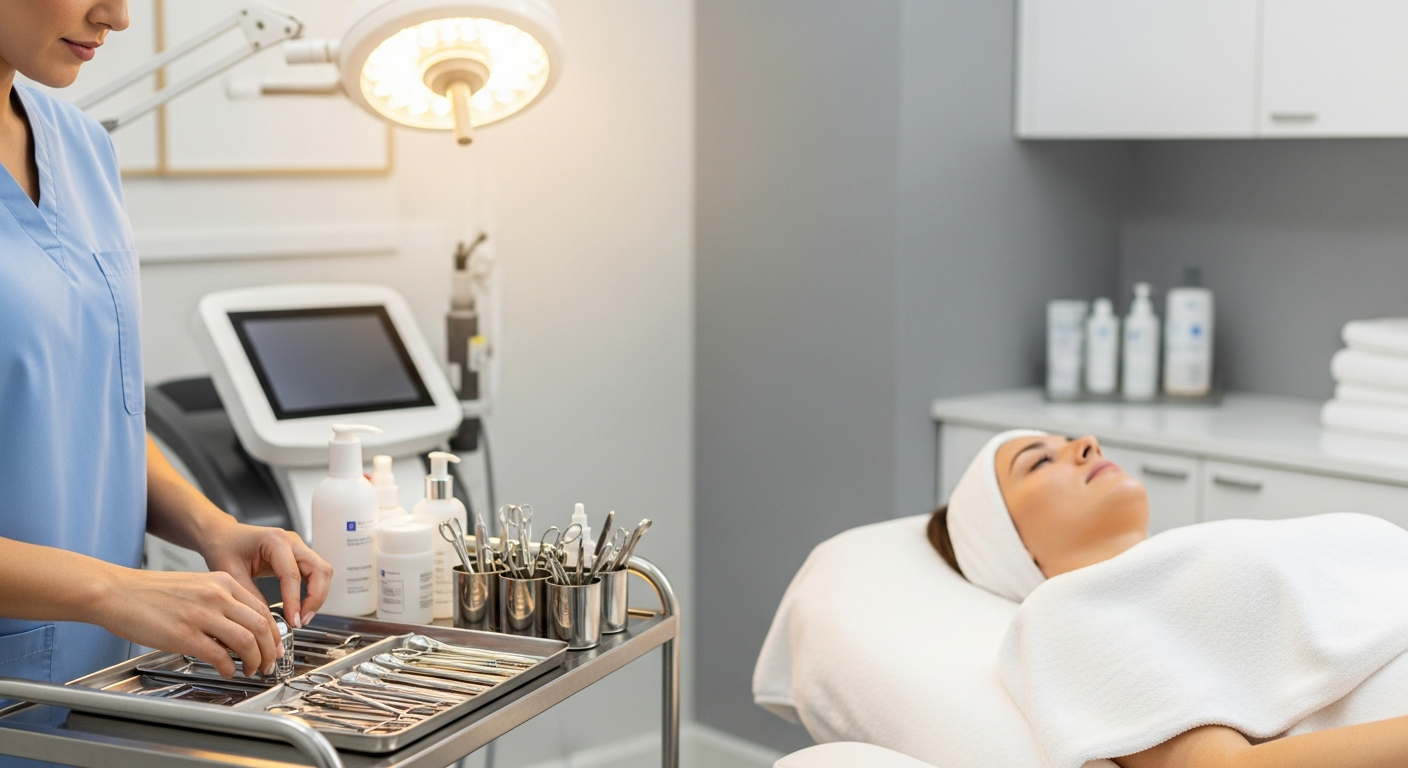
Post-treatment management in med spa settings refers to the standardized clinical protocols used to oversee skin recovery after aesthetic procedures. These systems prioritize controlled healing, inflammation reduction, and complication prevention through uniform aftercare workflows, ensuring consistent patient outcomes across all clinical providers within a medical aesthetic facility.
Standardizing Clinical Recovery Workflows
Effective post-treatment management in med spa environments relies on protocol consistency rather than individual provider judgment. Establishing a fixed recovery system ensures that every patient receives the same level of clinical oversight.
Standardized workflows include immediate cooling phases, barrier protection steps, and scheduled follow-up assessments. These systems help clinical supervisors monitor healing trends and identify deviations from normal recovery early.
By implementing uniform aftercare instructions, med spas reduce the risk of patient error during the vulnerable post-procedure window. This structure supports predictable clinical outcomes and maintains high safety standards.
Managing Post-Laser Erythema and Heat
Post-laser recovery focuses on thermal regulation and the mitigation of prolonged erythema. Clinical protocols often dictate a specific cooling period immediately following the application of laser energy.
Management systems prioritize reducing interstitial heat to prevent secondary thermal injury to the surrounding tissue. Providers must monitor the duration of redness to ensure it aligns with expected clinical timelines.
Standardized protocols for laser aftercare emphasize non-occlusive barrier protection to allow for natural heat dissipation. This prevents the trapping of thermal energy which can lead to post-inflammatory hyperpigmentation.
Microneedling Downtime Management
In a professional med spa, microneedling recovery management centers on rapid barrier restoration and the prevention of exogenous contamination. The focus is on protecting the micro-channels during the initial closure phase.
Clinical protocols restrict the use of active ingredients for a specific duration to prevent granuloma formation or systemic absorption. Standardized workflows ensure patients only apply approved, inert substances during the first 24 hours.
Managing inflammation after microneedling requires a balance between supporting the natural remodeling process and preventing excessive swelling. Providers follow established checklists to verify normal healing milestones.
Chemical Peel Aftercare Systems
Post-treatment management for chemical peels involves monitoring the controlled shedding of the stratum corneum. Protocols are designed to prevent premature desquamation, which can lead to scarring or uneven pigment.
Clinical systems emphasize hydration and sun avoidance as the primary pillars of peel recovery. Providers must educate patients on the physiological stages of peeling to ensure compliance with the no-picking rule.
Standardized assessment tools allow med spa staff to categorize the intensity of the peel response. This data helps in adjusting future treatment parameters for the patient based on their documented recovery rate.
Managing Inflammation and Complication Risks
Proactive inflammation management is essential for minimizing patient downtime and preventing adverse events. Clinical supervisors utilize standardized erythema scales to track the resolution of redness over several days.
Recovery systems include clear triggers for when a provider must escalate a case to the medical director. This ensures that signs of infection or atypical inflammation are addressed within a strictly defined clinical window.
Consistency in post-treatment management in med spa facilities protects the clinical integrity of the practice. It ensures that every procedure concludes with a structured, medically-sound path to full skin recovery.
