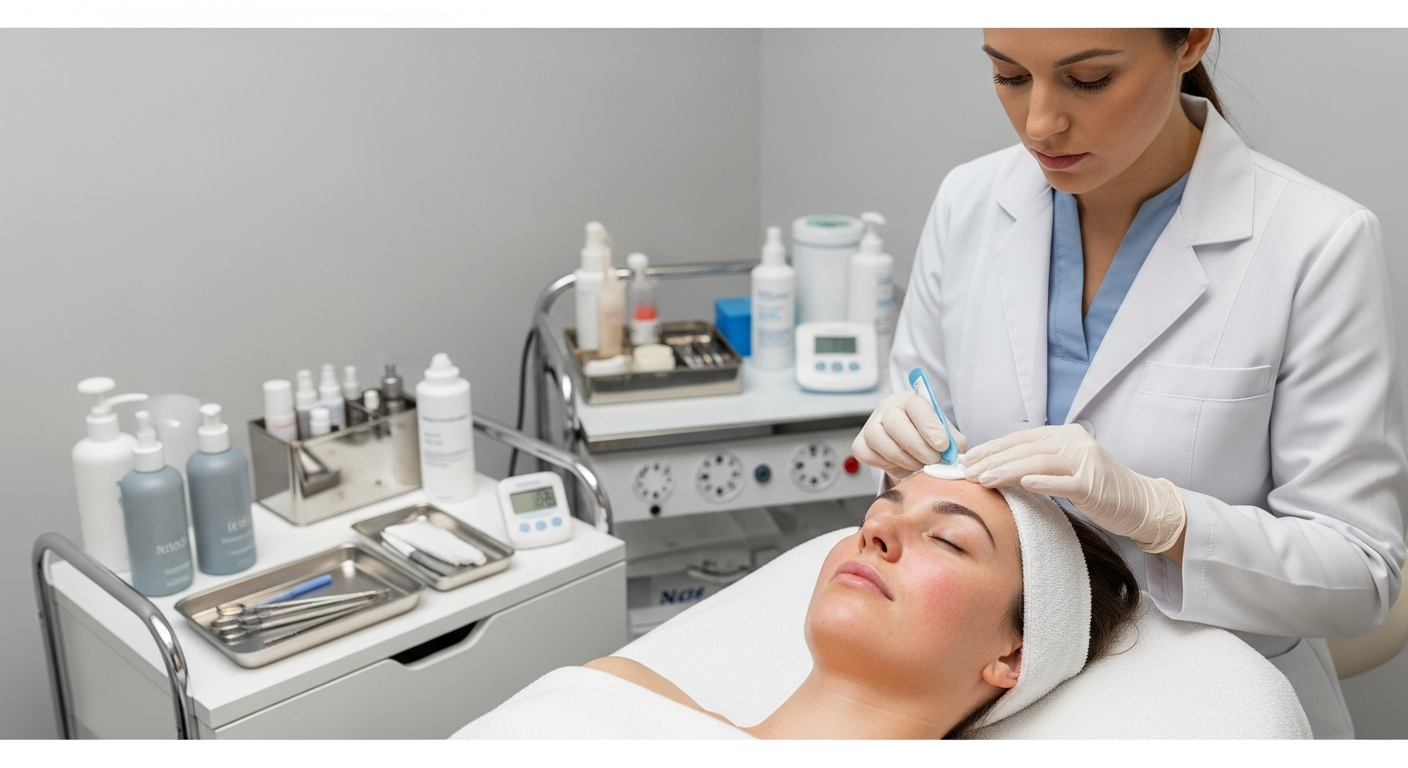
Post-Treatment Management in Med Spa: Clinical Recovery Protocols
Post-treatment management in med spa facilities involves implementing standardized clinical protocols to monitor and support patient recovery following aesthetic procedures. These systems manage common side effects like erythema and inflammation while ensuring consistent outcomes across laser, microneedling, and chemical peel treatments through structured clinical provider workflows.
The Role of Standardized Recovery Workflows
A structured approach to post-treatment management ensures that every patient receives the same level of care regardless of the individual provider. Standardized workflows reduce the risk of adverse events and minimize unexpected downtime.
Med spa clinical supervisors must establish clear guidelines for identifying normal versus abnormal healing responses. This consistency protects the practice and improves the predictability of treatment results across the entire clinical team.
Post-Laser Recovery and Erythema Management
Effective post-treatment management for laser procedures focuses primarily on heat dissipation and inflammation control. Managing immediate post-procedure erythema is critical for patient comfort and preventing prolonged redness.
- Thermal Regulation: Cooling the skin immediately after energy-based treatments to stop the inflammatory cascade.
- Inflammation Control: Monitoring the duration of redness to ensure it aligns with the specific laser modality used.
- Barrier Support: Protecting the compromised epidermis to prevent transepidermal water loss during the initial healing phase.
Microneedling Downtime Management
Microneedling creates controlled micro-injuries that require specific post-treatment management to optimize the healing response. Clinical protocols focus on keeping micro-channels protected while the skin initiates the repair process.
Providers should standardize the timeline for returning to regular activities. This typically involves a 24-to-48-hour window where the skin barrier is most vulnerable to external irritants and environmental factors.
Chemical Peel Aftercare Systems
Post-treatment management for chemical peels revolves around managing the desquamation process. Clinical protocols must account for the depth of the peel and the patient’s specific skin type to avoid post-inflammatory hyperpigmentation.
Standardized systems should include precise instructions on how to handle peeling skin. Patients must be educated to avoid manual exfoliation, which can lead to scarring or uneven pigment distribution during the recovery period.
Managing Inflammation and Edema
Swelling, or edema, is a common biological response to most med spa procedures. Standardized management includes elevation and specific cooling durations to ensure the swelling subsides within the expected clinical timeframe.
Consistent monitoring allows the clinical team to intervene if inflammation persists beyond the standard recovery window. This proactive approach is the hallmark of high-quality clinical management in a professional aesthetic setting.
Implementing Protocol Consistency
Transitioning from individual provider judgment to a standardized system requires clear documentation. Every aesthetic procedure should be paired with a corresponding post-treatment management checklist.
This checklist ensures that all clinical staff provide uniform advice regarding sun avoidance, activity restrictions, and signs of potential complications. Uniformity in communication reduces patient anxiety and streamlines the follow-up process for the med spa.
