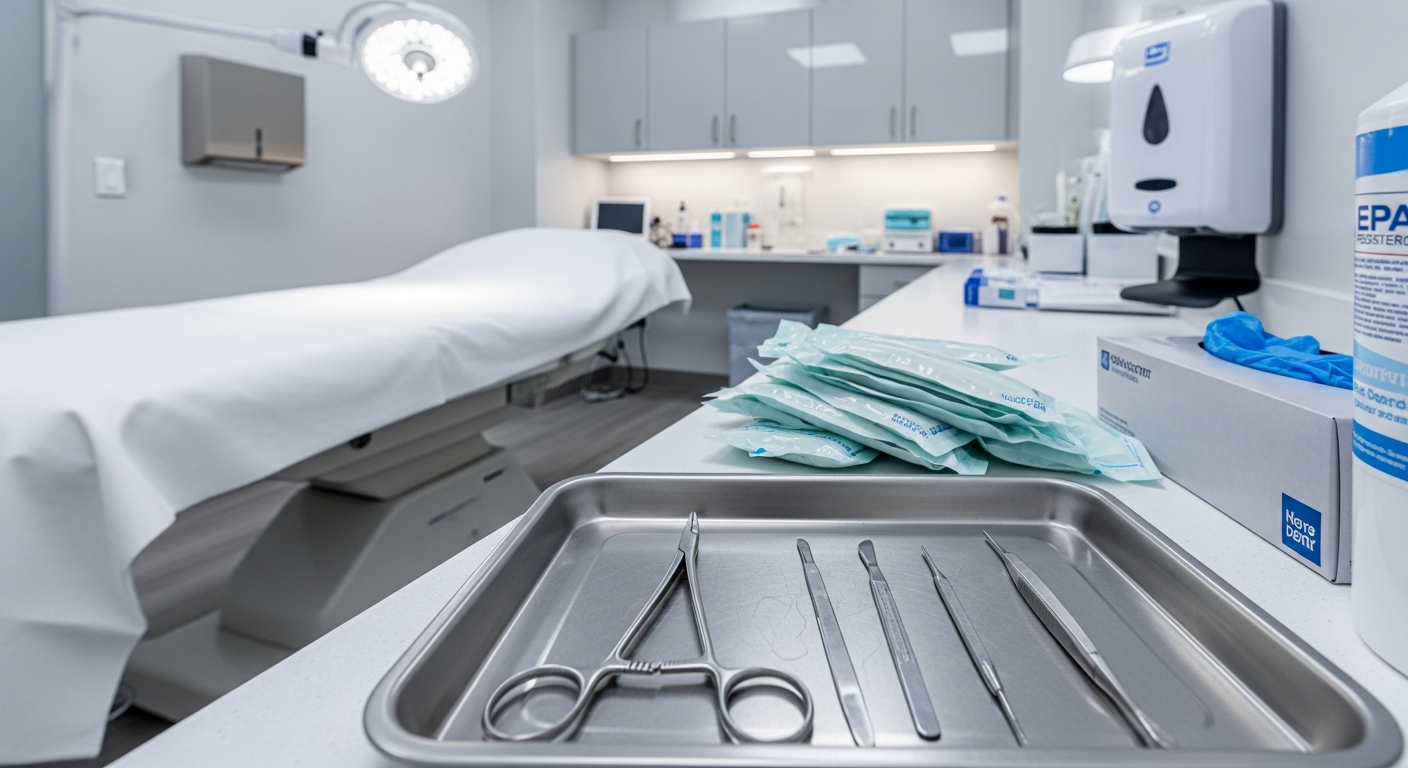
Med Spa Infection Control and Clinical Safety Standards
Med spa infection control is the systematic implementation of hygiene and sanitation protocols designed to prevent the transmission of pathogens during aesthetic procedures. These clinical standards involve rigorous hand hygiene, surface disinfection, and instrument sterilization to maintain a safe environment for both practitioners and clients in U.S. aesthetic facilities.
Core Pillars of Med Spa Infection Control
Effective infection control begins with the consistent application of standard precautions. These practices treat all blood and body fluids as potentially infectious to ensure maximum safety.
Practitioners must prioritize hand hygiene as the primary defense against pathogen transmission. This includes washing with antimicrobial soap or using high-level alcohol-based rubs before and after every client.
Personal Protective Equipment, or PPE, serves as a critical barrier between the clinician and infectious agents. Gloves, masks, and eye protection must be selected based on the specific treatment risk.
OSHA-Aligned Sanitation and Disinfection
Maintaining a sanitary environment requires adhering to OSHA bloodborne pathogen standards. This ensures that the facility remains compliant with federal safety regulations and protects staff health.
Treatment Room Surface Disinfection
All non-porous surfaces in the treatment room must be cleaned and disinfected between every client. This includes procedure tables, countertops, and high-touch equipment handles.
Clinicians should use EPA-registered disinfectants that are effective against a broad spectrum of pathogens. Following the specific contact time listed on the label is essential for total disinfection.
Biohazardous Waste Management
Proper disposal of contaminated materials is a mandatory component of med spa infection control. Sharps containers must be puncture-resistant, leakproof, and located near the point of use.
Soft waste contaminated with blood or body fluids requires disposal in labeled biohazard bags. Consistent removal schedules prevent the accumulation of hazardous materials within the clinical space.
Sterilization Standards for Reusable Instruments
Any instrument that penetrates the skin or contacts mucosal membranes must undergo full sterilization. This process eliminates all forms of microbial life, including resistant bacterial spores.
The Sterilization Cycle
The sterilization process begins with thorough cleaning to remove organic debris. Failure to clean instruments properly can shield microbes from the sterilization agent, compromising the entire cycle.
Steam sterilization is the industry standard for heat-stable instruments used in aesthetic treatments. Autoclaves must be monitored regularly using chemical and biological indicators to verify functional performance.
Sterilized items must remain in sealed pouches until the moment of use. If a package is torn or wet, the instrument is no longer considered sterile and must be reprocessed.
Cross-Contamination Prevention Systems
Cross-contamination occurs when pathogens are transferred from one surface or person to another. Implementing systematic barriers and flow patterns reduces this risk significantly.
Single-Use Item Protocols
Aesthetic facilities should utilize single-use disposables whenever possible to minimize risk. Items such as needles, lancets, and certain applicators must never be reused or reprocessed.
Disposable barriers, such as plastic sleeves or table paper, provide an extra layer of protection. These barriers must be discarded and replaced immediately following the completion of a treatment.
Room Turnover Procedures
Standardized room turnover checklists ensure that no steps are missed during the cleaning process. This systematic approach guarantees that every treatment area meets the same safety criteria.
Staff training on the sequence of cleaning—moving from clean areas to dirty areas—prevents the spread of contaminants. Rigorous oversight ensures these med spa infection control habits become facility culture.
