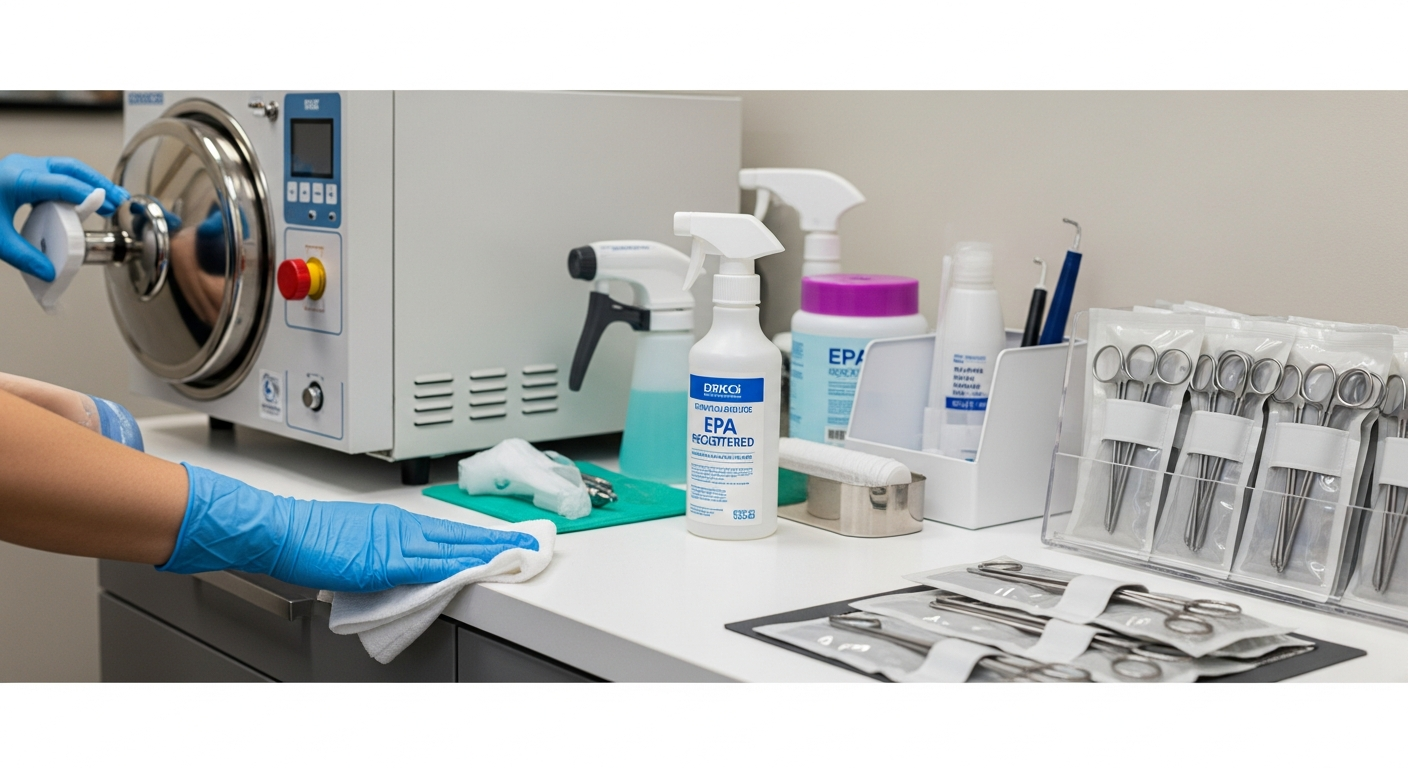
Med Spa Infection Control and Clinical Safety Standards
Med spa infection control refers to the systematic implementation of sanitation, disinfection, and sterilization protocols designed to prevent pathogen transmission during aesthetic treatments. These practices align with OSHA standards to protect both clients and practitioners by maintaining a sterile clinical environment through rigorous surface decontamination, proper hand hygiene, and the use of personal protective equipment.
Regulatory Compliance and OSHA Alignment
Every med spa must adhere to the OSHA Bloodborne Pathogens Standard to mitigate the risk of exposure to infectious materials.
This includes maintaining an updated Exposure Control Plan that outlines specific steps for handling sharps and biohazardous waste.
Clinical supervisors must ensure all staff members receive annual safety training and have access to necessary vaccinations and protective gear.
Multi-Step Room Disinfection Systems
Effective infection control requires a tiered approach to cleaning treatment rooms between every scheduled client session.
High-touch surfaces, including treatment tables, stools, and countertops, must be cleaned with EPA-registered disinfectants to eliminate surface pathogens.
A systematic workflow ensures that no surface is overlooked, starting from the furthest point of the room toward the exit.
Cross-Contamination Prevention Strategies
Preventing cross-contamination involves strict adherence to “clean” and “dirty” zone designations within the treatment environment.
Practitioners must use single-use disposables whenever possible and change gloves immediately if they become compromised during a procedure.
Hand hygiene stations must be readily accessible, requiring thorough washing or sanitizing before and after every patient contact.
Sterilization Standards for Reusable Tools
Any equipment that penetrates the skin or contacts mucosal membranes must undergo a validated sterilization process.
The use of medical-grade autoclaves is the standard for ensuring that all microbial life, including resistant spores, is completely eradicated.
Sterilization logs must be maintained daily to document cycle parameters, pressure, and successful chemical indicator changes.
Safe Handling of Clinical Sharps
The disposal of needles and blades is a critical component of med spa infection control and workplace safety.
Puncture-resistant sharps containers must be placed at the point of use to prevent accidental needlestick injuries during transport.
Containers should be replaced when they reach the designated fill line to ensure safe closure and disposal per local regulations.
Workforce Hygiene and Personal Protective Equipment
Clinical staff must wear appropriate personal protective equipment (PPE) based on the specific risks of the aesthetic treatment performed.
This typically includes fluid-resistant masks, eye protection, and clinical gowns to create a barrier against splashes or sprays.
Standardizing PPE protocols ensures a consistent safety culture that prioritizes the health of both the provider and the client.
